
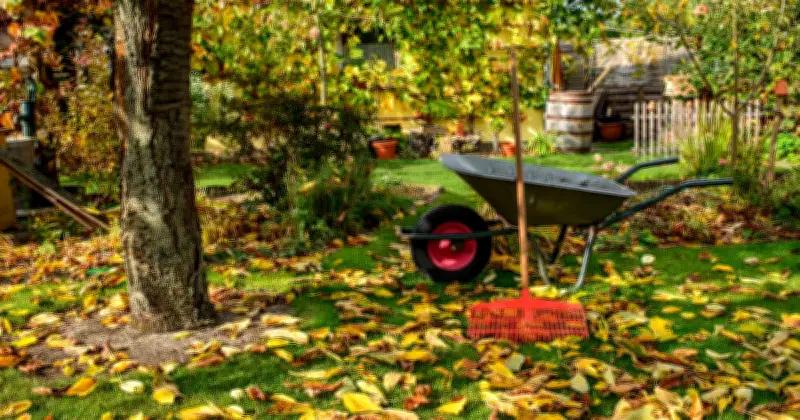
Gardeners can ensure their lawns emerge thick and lush next spring by completing three simple tasks this October, according to chartered horticulturist David Domoney, best known for presenting Love Your Garden.
Autumn is the ideal time to get ahead of lawn maintenance before grass becomes dormant in winter. After summer's intense heat, lawns are often parched, and supporting the grass now is vital. Spending just 10 minutes on autumn lawn care helps lawns enter dormancy in good condition and improves soil health, promoting denser growth in spring.
Clear away fallen leaves
While autumn's colourful foliage is beautiful, fallen leaves must be collected from lawns because they block sunlight from reaching the grass. Grass needs sunlight to store energy through winter; without adequate light, it deteriorates and may die back. Leaves also trap moisture underneath, creating damp conditions that encourage mould, pests like slugs, and fungal diseases.
Domoney said: "Fallen leaves can suffocate your lawn, damaging the health of the grass. To reduce the risk of diseases and keep moss at bay make sure to collect up any leaves on a regular basis."
Fertilise in October
October is the ideal month to fertilise lawns, as it strengthens roots while grass prepares for dormancy, boosting nutrient and water storage to preserve energy. This stored energy helps lawns withstand freezing temperatures and recover quickly when warmer weather returns in spring. Fertilising now also makes grass stronger and better able to compete with weeds that may germinate over winter, meaning less to deal with in spring.
Domoney advised: "Apply an organic fertiliser to toughen the roots for the coming cold months. Select one specifically designed for autumn as these have been formulated with all the nutrients your greenery needs to keep its strength up. For a dry lawn, opt for a liquid feed which you can pick up from your local garden centre."
Give the lawn a final mow
Fungal diseases, mould and moss can spread quickly on lawns in autumn's damp conditions. A final mow before winter improves air circulation, preventing these problems from taking hold. However, grass should never be cut once the first frost arrives in late October to early November, though the exact timing varies by location.
After the final cut, it is wise to maintain gardening tools so they are ready for spring. Domoney said: "Grass may be slow to grow this time of year, so it's best to raise your mowing height. This gives the grass the opportunity to recover from summer use and retain water. Now's a good time to give your mower a full clean as the growing season ends. You can do this with your garden hose, rinsing off grime and debris."




