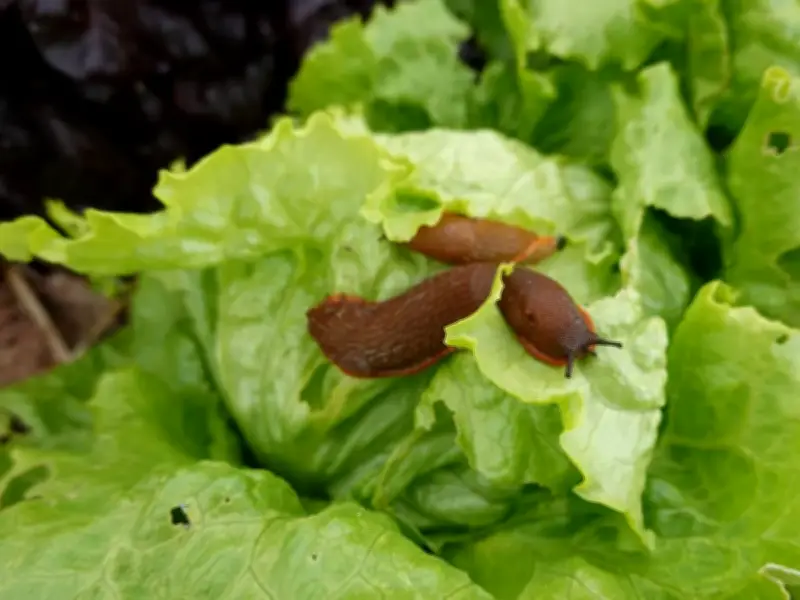
Slugs can be one of the most irritating garden nuisances, especially when you're trying to grow fruits and vegetables. They thrive in cool, moist conditions and are particularly active after rainfall, when the soil and nearby plants give them the moisture they need to move easily. This can make wet periods especially worrying for gardeners.
Instead of turning to chemical slug killers, several affordable household items can make the garden less attractive to slugs. Three natural deterrents are relied on annually, though one has proven more effective than the others, particularly for protecting fruit after rain.
1. Coffee grounds
Coffee grounds were the very first deterrent tried, as they also offer various benefits for the garden. The approach involves scattering used coffee grounds around plants you wish to protect, forming a barrier between the plant and the surrounding soil.

Coffee grounds are often suggested as a slug deterrent due to their texture and caffeine content, though their success can vary depending on how they are applied. A layer of used, cooled coffee grounds can be distributed around the base of vulnerable plants, ensuring not to apply it too heavily. They work best as part of a broader strategy rather than something to rely on alone.
2. Garlic spray
Rather than creating a physical barrier, garlic is used to make plants less attractive to slugs. The pungent compounds in garlic act as a deterrent.
A straightforward garlic spray can be made by crushing garlic cloves, letting them infuse in water, and filtering the liquid before transferring it to a spray bottle. The spray is then distributed around the plants and onto suitable plant surfaces, taking care not to spray any leaves or blooms. The main benefit is that it's simple to use, while establishing a physical barrier can be challenging, and it's also easier to reapply after rain.
However, the odour can be off-putting, and the garden may begin to smell exclusively of garlic. So this method is generally reserved for when there are surplus garlic cloves.
3. Eggshells
Eggshells are an undeniable winner for safeguarding fruit, and the technique is remarkably straightforward. After using eggs, the shells are rinsed, left to dry and slightly crushed into small, jagged fragments. These are distributed around the plants to be protected, forming a coarse layer across the soil surface.
Using plenty of eggs helps to prevent waste and creates a texture that slugs find off-putting. Eggshells proved especially useful during rainfall, when slugs were active in the garden.