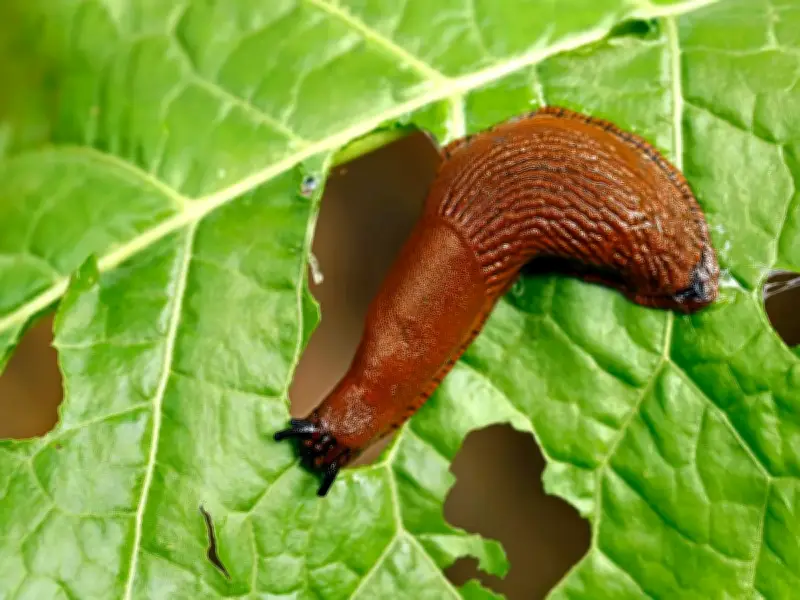
Slugs are among the most troublesome garden pests, especially for those growing fruits and vegetables. They thrive in cool, moist conditions and become particularly active after rainfall, when damp soil and foliage make it easy for them to move around. Wet weather can therefore be a worrying time for gardeners.
Instead of using chemical slug treatments, affordable household items can make a garden less attractive to these pests. One gardener relies on three natural methods each year, though one has proved far more reliable than the others, particularly for protecting fruit crops after wet weather.
Coffee grounds as a barrier
Coffee grounds were the first method tried. The approach involves scattering spent coffee grounds around plants that need protection, creating a barrier between the plant and the soil beneath it. Coffee grounds are often suggested as a slug repellent because of their texture and caffeine content, though their effectiveness can depend on how they are applied.

The gardener distributes a layer of used, cooled coffee grounds around the base of vulnerable plants, making sure the layer is not too thick. They work best when used as part of a wider strategy rather than on their own.
Garlic spray to repel slugs
Garlic works differently, making plants less attractive to slugs rather than creating a physical obstacle. The pungent compounds in garlic act as a repellent. The spray is made by crushing garlic cloves, steeping them in water, straining the liquid, and transferring it to a spray bottle.
It is applied around the base of plants and on suitable plant surfaces, avoiding foliage and flowers. The main advantage is ease of application, but forming a physical barrier is difficult, and it needs reapplying after rain. The gardener was not keen on the smell, which made the garden smell entirely of garlic, so this method is now only used when there are surplus garlic cloves available.
Eggshells prove most effective
Eggshells have been highly effective for protecting fruit, and the technique is simple. After using eggs, the shells are rinsed, dried, and gently crushed into small, jagged fragments. These are spread around plants needing protection, forming a coarse layer over the soil surface. As plenty of eggs are used, this approach also reduces waste while creating a textured surface that slugs find off-putting.
The gardener found eggshells especially useful during a week of rainfall, when slugs were particularly active throughout the garden.