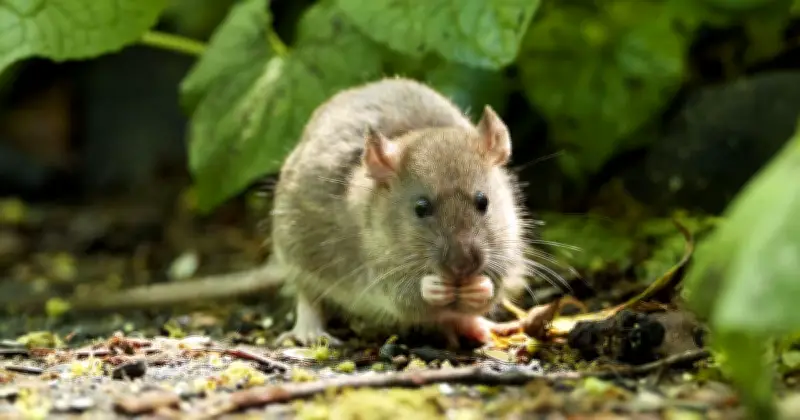
Pest control experts are warning that the UK could face its worst summer for rat invasions on record as a heatwave drives rodents indoors to escape extreme temperatures. With temperatures soaring to 39°C and a red heat health alert in place, homeowners are being urged to take immediate action to protect their properties.
Why Heatwaves Trigger Rat Invasions
Good Housekeeping has warned that while rodents are typically associated with winter, heatwaves can cause a surge in infestations. The pests seek shelter from the sun, search for water, and forage for food, especially with increased outdoor dining and overflowing bins. Open windows and doors provide easy access. A veteran pest controller with 30 years of experience noted: “I have never had more calls about rats – and it’s getting worse.” Nearly half of all pest-related call-outs now involve rodent intrusions, with some rats reportedly the size of a small cat or dog.
The Garlic Solution: A 22p Deterrent
One of the most effective and affordable natural deterrents is garlic. A single garlic clove costs just 22p (based on a 4-pack at Tesco for 87p). Rats have an extraordinary sense of smell, and the pungent aroma of garlic can irritate their sensitive noses, discouraging them from entering. Simply scatter crushed garlic cloves or garlic powder around entry points to your home. Other natural options include cayenne pepper, peppermint oil, or cinnamon oil, though these are temporary solutions.

Exclusion: The First Line of Defence
Physical barriers are crucial. Fit windows and doors with mesh screens, but regularly check for holes as rodents can chew through metal. Block exterior holes with coarse wire mesh and secure food and wheelie bins with tight-fitting lids. Store bins away from your house walls to minimise attraction. Trim tree branches and climbing plants at least 5-6 feet from rooflines and windows to remove access routes.
Natural Predators and Community Action
Encouraging natural predators like cats, owls, or certain dog breeds (e.g., Jack Russell terriers) can help control rodent populations. Installing owl boxes in your garden may invite these hunters. Alternatively, decoy predator scents are available online. Planting rodent-repelling plants such as mint, lavender, or marigolds around your garden perimeter creates a natural barrier. Coordinating with neighbours to tidy communal areas and secure bins can reduce the risk of migration between properties.
Rapid Reproduction: Why Quick Action Matters
A female rat can produce up to six litters per year, each with up to 12 pups. Rats reach sexual maturity in about a month, meaning two rats can multiply to 1,250 in just one year. Last year, Rentokil reported a 30% jump in rat numbers, equating to 33.75 million additional rats. Pest controllers warn against using poison, as it endangers wildlife and pets and offers no long-term solution if rats access via sewers.
Additional Tips for a Rodent-Free Home
Wipe down surfaces with vinegar to eliminate food scents. Ensure all indoor and outdoor bins have tightly sealed lids; replace damaged bins promptly. Heat speeds up decomposition, attracting rodents through stronger odours. By combining exclusion, natural deterrents, and community efforts, homeowners can significantly reduce the risk of a rat invasion this summer.