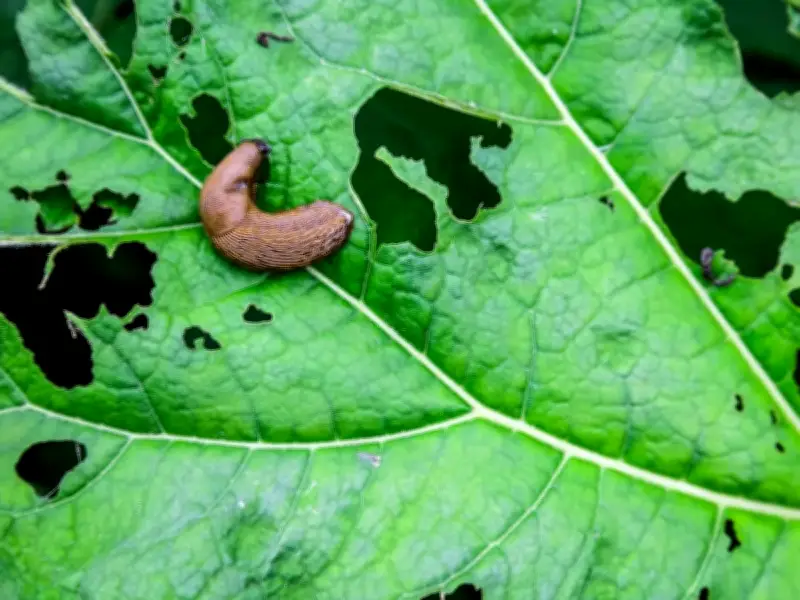
Gardeners can make a natural slug repellent using a 22p garlic bulb, a kitchen staple that research has shown to be one of the most potent natural molluscicides. Slugs cause an estimated £8 million worth of plant damage to UK gardens each year, according to Greenhouse Stores.
These gastropods are active throughout the year and favour cool, dark, and moist environments, often burrowing into soil. They are most active at night and can destroy seedlings virtually overnight. Telltale signs of their presence include irregular holes in flowers, leaves, stems, bulbs, potatoes, and tubers, along with a silvery slime trail.
Garlic as a proven natural deterrent
Peer-reviewed research published in the Crop Protection journal by scientists at the University of Newcastle upon Tyne found that garlic ranked among the most potent natural molluscicides, with the kitchen staple even capable of destroying slug eggs within the soil. The compound responsible is allicin, which forms only when a clove of garlic is crushed, chopped, or chewed. Garlic is deeply repellent to slugs, and sufficiently strong concentrations can even prove fatal to these pests.

Garlic is also cost-effective, with a four-pack priced at just 87p in major UK supermarkets such as Tesco and Sainsbury's, working out at approximately 22p per bulb. Unlike chemical treatments, it poses no harm to humans, pets, birds, or other garden wildlife.
Method 1: Boiled garlic spray
To make a basic garlic spray or drench, gardeners need two whole garlic bulbs and two litres of water. According to Sprouts of Bristol, the most effective way to deter slugs is through regular application of a garlic spray on your plants. The specialists explain: "A weekly application, plus an extra round after heavy rain, is key. It's easy to make and safe for your plants."
Add the garlic bulbs and water to a saucepan and boil for approximately 15 minutes until the garlic becomes soft. Mash the garlic to release the allicin, then strain out the garlic skins, leaving a cloudy liquid concentrate. Allow the liquid to cool before pouring it into a bottle. When ready, dilute two tablespoons of the concentrate in five litres of water in a spray bottle or watering can and apply to plants and foliage weekly. Keep the concentrate in the fridge or a cool, dry location for future use.
Sprouts of Bristol suggest thoroughly coating both the foliage and the soil around your plants, and advise applying this garlic treatment once a week from February through to October. It is essential to reapply the spray, particularly following heavy rainfall, to preserve its potency.
Method 2: Cold water extraction
Specialists at Chimney Sheep note an important distinction regarding the process, saying: "Allicin is destroyed by heat. It starts degrading above about 60°C and by the time you've had a good boil on, it's pretty much gone. If you want a really potent brew, the secret is to make a cold water extraction instead. The cold water method keeps the allicin intact, which means the slugs sit up and pay attention to it. Simple, but important."
To produce a cold water garlic spray, take two whole bulbs of garlic, peel the cloves, and place them into a blender or food processor along with 200ml of cold water. A garlic press works equally well — simply crush each clove individually and stir it into the water. Strain the mixture through a fine sieve or muslin cloth directly into a jar, ensuring all solid remnants are removed, as these will clog your spray bottle or block the rose on your watering can.
For severe infestations, the Chimney Sheep experts suggest applying the solution undiluted to the affected areas. Alternatively, weaken the concentrate by combining roughly two tablespoons with a full five litre watering can to cover a broader area. As with the boiled method, keep the cold garlic concentrate refrigerated or in a cool, dry location, and prepare a fresh batch at the start of every growing season.