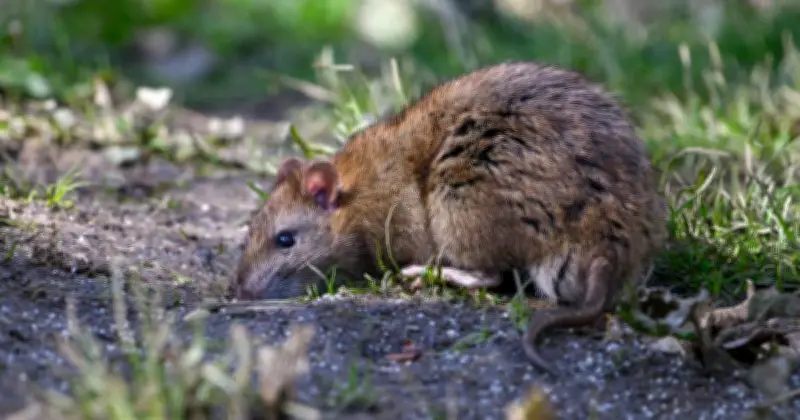
As temperatures rise across the UK, experts are warning that summer is one of the busiest times of year for rat activity. The warmer months provide ideal breeding conditions for the rodents, which are drawn to gardens by easy access to food, water and shelter. Compost heaps, sheds, greenhouses and spaces beneath decking can all become attractive hiding places for rats looking to establish a home.
While professional pest control may be needed for serious infestations, gardening experts say there are several simple steps homeowners can take to make their outdoor spaces less appealing to rodents. One of the cheapest solutions could cost as little as £1.47.
Peppermint Oil as a Natural Deterrent
According to gardening experts at Gardeners' World, peppermint oil is one of the natural scents that rats strongly dislike due to their highly sensitive sense of smell. By mixing peppermint oil with water and spraying it around vulnerable areas of the garden, homeowners may be able to discourage rats from venturing near crops, flower beds and other outdoor spaces.

The experts recommend applying the spray around plants and garden borders and reapplying it twice a week to maintain its effectiveness. Peppermint essential oil is widely available from supermarkets, discount retailers and online stores, often costing less than £2 for a small bottle.
Additional Natural Repellents
Gardeners' World also recommends planting catnip around the edges of gardens, as rats are thought to dislike its scent. However, experts stress that scent deterrents work best when combined with good garden maintenance.
Importance of Garden Maintenance
Rats are opportunistic animals and will often settle wherever food and shelter are readily available. Fallen fruit, bird food, overflowing compost bins and cluttered storage areas can all attract unwanted visitors. Keeping lawns trimmed, removing rubbish regularly and cutting back overgrown vegetation can help reduce the number of places where rats can hide.
Another little-known tip is to regularly move objects around the garden. Experts say rats are naturally cautious of unfamiliar changes to their environment, a trait known as neophobia. Rearranging pots, garden furniture and other items can disrupt established routes and make an area feel less secure to rodents.
Health Risks and Final Advice
Rats can carry a number of diseases, including leptospirosis, which can lead to Weil's disease in humans. Although serious illness remains uncommon, health experts advise avoiding contact with rat urine and droppings wherever possible.
For homeowners looking to keep rodents at bay this summer, a combination of strong-smelling natural deterrents and regular garden maintenance could help make gardens a far less attractive destination for unwanted pests.