
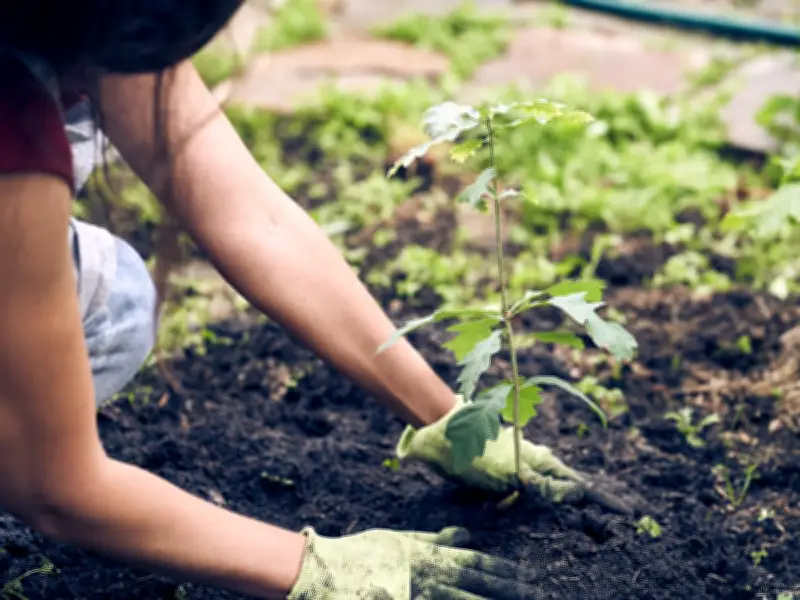
Horticulturalist Louise Curley has revealed 11 plants she considers among the most versatile, able to withstand both hot and wet conditions in UK gardens. From trees and shrubs to perennials, she identified these plants as particularly excelling in her garden.
Why these plants stand out
Writing in The Times, she explained: "Sometimes there's no obvious explanation why some plants do well and others don't. In my own garden it's mainly the perennials that like summer moisture, such as Astrantia, Astilbe, Actaea and Bistorta, that unsurprisingly don't look happy, but Lythrum Salicaria 'Blush' (purple loosestrife), a classic moisture-lover, is green and in full bloom."
"The coming years will be about acceptance that our gardens are changing and also a lot of trial and error," she added.
Her recommendations include Foeniculum vulgare, Hydrangea 'Limelight', Stachys byzantina, Pinus mugo 'Mops', Verbena bonariensis, Asplenium scolopendrium, Hylotelephium 'Matrona', Trachelospermum jasminoides, Acer campestre, Nepeta 'Walker's Low' and Arbutus unedo.
Versatile options for unpredictable weather
These plants are regarded as versatile options for gardens facing increasingly unpredictable weather, with many capable of enduring periods of both wet and dry conditions. However, their resilience differs depending on the individual plant, soil type, drainage and the duration of the conditions.
While some are notably drought-resistant but struggle in waterlogged soil, others thrive in consistently damp conditions and may require additional watering during prolonged dry spells. Three plants from the list are said to be especially versatile, with Louise sharing why she recommends them.
Acer campestre
Acer campestre, more commonly referred to as field maple, is a highly practical small to medium-sized tree native to England. Describing it as one of the finest native trees for autumn colour, Louise also commended it for being "robust".
"[It is] an adaptable, robust tree that can tolerate a wide variety of conditions and soil types," she wrote. "Its spring flowers are a welcome source of food for insects and autumn brings an attractive display of golden leaves."
She further noted that it can grow to a height of 12 metres, though the dwarf cultivar 'Nanum', which reaches approximately 3-7 metres, is a more appropriate option for smaller gardens.
Verbena bonariensis
Alan Titchmarsh loves Verbena bonariensis and claims it "will flower its socks off" in the summer. Louise writes: "This rightly popular perennial has slender stems that give the plant a transparent quality so that the small pom-pom-like clusters of zingy magenta flowers appear to float among grasses and other perennials. It blooms from June to November and the seeds provide food for birds."
Foeniculum vulgare (fennel)
Renowned for its hardy and drought-tolerant nature, fennel is equally unfussy about soil type, provided it is not permanently waterlogged. Louise describes fennel as "a stalwart plant" in her garden, one that produces "a diaphanous haze of feathery green foliage and branching stems around 1.5 metres tall that are topped with bright yellow umbels, which are attractive to insects".
She recommends leaving "the stems standing for winter structure and seeds that will feed flocks of finches". Fennel, she notes, "self-seeds", so she suggests removing any unwanted plants at an early stage, before the deep taproot has a chance to establish itself.
Other gardening tips for August
Elsewhere, gardener Diarmuid Gavin has outlined the tasks worth prioritising while the warmer weather holds. He suggests August is "a good time" to sow fast-growing salad leaves and radishes. It also presents an ideal opportunity to expand your strawberry patch by propagating the long runners the plants produce at this time of year.
"Peg them down into the soil and they should be ready to separate from the parent plant in six weeks," he told the Sunday People.




