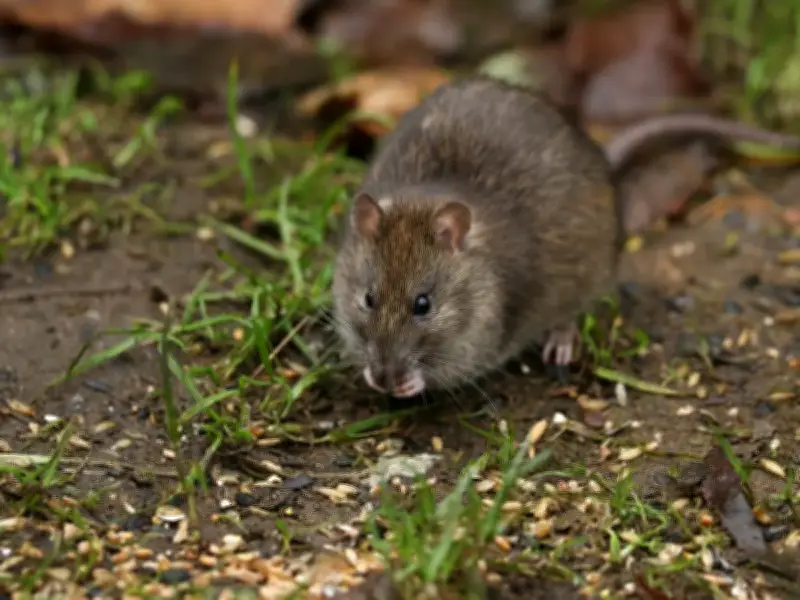
As temperatures climb across Britain, rats become notably active during the summer months, with numbers increasing sharply between March and October, their primary breeding season. These rodents bring disease, filth, destruction and chaos to homes, garages and cellars.
Householders can deal with infestations using a straightforward and affordable natural repellent that costs next to nothing.
The £1 natural solution to deter rats
Chilli or cayenne pepper has proven particularly effective against rats. A jar of cayenne pepper is available for just £1 at Asda, making it one of the most budget-friendly rat deterrents on the market.

According to Native Pest Management: "The intense spiciness of cayenne pepper is not just for cooking; it can also discourage rats by irritating their sensitive noses."
Rats find strong smells unpleasant because their highly sensitive noses are severely aggravated by powerful scents. Common kitchen staples such as cayenne pepper powder, chilli pepper flakes, or concentrated chilli oil can cause significant irritation to rats' respiratory systems when inhaled, prompting them to avoid areas carrying an intense chilli aroma.
DIY recipe for powerful rat deterrent
To make the ultimate rat deterrent, combine one tablespoon of cayenne pepper powder or chilli flakes, one quart of water and a small drop of washing-up liquid. Begin by combining the chilli flakes or cayenne pepper with water in a saucepan and bring the mixture to the boil. Allow the solution to cool completely. The longer the cooling period, the more potent the solution becomes.
Add a drop of washing-up liquid and carefully pour the solution into a spray bottle. Spray the solution onto areas where rats have been seen or where an infestation might potentially develop.
Extreme care must be taken when working with chilli. If you have young children or pets in your home, make sure they are kept well clear of any chilli-treated areas, as it can cause significant irritation and discomfort.
An alternative method involves taking cayenne pepper or raw chilli flakes and carefully spreading them around possible rat-entry points across your property, particularly in gaps around pipes, drains, roof openings, windows or doors, and damaged air bricks. For chilli oil, combine it directly with water in a spray bottle and apply the solution in and around areas where rats and mice have been observed.
It is essential to reapply the mixture after heavy rainfall or excessive dampness, and always take the appropriate precautions when handling chilli products, particularly around children and pets.