
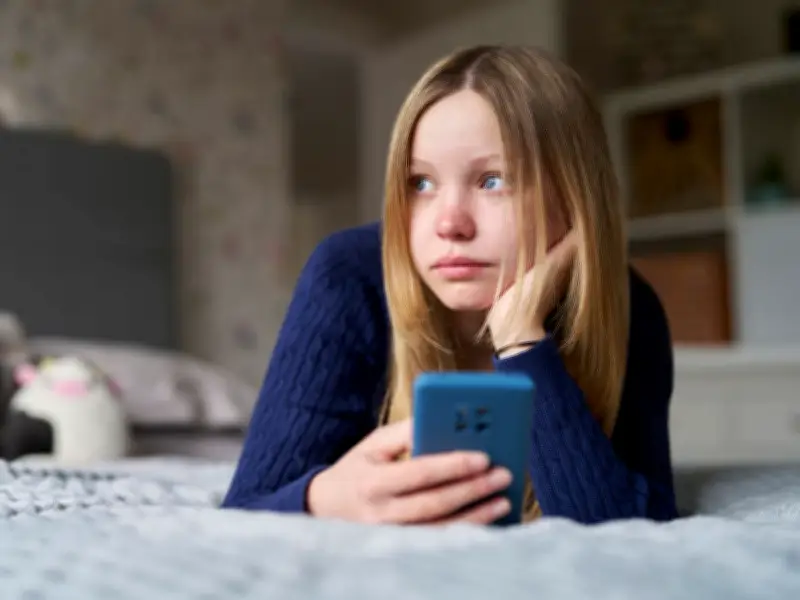
The UK government has announced plans to introduce a social media curfew for teenagers aged 16 and 17, blocking them from accessing platforms between midnight and 6am by default. Technology Secretary Liz Kendall unveiled the measures on Wednesday, which also include turning off addictive features such as auto-scrolling and algorithmic feeds.
Government's Commitment to Online Safety
Online Safety Minister Kanishka Narayan stated that the plans make Britain "firmly on the side of" parents and families, adding: "The big thing I’d say is this is part of an overall package that means Britain is now the safest place for young people in their experiences online." The announcement follows a previous ban on social media for under-16s introduced by former Prime Minister Sir Keir Starmer last month.
Effectiveness and Teenager Compliance
Addressing critics who question the effectiveness of curfews that teenagers can disable, Narayan noted that government trials suggest 90% of teens would not turn off the restrictions. A pilot involving over 300 teenagers and parents across the UK reported that overnight curfews helped improve sleep and concentration. Narayan argued the voluntary nature empowers teenagers and avoids a "cliff edge" after turning 16, saying: "The evidence base is clear, the motivation is very clear and I wouldn’t do the disservice to teenagers of saying they’re all going to switch it off."
Additional Measures for AI and Education
The proposals also require under-18s to take regular breaks while using chatbots and crack down on AI services providing "dangerous, misleading or unverified mental health advice." Ministers are considering banning chatbots that pose a serious threat to children, according to the Department for Science, Innovation and Technology (Dsit). New guidance on safe AI use for children, parents, and guardians will be published, and media literacy teaching in schools will be strengthened from September.
Reactions from Officials and Opposition
Children’s Commissioner for England, Dame Rachel de Souza, welcomed the announcements as "a positive step" that responds to young people’s demand for more protection online. She said: "Young people tell me they try to cut down social media use but find it hard - so restrictions on infinite-scrolling are welcome. I want to know more about how the policies, such as a curfew, will be delivered and will be watching closely to make sure they are effective - alongside pushing Ofcom to make full use of its powers to make the online world safer for children."
The Conservatives criticized the plans as a "dog’s dinner," with Shadow Education Secretary Laura Trott calling for a focus on banning social media for under-16s. She said: "Either they think 16 and 17-year-olds should be on social media or they don’t, but curfews they can simply switch off won’t achieve anything. Giving 16-year-olds the vote while putting them under a social media curfew makes no sense. They’re also rolling out AI tutors in schools for the most disadvantaged while announcing more lessons on dealing with dangers of AI chatbots."
Ofcom's Role and Age Verification Progress
Communications watchdog Ofcom stated that age checks are helping to make online experiences safer for UK children but added that the "job (was) not done," calling on the tech industry to strengthen protections. A new report by Ofcom found that the proportion of children being asked to prove their age who encountered highly effective age checks increased from 25% to 43% between July 2025 and January 2026. All of the UK’s top 10 and the majority of the top 100 porn sites now have age checks in place.




