
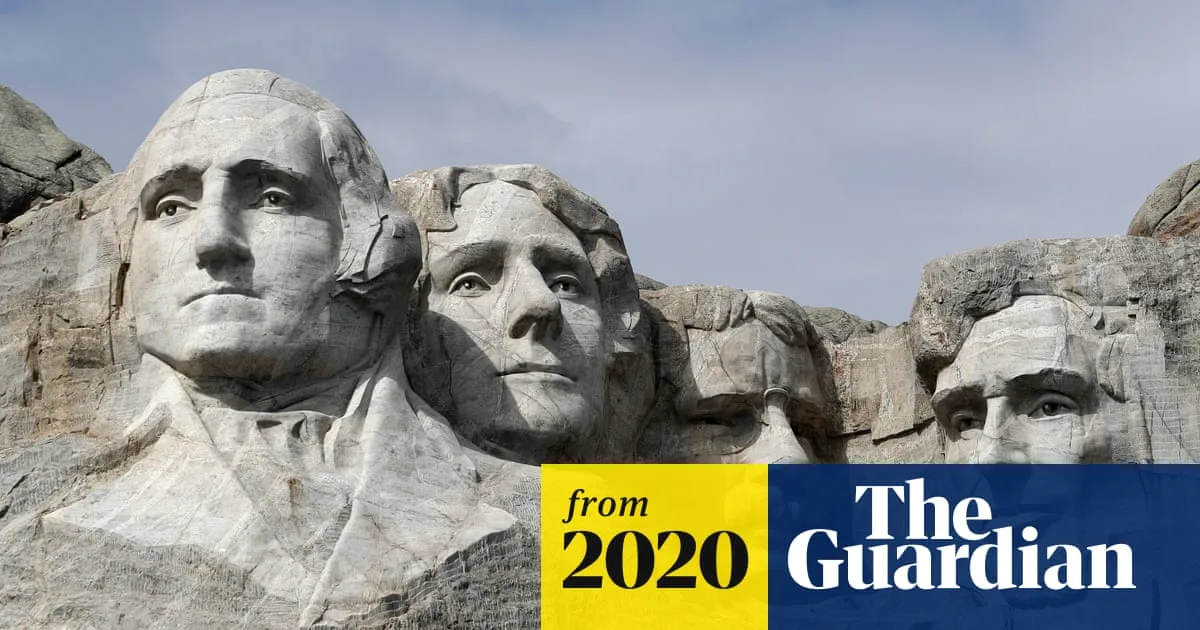
Donald Trump's plan to celebrate Independence Day with a fireworks display at Mount Rushmore has sparked outrage among Native American groups, who view the monument as a symbol of white supremacy and the desecration of sacred land. Activists are organising protests for Trump's visit on 3 July, which is part of his 'comeback' campaign amid the pandemic and social unrest.
The event will feature fighter jets and the first fireworks at the site since 2009, but critics argue it is insensitive given the national reckoning over racism. Nick Tilsen, a member of the Oglala Lakota tribe and president of NDN Collective, said: 'Mount Rushmore is a symbol of white supremacy, of structural racism that’s still alive and well in society today.' He called for the monument's removal and the return of the Black Hills to the Lakota people.
Trump has long admired Mount Rushmore, once joking about having his face added to the monument. South Dakota Governor Kristi Noem, a Republican, pushed for the fireworks return, and Trump committed to attending. The monument features the faces of George Washington, Thomas Jefferson, Theodore Roosevelt and Abraham Lincoln, chosen for their roles in American expansion and development.
For the Lakota, Cheyenne, and other tribes, the Black Hills are sacred, known as Paha Sapa. The monument is seen as a desecration, and the presidents depicted are criticised for their actions: Washington and Jefferson owned slaves; Lincoln approved the execution of 38 Dakota men; and Roosevelt made derogatory remarks about Native Americans.
Environmental and health concerns have also been raised. Fireworks could spark wildfires in the drought-prone area, and large gatherings risk spreading coronavirus. A wildfire broke out nearby in Custer State Park on Wednesday, burning six miles from the monument. The National Park Service halted pyrotechnics in 2010 due to fire risks.




