
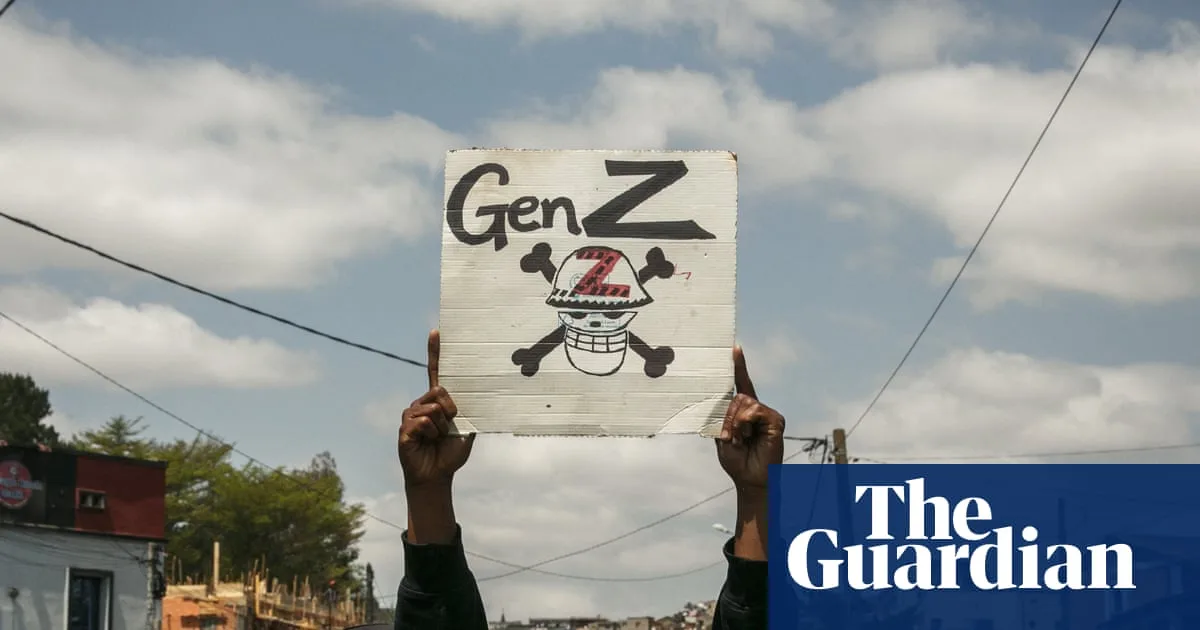
Mass protests driven by Gen Z activists toppled governments in Nepal and Madagascar in 2025, part of a wave of youth-led demonstrations across Asia and Africa. Activists from five countries told the Guardian that corruption, unemployment, and poor public services were the key grievances, with many inspired by the 2024 revolution in Bangladesh.
In Nepal, protests in September forced the government's collapse amid anger over corruption, nepotism, and the banning of social media apps. Pradip Gyawali, a 25-year-old political consultant, said many young people struggle to find jobs and are forced to go abroad for education or work. “A lot of us are from other parts of Nepal, not from Kathmandu, where there are no opportunities,” he said.
The following month, Madagascar's government fell after similar Gen Z-led protests. Shely Andriamihaja, a 26-year-old transparency campaigner, said corruption in universities and poor infrastructure drove young people to act. “The youth are the first victims of corruption,” she said.
In Kenya, protests reignited in June 2025 after a blogger died in custody, building on a 2024 uprising over tax rises. Hanifa Adan Safia, 29, who was arrested in 2024, said corruption directly steals from hospitals, schools, and food security. “Young people are angry because they see billions being looted while graduates sell sweets on the streets,” she said.
In Togo, protests began in June after the arrest of a rapper who denounced corruption. Bertin Bandiangou, a 25-year-old student, was among dozens arrested and tortured. He said unemployment is the main problem, with graduates unable to find jobs that pay rent. In Morocco, protests spread from Agadir to Marrakech in October after several pregnant women died during C-sections at the same hospital. Imad Zoukanni, a 28-year-old artist, said the government prioritises image over investing in healthcare and education.
All activists highlighted corruption as a common thread, with many saying Gen Z's fears about their futures in a world of climate uncertainty and social media drove them to demand change despite the risk of arrest and police violence.




