
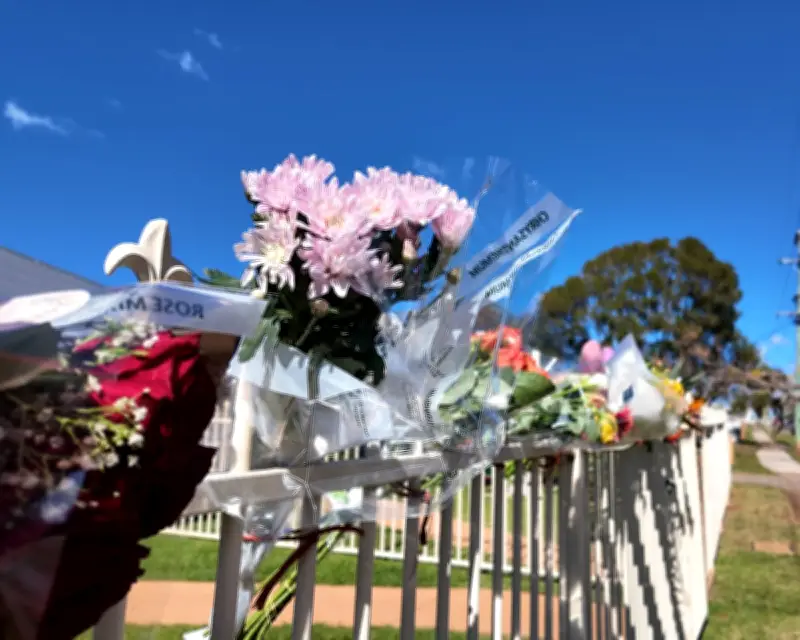
Last week alone, four women were allegedly killed by male violence in Australia. Two of these tragedies occurred in Victoria, and two of the victims were teenagers. Every single one of them should still be alive today.
Alarming Statistics
This year, nine women have died in Victoria, while across Australia, 37 women have allegedly been killed by men. Shockingly, 17 children have died as a result of violence in 2026 – the youngest victim was an eight-week-old baby. With a woman dying on average every 11 days in Australia in 2024-25, we are left feeling that we are in a crisis we cannot escape.
Every death leaves children without mothers, parents without daughters, friends carrying grief that never quite leaves them, colleagues trying to fill impossible gaps, teachers supporting traumatised students, police, nurses and paramedics responding yet again.
Root Causes and Response
This epidemic is rooted in a long history that has treated women as lesser and as citizens undeserving of equal worth. Specialist family violence services are doing extraordinary work, but demand has vastly outpaced capacity. Critical services are overwhelmed, leaving them unable to meet the needs of everyone seeking safety.
We need to reach people at risk earlier: women experiencing escalating abuse, children living with violence, and people using violence who need to be held accountable and supported to change their behaviour. Prevention means moving beyond a crisis response model and building a system that can recognise risk and intervene early.
Here in Victoria, we’re coming to an election in November. Women’s, children’s and community safety should take pride of place. Victorians should expect every political party to answer one simple question: how will you make women safer? Not with slogans, but with practical commitments that strengthen policing, housing, family violence services, early intervention, mental health, schools and the justice system.
Dr Joumanah El-Matrah, CEO of Safe and Equal, the peak body for Victorian organisations that specialise in family and gender-based violence, said: “Every 11 days another woman is killed by someone she trusted. Keeping women safe is not a women’s issue. It is a measure of the kind of society we choose to be. Enough is enough.”




