The Cockroach Janta party (CJP) led a protest that forced the resignation of Indian education minister Dharmendra Pradhan on 26 July, a significant win for young activists. The rebellion unfolded at Jantar Mantar in Delhi, a historic protest site, and lasted less than eight weeks.
Origins of the Movement
The CJP began as a social media hashtag with 20 million followers, founded by Abhijeet Dipke while he studied in Boston. Dipke turned remarks attributed to chief justice Surya Kant, who allegedly called unemployed youth and activists “parasites” and “cockroaches”, into a rallying meme. On 6 June, Dipke brought the movement to Jantar Mantar, where it grew into a physical protest.
The Protest Escalates
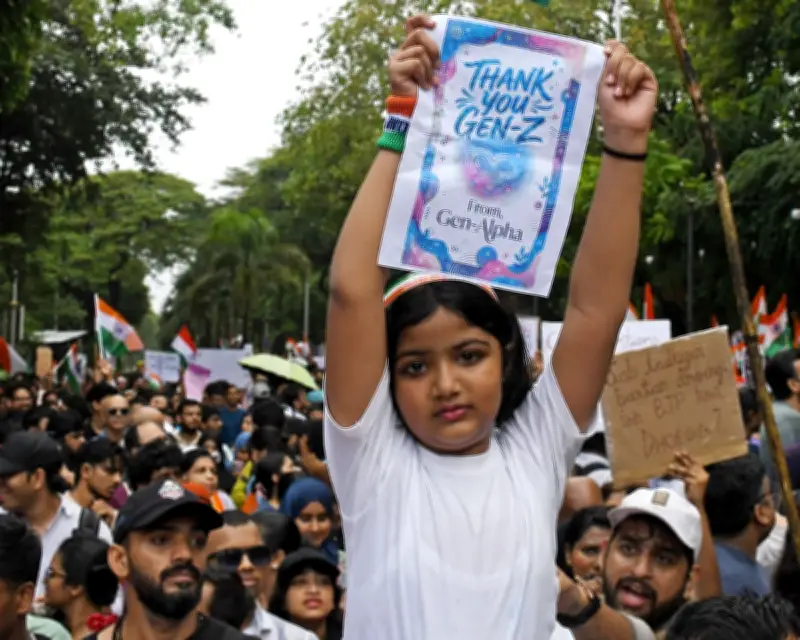
On 20 July, the scheduled march to parliament saw tens of thousands of young protesters at Jantar Mantar. The government, having underestimated the crowd, attacked with lathis and teargas. The violence, captured on phone cameras, spread online, galvanising support. Unlike previous protests, this one could not be easily dismissed as anti-national because it focused on corruption in competitive examinations affecting middle-class families.

Demands and Victory
The CJP demanded the sacking of education minister Dharmendra Pradhan, a concession Modi had never before granted. After a hunger strike and public pressure, Modi capitulated and Pradhan resigned. Critics call it a symbolic victory, but the CJP argues it diminished Modi by forcing a public backdown.
Youth Leadership
The CJP's leaders are notably young: Dipke is 30, spokesperson Saurav Das is 26, and negotiator Ashutosh Ranka is about the same age. Their poise and message discipline echo the template of New York mayor Zohran Mamdani, suggesting a new generation of political leaders may emerge from the protest.