When Sanghmitra Singh moved to Glasgow from India in 2018, she felt welcomed and included. Now, she says, she feels scrutinised, as the city witnesses increasing racist disorder.
From welcome to wariness
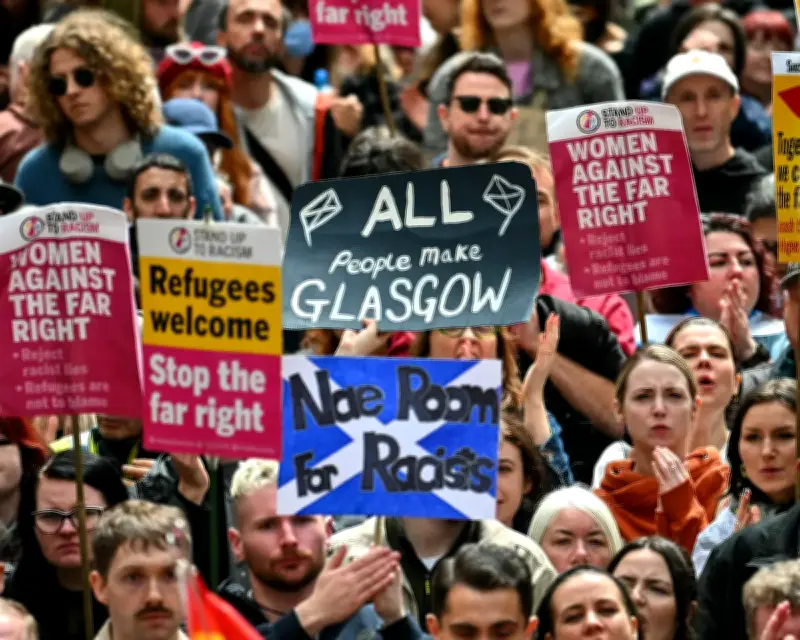
Singh, a human rights lawyer and writer, recalls that Scottish people were known for friendliness, with the slogan “People make Glasgow” appearing across the city. She was welcomed by kind strangers and helpful neighbours, and cultural events felt inclusive. But something changed after Covid, a global recession and years of austerity, she writes.
In June, disorder and racist assaults occurred in Glasgow as masked protesters marched. Asian business owners were harassed and people attacked “because of the colour of their skin”, according to police. Later that month, a man was charged with attempted murder after allegedly attacking men leaving a mosque in Edinburgh. In July, a delivery driver was assaulted after anti-immigration protesters, some shouting racist abuse, “rampaged” through Glasgow.

Personal experiences of hostility
Singh describes strangers questioning her nationality, accent, religion or clothes. A stranger called her accent weird, an acquaintance said immigrants were taking jobs from locals, and a customer in a Govan pub remarked that immigrants are criminals. An old lady on a bus interrupted her and her husband, who is white and British.
She notes that colleagues who have been in Scotland since the 1980s say racist violence has happened before, but this time it feels different. “We’re afraid to step out now,” she writes, citing a marked shift in nervousness.
Causes and responses
Singh blames a combination of factors: the high cost of living, the worsening climate crisis, rightwing media agendas, and the Covid pandemic leaving people feeling the state wasn’t caring for them. She also points to extreme wealth inequality and social-media algorithms favouring inflammatory posts.
Anti-racist rallies were held in places like Leith and Glasgow, with signs reading “Racism is weird, have you tried hobbies?” and “Hate has no home”. But Singh says while heartwarming, they won’t stop the growing hatred and fear. She calls for saying “no” to the normalisation of bigotry, focusing on shared living conditions and inequality, and remembering that “the real blame lies with the system that wants us divided”.