
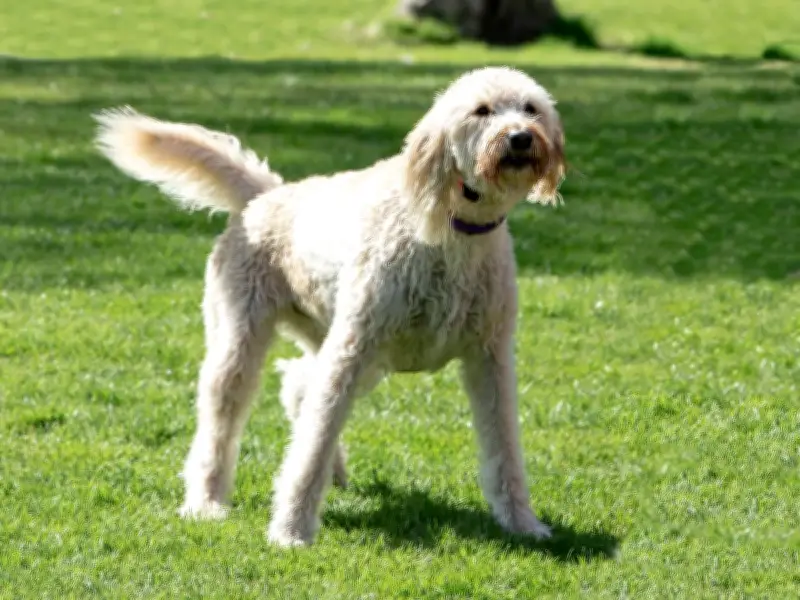
Many dog owners assume that a wagging tail means their pet is happy and excited — but according to some experts, that's not necessarily the whole story.
Reddit User Sparks Debate
"Do dogs voluntarily wag their tails or is it a reflex?" asked one curious owner on Reddit. "My dog is constantly wagging her tail and it just seems that's a lot to keep track of."
The query prompted fellow users to clarify that tail wagging is, in fact, involuntary on occasion. One person said: "It's like smiling. You can do it voluntarily but it also happens when you're happy."
"Dogs involuntarily wag their tail when they're excited (both happy, excited, and nervous, excited), but sometimes they also do it as an appeasement behaviour to say, 'I'm not a threat'."
Mixed Responses from Pet Owners
A second agreed, adding: "I think it's kind of like breathing. Your body does it naturally, especially under certain circumstances, but they can also do it voluntarily."
While a third Reddit user pointed out: "Every single time my dog sees another person or dog he wags his tail exuberantly. This seems clearly like a reflex to me, something in his brain is just wired this way."
"Sometimes when my dog is frustrated with me and wants to play he will do a big play bow and wag his tail a few times. This seems quite intentional, as a way of saying, 'come and get me!'"
And a fourth claimed: "Wagging is both voluntary and involuntary, situationally-dependent."
Blue Cross Charity Weighs In
Leading animal welfare charity Blue Cross backs up this theory, providing a range of tail-related insights on their website. However, it seems that the key reason dogs wag their tails is for communication.
"Tail wagging develops differently in different breeds, but it usually begins around three to four weeks into life," they explain. "The wag of a tail is instinctive in dogs; it's used as part of their varied communication with one another and with humans."
Blue Cross also notes that while tail wagging is instinctive, the shape, size, and manner in which the tail moves will differ from breed to breed and from one dog to another.
"For example, most golden retrievers have large expressive tails that tend to swish from side to side when walking, whereas whippets and greyhounds tend to hold their tails far lower than the average breed," they elaborate.
"The spitz breeds, like huskies and malamutes, have tails that curl backwards; sometimes the tip of the tail will even touch the dog's back."
Despite these differences, along with the size and shape of today's breeds, most dogs tend to understand each other and communicate well if they are socialised appropriately.
Conclusion: Tails as Communication Tools
And there you have it — dogs rely on their tails as a means of expression. They serve as a handy tool for communicating with both fellow canines and their human companions alike.




