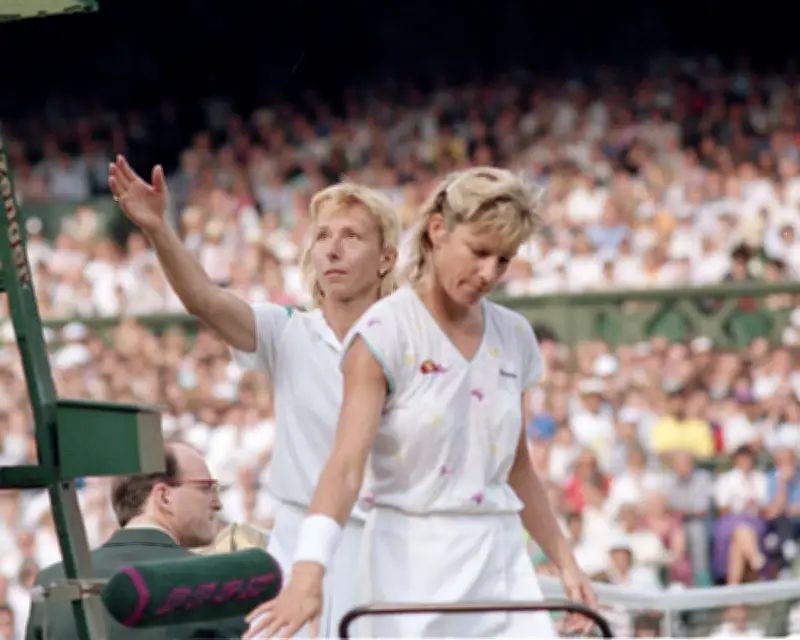
Emma Brockes reflects on the new Netflix documentary Chris & Martina: The Final Set, which chronicles the intense rivalry and deep friendship between tennis icons Chris Evert and Martina Navratilova. The documentary, released ahead of Wimbledon, revisits the late 1970s when both players transformed women's tennis. Brockes notes that while she grew up watching Graf, Seles, and Agassi, her earliest tennis memories are tied to Evert and Navratilova.
The Rivalry Defined an Era
The documentary portrays Evert and Navratilova as "the most cold-hearted pursuers of greatness that you've ever met." Evert, the blond Floridian, contrasted with Navratilova, who defected from Czechoslovakia in 1975 and reshaped her body and game into a winning machine. Brockes describes herself as a tennis-club kid in 1980s UK, obsessed with brands like Fila, Yonex, and Sergio Tacchini, and despising Anna Kournikova for her sponsorship success despite never winning a singles title.
Homophobia and Heartbreak
Brockes highlights the homophobia Navratilova faced: while Evert was sponsored by Rolex, Navratilova struggled for endorsements. Crowds booed Navratilova at the 1984 US Open final, and journalists asked if she was "bad for women's tennis." Navratilova recalls, "I don't know if it's because I'm gay or from a communist country, but I'm American. And I'm a good person. And you guys are hating on me." She won that tournament, but the hurt lingers. Brockes remembers her grandfather mocking Navratilova's physique, suggesting she belonged in men's tennis.
Cancer and Comeback
The documentary also covers their simultaneous cancer diagnoses: Evert with ovarian cancer, Navratilova with throat and breast cancers. Cameras capture them in hospital, including a moment when a nurse calls "Christine Evert" in a waiting room. Navratilova, now 69, and Evert, 71, show their fighting spirit: "If I didn't have a bum shoulder, I'd kick your ass," Evert tells her friend. Navratilova's final Wimbledon singles title came in 1990, her ninth, and by 1994, the crowds gave her a one-minute-40-second standing ovation.
Enduring Legacy
Brockes concludes that the documentary is a testament to their resilience. Despite retirement and illness, the two champions remain competitive and close. The film, available on Netflix, offers an intimate look at their bond, from rivalry to friendship, against a backdrop of societal prejudice and personal trials.