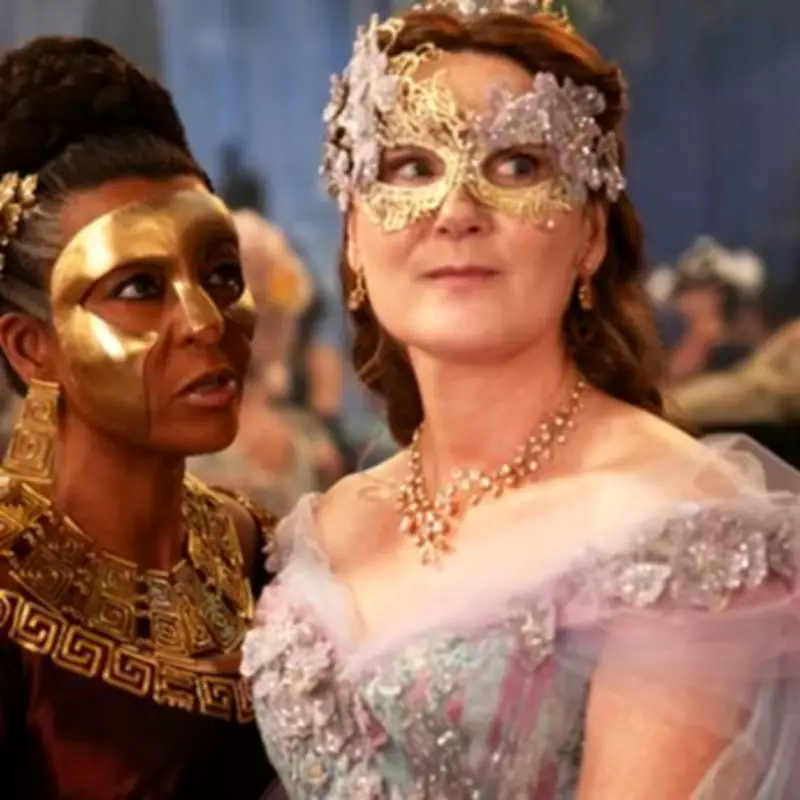
Netflix's acclaimed period romance Bridgerton has made a triumphant return for its fourth season, captivating audiences with its lavish portrayal of Regency London. Among the show's many intriguing elements, one term frequently surfaces in dialogue and plotlines: the ton. This concept is central to understanding the social dynamics that drive the drama, and fans are keen to learn more about its significance in the series.
The Essence of the Ton in Bridgerton
Set against the backdrop of the Regency era in the early 19th century, Bridgerton is adapted from Julia Quinn's beloved novels and chronicles the romantic escapades of the noble Bridgerton family within London's elite circles. Following the stories of eldest daughter Daphne, portrayed by Phoebe Dynevor, and sons Anthony and Colin, played by Jonathan Bailey and Luke Newton respectively, the spotlight now shifts to second son Benedict Bridgerton, embodied by Luke Thompson.
In this season, Benedict's narrative unfolds after a fateful encounter with a mysterious Lady in Silver at a masquerade ball. He embarks on a secret romance with new maid Sophie Baek, played by Yerin Ha, unaware that she is the very same woman from the ball. Throughout the series, references to the ton abound, such as when local gossip disseminated by Penelope, also known as Lady Whistledown (Nicola Coughlan), is described as the 'talk of the ton.'

Defining the Ton: A Regency Era Phenomenon
In the context of the Regency period, the ton simply denotes the upper echelons of London society. Whenever the aristocracy and wealthy elite convene in the court of Queen Charlotte, portrayed by Golda Rosheuvel, they are collectively referred to as the ton. This term serves as a shorthand for the capital's most powerful and influential class, shaping social norms and expectations.
The origin of the word dates back to the 1800s and is derived from the French phrase le bon ton, which translates to good manners. This linguistic root underscores the emphasis on etiquette and propriety that characterised high society during this era. In Bridgerton, the ton gathers primarily during the 'season,' which spans the spring and summer months, for opulent balls and banquets that are central to the plot.
The Marriage Mart and Social Strata
A key focus of these seasonal events is the marriage mart, a highly competitive and often cutthroat period where debutantes—unmarried daughters from affluent families—are presented as young women of marrying age. While some, like Francesca Bridgerton (Hannah Dodd), swiftly secure matches with wealthy bachelors, others, such as Eloise (Claudia Jessie), take longer to find suitors or, in Eloise's case, reject marriage altogether for the time being.
This social structure highlights the rigid class divisions of the time, as seen in Benedict's storyline. In the fourth season, he defies convention by engaging in a budding relationship with Sophie, a member of the servant class. Initially mistaking her for a ton member at the masquerade ball, Benedict faces a profound dilemma upon discovering her true identity, forcing him to navigate the complexities of love across social boundaries.
Before their relationship can progress, Benedict must atone for insulting Sophie by proposing she become his mistress, adding layers of tension to their clandestine affair. Viewers will witness whether they can bring their romance into the open when the second half of season four premieres.
Bridgerton season 4, part 2 is set to release on Thursday, 26th February, exclusively on Netflix, promising more drama and intrigue within the ton's exclusive world.