Critical Acclaim for Nolan's Epic
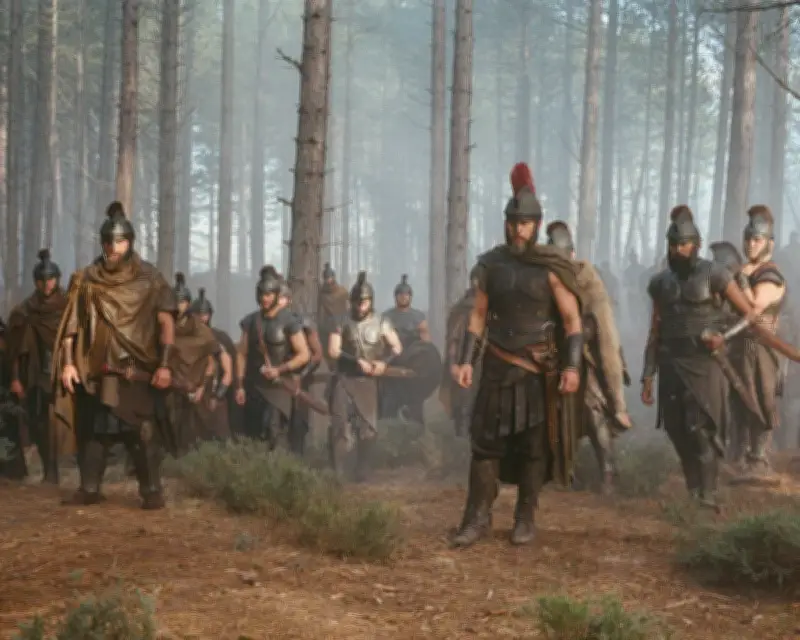
Christopher Nolan's $250m Imax blockbuster adaptation of Homer's epic poem, The Odyssey, has garnered near universal acclaim, positioning itself as a frontrunner for next year's Best Picture Oscar. The Guardian's Peter Bradshaw awarded it five stars, praising its "thrilling ambition, boldness, seriousness, generosity and flair." The Independent's Clarisse Loughrey called it "Nolan's best work to date," while the Telegraph's Robbie Collin described it as "a strange, fearsome and trailblazing machine of a movie – by some distance, the best of the year so far."
Standout Performances and Direction
The New York Times' Manohla Dargis noted Nolan's passion for cinema "in every frame of his monumental adaptation," calling it "one of the most Nolan of Nolan spectacles." The Times' Kevin Maher declared it "a masterpiece in every way," emphasizing its primal storytelling and artistic value. Variety's Guy Lodge praised the film's "genuinely grand, gutsy vision" and its "veritable banquet of loud, grandiose, movie-movie pleasures."
Mixed Reactions and Criticisms
Despite overwhelming praise, some critics noted flaws. The Hollywood Reporter's David Rooney found scenes between Matt Damon's Odysseus and Charlize Theron's Calypso "dull interludes" that stalled the narrative, and questioned the casting of Tom Holland as Damon's son. He also winced at anachronistic language like "I've listened to you party" and "dad." However, classicist Mary Beard defended the modern dialogue, calling it a "brisk, pacy and contemporary film" that serves as a great introduction to Homer.

Classicist Perspectives
Beard criticized the "one-dimensional, single-minded" characterization of Odysseus, lacking the humor and trickery of Homer's hero. She also lamented the cutting of key female characters, stating "This is an Odyssey without the sex." Classicist Emily Hauser in the Guardian expressed dismay at Nolan's omissions, particularly the portrayal of Penelope executing her enslaved woman, Melantho, calling it inexcusable and noting the film's focus on masculine redemption.