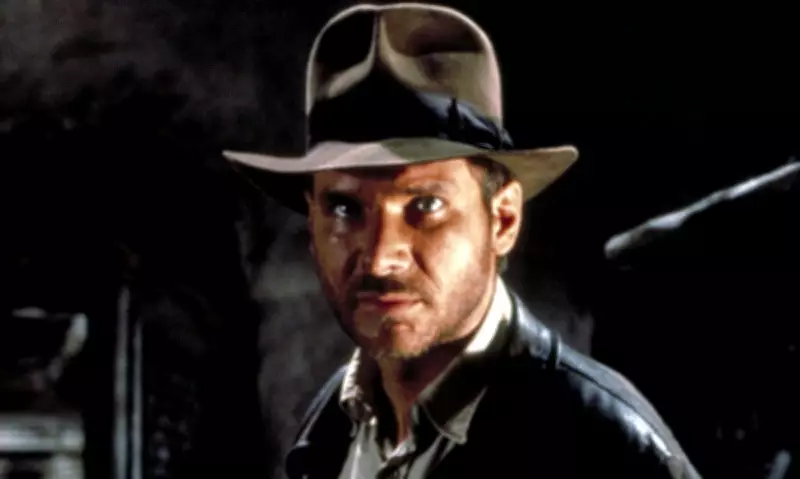
Why Raiders of the Lost Ark Remains the Ultimate Feelgood Movie
In the realm of cinema, few films capture the essence of escapist comfort quite like Steven Spielberg's 1981 adventure masterpiece, Raiders of the Lost Ark. Starring Harrison Ford as the iconic archaeologist Indiana Jones, this globe-trotting epic has endured as a go-to feelgood movie for generations, offering a nostalgic retreat into a world of wonder and heroism.
The Comfort of Proxy Danger
The ancient Greek philosopher Lucretius once mused that it is soothing to witness the struggles of others from a safe distance. This sentiment perfectly encapsulates why watching Indiana Jones navigate a relentless series of perils—from venomous spiders and treacherous jungles to betrayals and Nazi foes—provides such profound relaxation. Within the first fifteen minutes alone, Indy leaps over chasms, outruns boulders, and evades Amazonian tribes, yet viewers can rest assured that he will emerge triumphant.
As a child, there might have been a flicker of concern for Indy's safety, but an underlying certainty that all would end well always prevailed. Now, after countless viewings, audiences can simply revel in the ride. Raiders of the Lost Ark masterfully blends thrills, chills, laughter, and romance, creating a purely entertaining experience that feels like a warm embrace.

Nostalgia for a Bygone Era
At its heart, the film's comforting power stems from a deep-seated nostalgia for a romanticized past. It transports viewers to an era where wonder abounded, good triumphed over evil, and adventures awaited behind every desk. This setting, though largely fictional, features dashing professors battling Nazis in Egyptian tombs and bartenders escaping monotony for Cairo's bustling bazaars.
This escapism was intentional, paying homage to the 1930s and 1940s serial B-movies that inspired creators George Lucas, Philip Kaufman, and Steven Spielberg. Films like Buck Rogers and Zorro's Fighting Legion, shown in short segments before main features, packed action and intrigue into every frame, much like Raiders does. Beyond reliving childhood memories, the filmmakers aimed to offer 1980s America a respite from the turmoil of the Vietnam War and Watergate, returning to a simpler time of moral clarity.
A Refuge in Turbulent Times
For many, including those growing up in the 2000s amid political strife and personal challenges, Raiders of the Lost Ark served as a necessary refuge. Harrison Ford's defiance against Nazis resonated as a beacon of righteousness in an era of moral ambiguity, echoing the heroism of the Greatest Generation. On a personal level, the film provided solace from family conflicts, with movies becoming a sanctuary from real-world battles.
This nostalgia extends beyond the film's content to how it was consumed. Lazy Sundays spent channel-surfing often led to encounters with Raiders or its sequels, playing endlessly on cable TV. This casual viewing mirrored the serials of old, allowing audiences to dip into familiar scenes—like Indy's Himalayan bar brawl or his horseback chase—before flipping away during commercials. There was a serene trust in the cable programming gods, relieving viewers of decision-making and inviting them to simply relax.
Divine Intervention and Peace of Mind
The film's climax, where divine intervention saves Indy and Marion, underscores its ultimate message of reassurance. Whether facing murderous Nazis or the chaos of daily life, the idea that someone—or something—is looking out for you offers profound peace. Raiders of the Lost Ark encourages audiences to let go, sit back, and trust that everything will be alright, much like the comforting hand of fate guiding Indy through his adventures.
Available on platforms like Paramount+, Now TV, and Disney+, this timeless classic continues to deliver its feelgood magic, reminding us of the enduring power of nostalgia and escapism in cinema.