Paris Hilton's 'Infinite Icon' Documentary Faces Scrutiny as Superficial Self-Promotion
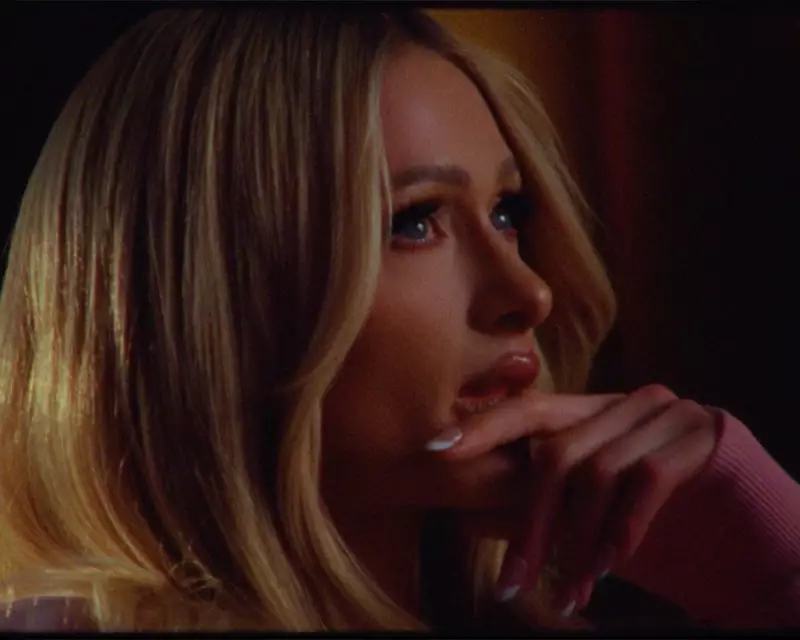
Paris Hilton's latest cinematic offering, Infinite Icon: A Visual Memoir, has sparked debate among critics and audiences alike. The film, which purports to provide a behind-the-scenes look at the creation of her second studio album and her evolution as a musician, survivor, and mother, is now in cinemas from 30 January. However, initial reviews suggest it may fall short of delivering meaningful insight, instead presenting what some describe as an arduous display of narcissism.
A Lengthy Exercise in Self-Love Without Substance
The documentary, for which Hilton serves as executive producer, has been labelled by reviewers as an indiscriminate non-curation of self-importance. Critics argue that it stretches on interminably, clocking in at what feels like the longest two hours imaginable, culminating in unedited and lacklustre concert footage. While Hilton's second album, Infinite Icon, undoubtedly has its supporters and detractors, this film appears to cater primarily to her fanbase, offering little beyond surface-level exhibitionism.
Observers note that the movie heavily relies on Instagram-style exhibitionism and empty phrases, raising questions about whether there is any genuine depth behind Hilton's public persona. The scenes presented seem to be all there is, with no hidden layers or revelations to uncover, making it a challenging watch for those seeking substantive content.

Missed Opportunities for Meaningful Analysis
One of the film's few noteworthy moments involves an interview with Sarah Ditum, author of Toxic: Women, Fame and the Noughties, who discusses the duplicitous and misogynist media coverage Hilton has endured. Tabloid paparazzi have historically exploited her for profit, and this segment briefly touches on the broader issues of celebrity and gender. However, this analytical thread is quickly abandoned, leaving viewers with a superficial treatment of a complex topic.
Additionally, the documentary omits key aspects of Hilton's background, such as her enormously wealthy family history, which was more prominently featured in her 2020 film, This Is Paris. Hilton has since distanced herself from that reality-TV persona, but the omission here feels coy and selective, undermining the film's claim to authenticity.
Personal Struggles Framed as Brand Accessories
Infinite Icon does address some of Hilton's personal challenges, including the emotional and sexual abuse she suffered as a teenager at the Provo Canyon School in Utah, a notorious youth psychiatric facility. It also touches on her ADHD diagnosis, with a candid moment where she exclaims, "I have ADHD, don't tell me to pause!" when interrupted.
Yet, critics argue that these serious issues are presented in a way that makes them seem like mere brand accessories, integrated into her public image rather than explored with depth or empathy. The film's approach to allyship and advocacy comes across as performative, lacking the genuine reflection needed to do justice to such topics.
Overall Reception and Cultural Impact
In summary, Infinite Icon: A Visual Memoir is seen by many as an unbearable act of docu-self-love that reveals exactly what one might expect: a glossy, extended showcase of Paris Hilton's celebrity life without substantive behind-the-scenes revelation. While it may appeal to dedicated fans, the film struggles to engage a broader audience, highlighting the ongoing tensions between celebrity culture and meaningful storytelling in the documentary genre.