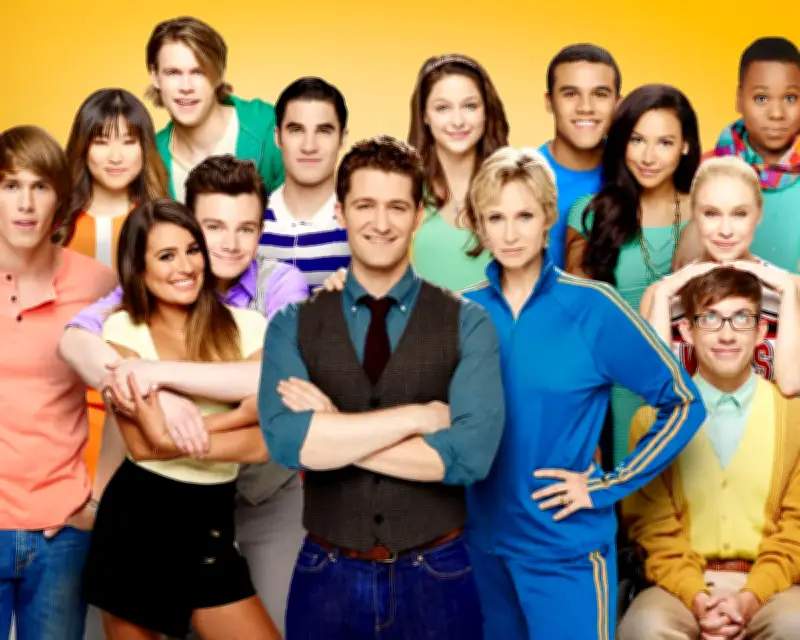
Disney+ and Hulu have commissioned a revival of Glee, the musical comedy drama that ran for six seasons between 2009 and 2015. The show, created by Ryan Murphy, was a cultural phenomenon during its original run, winning six Emmys and four Golden Globes.
Set at the fictional McKinley High School in Ohio, Glee followed the trials of New Directions, a show choir. The series became known for its covers of show tunes, 80s power pop hits like Journey's Don't Stop Believin', and 2010s chart-toppers. The cast's soundtrack albums regularly charted, and the cast toured the US and UK, with the concert later released in cinemas as Glee: The 3D Concert Movie.
A Show That Defined an Era
Glee exemplified Obama-era optimism and liberal identity politics. Murphy used the show to highlight LGBTQ+ representation, filling it with characters from marginalised backgrounds. The show arrived a year after Proposition 8 banned same-sex marriage in California, and its pro-queer messaging was significant, even if sometimes tactless.
The show's legacy includes paving the way for campaigns like Lady Gaga's Born This Way and Dan Savage's "It Gets Better". By the time same-sex marriage was legalised in the US in 2015, Glee had presented a utopian vision where LGBTQ+ people lived in harmony. A post-Glee world suggested that, no matter your differences, everyone would be equal.
The Changing Political Landscape
The last 11 years, however, have highlighted what a fantasy Murphy's egalitarian vision was. The pandemic, a second Trump presidency and vast economic disparity have stoked divisions. Anti-LGBTQ+ legislation in the US and UK has created a hostile environment, with the Institute for Strategic Dialogue reporting an increase in anti-LGBTQ+ hate crimes.
In this context, the identity politics of Glee 1.0 feel dated. Some hypothesise that these values have contributed to the so-called "war on wokeness". The show's legacy has also been tarnished by allegations of on-set bullying, racism and favouritism, as well as the deaths of cast members Cory Monteith, Mark Salling and Naya Rivera.
A Reboot for a New Generation?
Some former stars, including Lea Michele, Heather Morris and Chord Overstreet, are already on board for the revival. However, whether Murphy can produce something that speaks to the current climate is debatable. His recent output, including The Shards, All's Fair and the Monster anthology series, suggests a lack of subtlety.
The reboot feels like a shallow attempt by a streaming service to reclaim a dwindling Gen Z audience. Murphy's identity politics seem incongruous at a time where nuance and self-awareness are necessary. As the author puts it, "I've stopped believin'."