World Champagne Day on 23 October raises a question: why are we still saving the good bottles for special occasions? As Champagne's grapes ripen earlier, its market loses some sparkle, and producers invest in English soil, the industry is changing.
Champagne's Changing Market and Climate
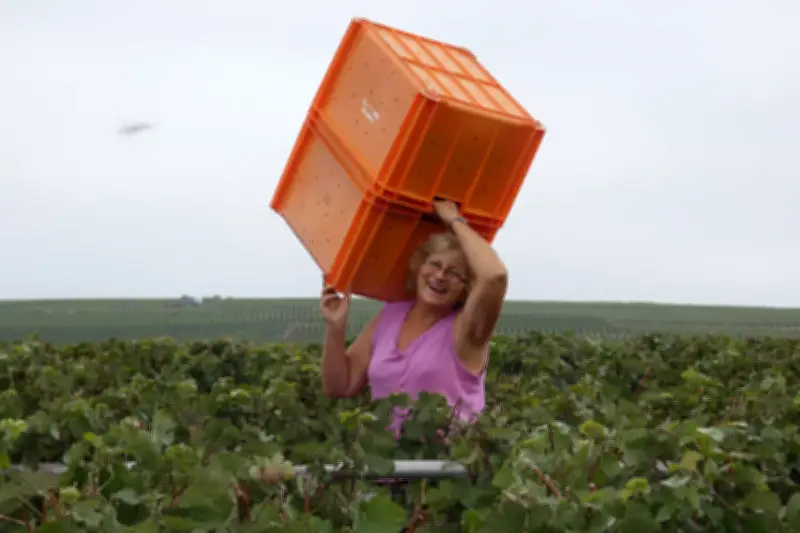
Britain remains one of Champagne's most important export markets, and shipments this year have proved steadier than some gloomier headlines suggest. However, the vineyards are changing more dramatically. Severe spring frost, intense summer heat and drought made 2026 Champagne's earliest harvest on record, with picking beginning in some vineyards on 6 August, nearly a month ahead of the traditional mid-September harvest and around a fortnight earlier than 2025.
In the warm 2018 vintage, Louis Roederer cellar master Jean-Baptiste Lécaillon broadened the usual Cristal palette, drawing on more plots and more Chardonnay than normal. Cristal 2018 (£238) is taut and luminous, with citrus, white flowers and a saline finish. Even Cristal sometimes has to change to remain Cristal.
Adapting to Informal Drinking
Reims has Sacré Burger, where serious grower champagne accompanies burgers and fried chicken, while London acquired Milk Burger on Westbourne Grove this month. Putting champagne beside a burger makes it informal, not necessarily accessible. The greater opportunity is a glass worth ordering on impulse, poured by somebody able to explain why it suits the food.
The wines themselves are becoming less obedient. Taittinger Folies de la Marquetterie (£68) is broader and more Pinot-led than the familiar Taittinger profile, with ripe orchard fruit, brioche and a gently smoky richness. Palmer & Co La Réserve Nature (£60) manages zero dosage without tasting punitive, all brisk citrus, chalk and salted almond, while Lelarge-Pugeot Tradition (£47.18) brings biodynamic farming and Meunier together in a supple mix of apple, plum and warm bread.
Further south in the Côte des Bar, siblings Lucie and Sébastien Cheurlin make l'Elégante Blanc de Blancs 2017 (£54), an oak-aged Chardonnay with hazelnut, yellow plum and brioche. Telmont, with president Ludovic du Plessis, has pursued organic conversion, lighter bottles, no gift boxes and no air freight. Leonardo DiCaprio has been a minority investor since 2022. Réserve de la Terre Rosé N°002 (£79.95) is made from organic fruit and tastes of blood orange, cherry and spice.
Women Winemakers and English Investment
Drémont-Marroy Le Triau Extra Brut (£52) is made by Mélanie Drémont and imported directly by Carole Bryon of Lady of the Grapes, whose Covent Garden and London Bridge restaurants put female winemakers at the centre of the list. The restaurant currently pours Le Triau by the glass, a low-commitment route into better champagne.
Bruno Paillard Blanc de Blancs 2015, Présence (£95) appeared roughly a decade after harvest, tasting finely evolved rather than elderly. Competition is arriving from closer to home. Nyetimber Blanc de Blancs 2018 (£58) comes from Chardonnay grown in West Sussex and Hampshire, tasting cool and precise. The Champenois are investing here themselves: Taittinger has established Domaine Evremond in Kent, while Pommery is producing English sparkling wine in Hampshire.
Stop Saving It
Champagne needs opening. Serve serious bottles at around 10C in a proper white-wine glass, then put them on the table with sashimi, Parmesan, turbot, roast chicken, Comté, caviar, or something fried. On Friday 23 October, take the bottle you have been keeping for something, chill it, find a decent glass and remove the foil before inventing another reason to wait.