Fox's English-language coverage of the 2026 World Cup in the United States has concluded, leaving a mixed legacy of improved analysis alongside persistent flaws. The broadcaster, which has held the rights since 2018, faces an uncertain future as media rights for the 2030 tournament remain up for grabs. This summer's coverage was a sociological experiment in blending British expertise with American presentation, with varying results.
Improved Talent Pool and Strong Performers
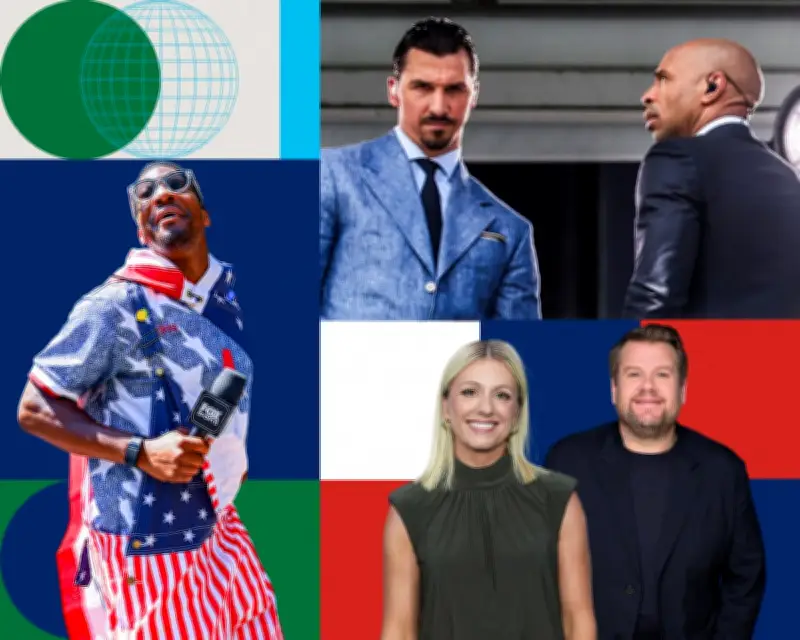
Learning from the widely criticized 2022 World Cup coverage, Fox rebalanced its on-air talent to include more elite international voices. Rebecca Lowe excelled as the main anchor, holding together an unruly panel with the stern mercy of a beloved schoolteacher. Jules Breach and Pien Meulensteen brought similar vim to lower-profile games, though their presentation sometimes evoked a reality TV set. Thierry Henry was uniformly superb, switching from tactical analysis to emotional bombast with the assurance of a striker in total command. Zlatan Ibrahimović grew into the tournament, achieving a pleasant equilibrium between expertise and disdain, particularly for Ronald Koeman. Clarence Seedorf's thoughtfulness and genial laugh elevated the coverage by an estimated 10%.
Persistent Weaknesses and Mispronunciations
Despite improvements, Fox's coverage was plagued by mispronunciations and awkward moments. Raúl Jiménez became "Jim Ennez," Marc Cucurella was dubbed "Cuckoo Rela," and Takehiro Tomiyasu was called "Tommy Yiasou," like a Greek waiter. Darren Fletcher's "siuuu" to mark Cristiano Ronaldo's goal sounded like someone dying mid-orgasm. John Strong's new style of ejaculatory emphasis, going low then suddenly high, proved annoying. The studio was a bland LA set with curved graphic panels, resembling a tech unicorn's rec room, despite access to iconic skylines.

Political Silence and Controversial Choices
Fox remained apolitical during a highly political World Cup, failing to address issues like the US government's visa bonds for certain countries, high ticket prices, or the suspension of Folarin Balogun's red card ban after FIFA's capitulation to Donald Trump. The choice of Jameis Winston as fan correspondent was controversial, given his Wikipedia page includes sub-headings like "Sexual assault allegation" and "Shoplifting incidents." Alexi Lalas, defended by Fox Sports CEO Eric Shanks as "the straw that stirs the drink," drew widespread mockery online.
Memorable Moments and Farewells
Fox's coverage included memorable lowlights: a Fourth of July segment with a marching band in Philadelphia heat, where Lalas waved a flag before a crowd of about 30 people; James Corden's late-night show with flat, three-quarters-full beers; and constant cutaways to FIFA President Gianni Infantino. The momentum graph only appeared when momentum needed no explanation, and the "no golden goal" rule reference persisted despite being outdated for 24 years. As the tournament ended, Fox ran plugs for shows like Kitchen Nightmares and The Quiz with Balls, signaling a return to regular programming.
Uncertain Future and American Soccer Identity
With media rights for 2030 up for grabs, Fox may not return as the English-language home. The coverage raised questions about American soccer identity: while British commentators bring romance and authority, US fans deserve better than a mix of "zesty Englishwomen, nonchalant Euros and all-American idiots." The incumbent will face stiff competition, and the cost will weigh heavily on bidding. For now, goodbye to Fox's World Cup coverage—a mix of fizzy and flat, like those sad beers on Corden's desk.