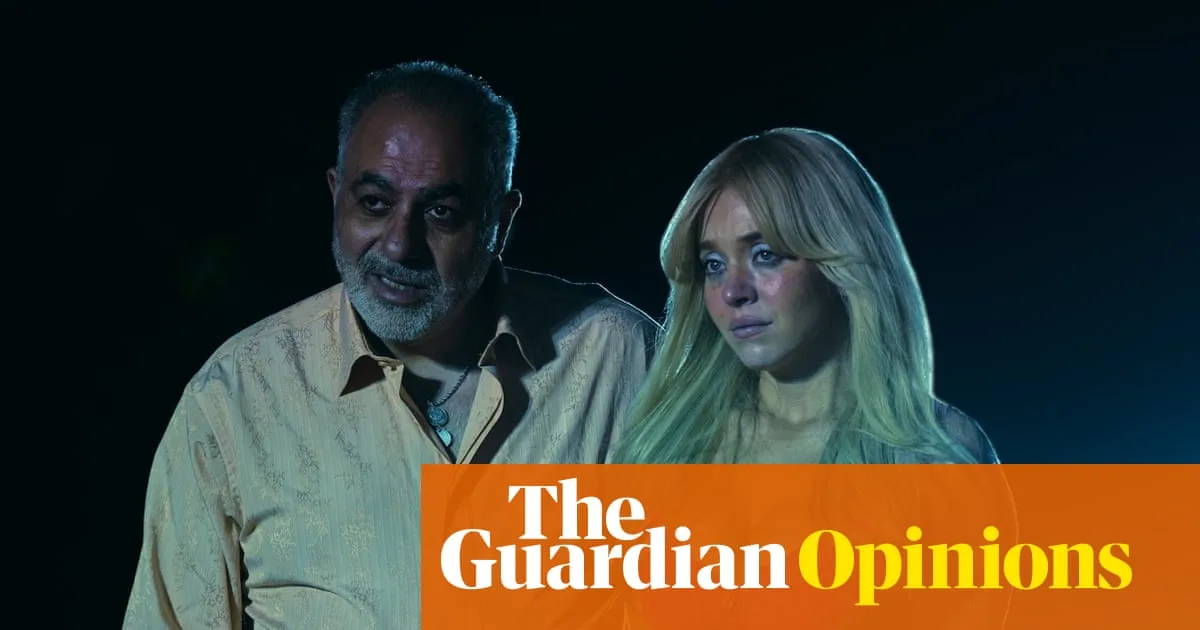
The third season of HBO's Euphoria has become almost impossible to ignore for anyone with a smartphone. The drama, which began in 2019 following a group of hedonistic teens, has evolved into television's answer to rage-bait, creating moments designed to dominate news feeds with memes and outrage. Before the season finale, viewers have seen OnlyFans storylines, pup play, sugar daddies, mummification fetishes, a disastrous wedding, fingers and toes being sliced off, venomous snake attacks, cockatoo assassinations, gangster shootouts and characters being buried alive.
Set five years after the characters graduated from high school, season three has at times felt lost outside the school setting, exploring a confusing mix of genres and plots. Some have criticised it for glamorising misogyny and violence. Yet the show has a track record of bold artistic risks, turning creator Sam Levinson into a polarising visionary and catapulting a new generation of actors to A-list status. As the season concludes, Euphoria represents a strange contradiction for 2026, feeling both ridiculous and undeniably influential.
This season initially seemed to turn strong-headed young women into shallow, manosphere-inflected fantasies. Cassie begged her husband Nate to let her do OnlyFans; Jules dropped out of art school to become a sugar baby; Rue started working as a drug mule for a strip club. However, episode four shifted the perspective when the show questioned whether women can truly be 'empowered' this way. Kitty, a dancer, is sexually assaulted by clients, witnessed by Rue via security cameras. In episode five, Cassie launches an OnlyFans and Nate, once possessive, sees her as a cash cow to clear his debts, even encouraging her to film an erotic video with a male influencer.

As Cassie pursues virality, she and Maddy stage engagement-bait stunts. 'The angrier these idiots get, the more money you make,' Maddy says. Euphoria explores the misogyny of the attention economy, rewarding polarising figures with cultural relevance. The show reflects on a generation raised on extreme creators like Andrew Tate and Bonnie Blue, products of the same algorithm-driven landscape. Levinson's use of shock tactics feels meta, questioning how algorithms strip humanity. Sydney Sweeney, at the centre, faced political firestorm in 2025 over an American Eagle ad campaign, highlighting the show's engagement with contemporary outrage.