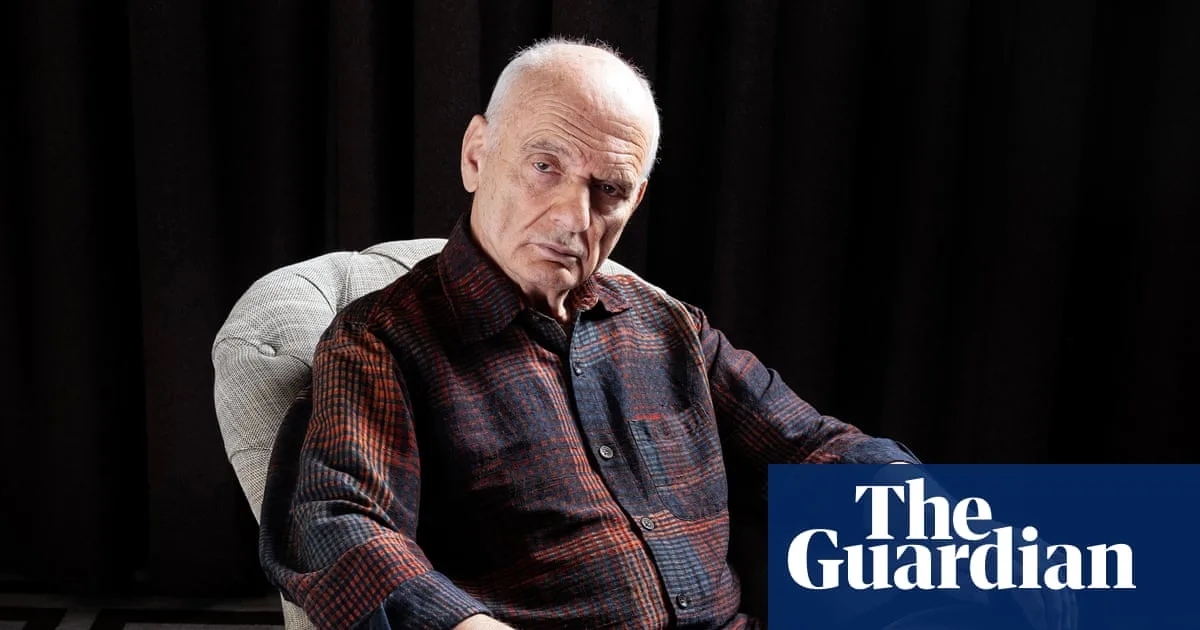
David Chase, the creator of The Sopranos, has spoken about his new series exploring the CIA's attempts to weaponise LSD, and reflected on the personal motivations behind his mob masterpiece. The 80-year-old writer was in London to promote HBO Max, the streaming service that is launching in the UK.
Chase attributed the success of The Sopranos largely to luck, noting that HBO was seeking original programming at a time when his script had been rejected by every other network. He described his frustration with network television, saying he was 'done with it' after years of taking notes and compromising. The freedom offered by HBO was a stark contrast, with Chase recalling only two notes from the network during the entire run of the show.
One of those notes concerned the episode 'College', in which Tony Soprano kills a mob informant. Executives feared the audience would abandon the show, but Chase insisted the murder was necessary for believability. The episode later became a landmark in prestige television.

Chase also discussed the real-life inspiration for The Sopranos, revealing that his difficult relationship with his mother led to the premise of a mob boss in therapy. He recalled his mother saying she would rather see him dead than avoid the Vietnam War draft, adding: 'I had to create a whole TV series to get over it.'
On his relationship with James Gandolfini, who played Tony Soprano, Chase acknowledged tensions but also shared moments of connection. Gandolfini sometimes struggled with the character's darkness, leading to absences from set. Chase recalled meeting him on the banks of the Hudson River when Gandolfini was unhappy and didn't want to work, but stressed that he was not the one responsible for tracking him down.