The Enduring Knockout Power of Boxing Films: A Century of Cinematic Spectacle
From the earliest days of motion pictures, boxing emerged as a prime candidate for cinematic spectacle, perfectly suited to showcase the raw emotion, physical intensity, and dramatic rivalries that define the sport. This symbiotic relationship has flourished for more than a century, as films have not only captured boxing's fury but also helped shape its cultural narrative. The British Film Institute's new season, The Cinematic Life of Boxing, delves into this captivating genre, celebrating its ability to inspire generations and explore deep psychological, sociological, and political dimensions.
A Historic Punch: From Silent Shorts to Modern Epics
The first sports film ever made was a 1894 short featuring a six-round match between Mike Leonard and Jack Cushing. Though only 23 seconds survive today, its impact resonates 132 years later, marking the beginning of a long cinematic fascination. Since then, scores of directors have been drawn to pugilistic stories, ranging from prize fights and amateur spars to bare-knuckle brawls. No other sport has been rendered cinematically to quite the same degree, whether through dramas, biopics, or documentaries. The BFI season, curated by Clive Chijioke Nwonka, an amateur boxer since childhood, examines this enduring relationship, highlighting how film taps into boxing's essence of human experience, poverty, struggle, and triumph.
Nwonka emphasizes that an uncompromising hunt for realism is central to the bond between sport and artform. Unlike team sports like football or cricket, boxing presents a direct confrontation between two individuals, making its pressures and intensity easily legible on screen. This has allowed filmmakers to use boxing as a mood music for working-class lives, as seen in films like Fighters (1991) and Rocco and His Brothers (1960), which explore themes of family, mobility, endurance, and survival that transcend genre and time.
Political Rumbles and Cultural Icons
Boxing films often capture the political zeitgeist of their eras. A prime example is the 1974 Rumble in the Jungle between Muhammad Ali and George Foreman in Zaire, which was not just a fight but a referendum on ideology during the civil rights era. This clash, documented in the 1996 film When We Were Kings, is hailed by Nwonka as the greatest and most significant fight of all time. Beyond high-stakes political spats, films like Clint Eastwood's Million Dollar Baby challenge the sport's misogyny, while the Rocky franchise, spanning six films and the Creed spin-offs, reflects on class struggles and the quest for self-actualization.
Nwonka notes that Rocky is quintessential boxing chum, especially for what it meant to Sylvester Stallone, who insisted on starring despite studio pressure. The franchise has influenced countless boxers to take up the sport, moving beyond Hollywood constraints into the real world of boxing. Its stoical qualities and focus on habitual experience, rather than glamour, lend credence to universal themes of self-respect and love, with Creed bringing these stories to a new generation through cross-pollination of past and present.
Avoiding Cliches and Embracing Authenticity
Despite its longevity, the boxing film genre is no stranger to cliches, often due to proliferation and the necessary beats of fight narratives. Recent failures like Christy (2025), starring Sydney Sweeney, have been criticized for paint-by-numbers storytelling and misguided emphasis on physical transformation over broader life cycles. Nwonka warns against assumptions about audiences and the trap of adding dramatic licence to noted figures, which can lead to inauthenticity.
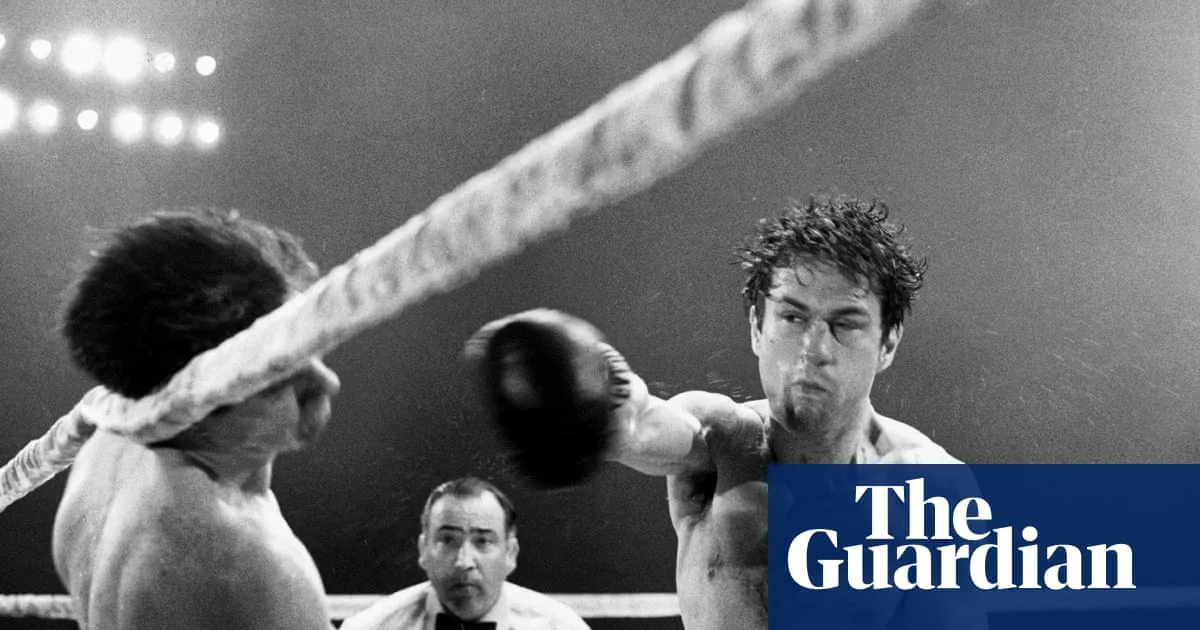
Real boxers often gripe about artificial fight scenes, but works like Martin Scorsese's Raging Bull set a high standard with rough, punishing choreography that captures the visceral reality of the ring. Thelma Schoonmaker's editing, featuring closeup punches and gritty details, showcases the grisly aspects that make for compelling cinema, avoiding endless training montages. The best filmmakers return to the core of these stories: the stakes of signing up for a fight and the physical, psychological, and monetary costs of endurance.
The Future of the Genre: Elasticity and Universal Appeal
The elasticity of boxing stories has ensured their endurance across generations. Even with familiar arcs, the genre remains fresh by focusing on universal human conditions—struggle, triumph, and the dance between film and sport. The BFI season, running from 30 March to 30 April at BFI Southbank, reframes old contests for new audiences, proving that boxing films continue to be a knockout in the cinematic world.