When South Korean chef Jun Lee opened SOIGNÉ in Seoul 13 years ago, educating diners on fine dining was a key task. His 'modern Seoul cuisine' restaurant, serving only a tasting menu, often saw customers requesting à la carte items or questioning meal duration. Today, Lee's conversations have evolved, focusing on flavour combinations, cooking techniques, and the philosophy underpinning his creations.
Chefs and culinary experts say part of the shift is driven by Netflix's cooking competition series 'Culinary Class Wars,' where Lee recently appeared in the second season. The unscripted series pits acclaimed 'white spoon' chefs against underdog 'black spoon' challengers. The second season debuted at No. 1 on Netflix's Global Top 10 (Non-English TV) list in December and has remained on the chart for five consecutive weeks. Netflix has confirmed a third season.
Tei Yong, CEO of CATCHTABLE, South Korea's leading restaurant reservation platform, said the show's influence far exceeded entertainment value. In November 2024, after Season 1 aired, Seoul's Metropolitan Government hosted a pop-up event featuring fine dining chefs from the series. When CATCHTABLE opened 150 reservations, nearly 450,000 people attempted to book — roughly 3,000 people competing for each spot. The average booking and waitlist registrations per participating restaurant jumped approximately 303% in the five weeks following Season 2's premiere compared with the five weeks prior.

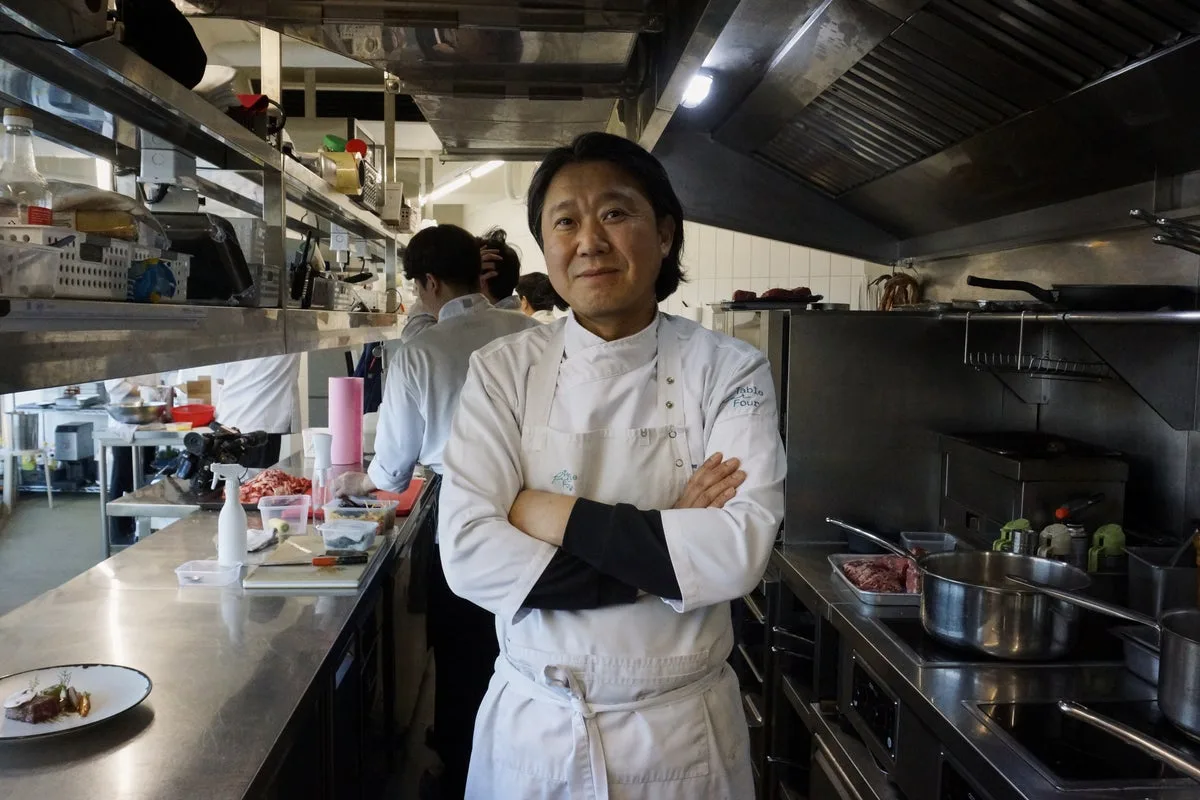
Chef Kim Sung-woon, of Table for Four in Seoul, said that reservations have tripled after the show. His staff receives roughly 100 phone calls daily — so many they can barely answer while working. 'Customers ask for photos constantly now — I feel like a celebrity,' Kim said. Lee has seen similar changes; walking down the street, people now ask for photos. Requests for international collaboration have increased significantly.
The show has proven particularly significant for chefs serving Korean cuisine with fine dining techniques. For Lee, simply adding Korean ingredients doesn't make a dish culturally Korean. 'If you just put kimchi in a dish and say it's inspired by Korean food, does that make it Korean?' he said. 'Korean food culture isn't about specific recipes — it's the accumulated lifestyle habits people have created.'