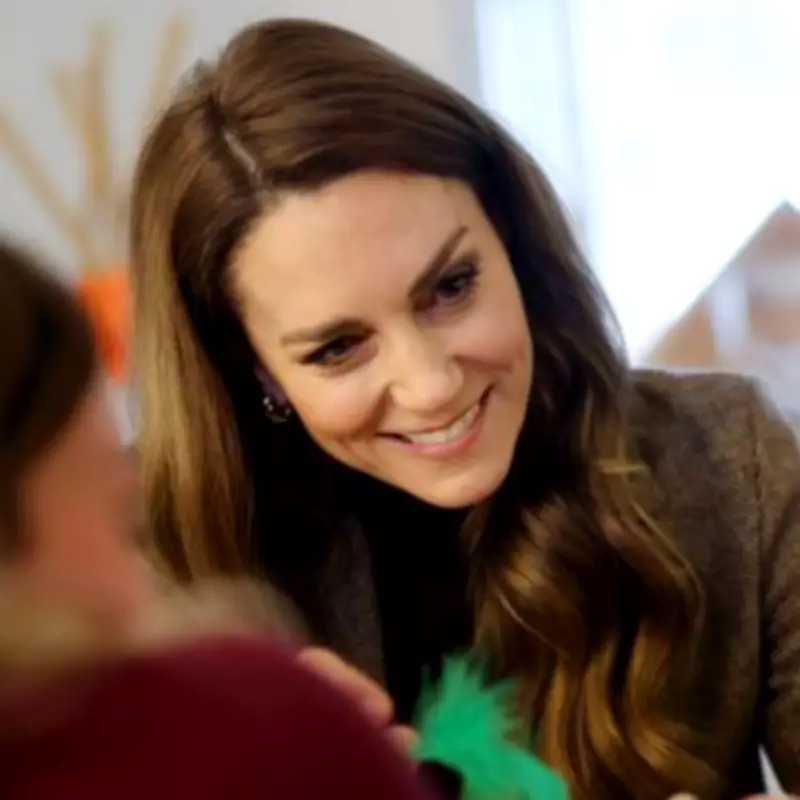
The Princess of Wales, Kate Middleton, has offered a rare and candid glimpse into her family life during a poignant visit to a children's trauma centre in Bradford. While highlighting the importance of creative therapies for young people recovering from trauma, Kate revealed how her eldest son, Prince George, helps maintain a sense of playfulness in her daily life.
A Heartfelt Connection to Family Moments
During her engagement at the specialist centre earlier this week, the Princess met with children and therapists to learn about innovative approaches to healing. The focus was on non-verbal therapies that utilise art, music, and movement to help youngsters express emotions when words fail them. Senior therapist Stuart Murray-Borbjerg noted that Kate appeared genuinely engaged with the families' experiences and the service's impact.
He explained that traumatic experiences often strip away a child's natural playfulness and joy, which can be gradually restored through creative activities. "Something that's lost through traumatic experiences is that sense of playfulness and joy which just comes back when you're making music or you're drawing together," Murray-Borbjerg stated.

Royal Recognition of Therapeutic Techniques
The therapist revealed that Kate immediately drew parallels between these therapeutic methods and her own family experiences. "[It's] something the Princess said too – that kind of gets lost as adults but [Prince] George keeps her playful," he recalled. Kate went on to mention that her children are musically inclined, with one playing the guitar and another the drums.
This comment aligns with previous revelations about the Cambridge children's musical pursuits. Prince William has previously disclosed that their youngest, seven-year-old Prince Louis, has been practising drumming. During a visit to youth charity Spiral Skills last September, William declined an offer to try drumming himself, joking that Louis would be more enthusiastic. "I'm definitely not a drummer – if my youngest was here he'd have a go, he’s been practising at the moment," the Prince of Wales remarked.
Musical Talents Within the Royal Household
The Cambridge children's musical education has been a consistent theme in the family's public engagements. Kate previously shared during a 2022 trip to Cardiff that Prince George was taking electric guitar lessons, while Princess Charlotte was learning the piano. Charlotte's skills were prominently displayed during Kate's annual Together at Christmas carol service in December, where mother and daughter performed a piano duet together.
Scottish composer Erland Cooper, whose piece they performed, praised their musical abilities. "Little Charlotte’s taking the melody, a bit like bird songs she's sort of floating the melody and giving it a lilt, and the arpeggio on the chords are played by the Princess as well – so a pair of Princesses playing the piano," he described. Cooper added that he needed to give no directions as they played so beautifully, noting Charlotte's particular confidence at the instrument.
The Significance of Creative Healing
Kate's visit to the Bradford trauma centre emphasised the critical role that creativity, community, and nature play in supporting children who have experienced trauma, isolation, and mental health challenges. During her time at the facility, she observed a young girl creating a "box of wishes" with her therapist and learned how to "listen to the sea" using a shell. She also spoke with a twelve-year-old boy who described using music as part of his therapeutic journey.
The Princess's personal connection to the therapeutic techniques, through her experiences with her own children, added a layer of authenticity to her engagement. Her revelation about Prince George's role in keeping her playful underscores how even royal parents face the universal challenge of maintaining childlike wonder amidst adult responsibilities.
This Bradford visit continues Kate's longstanding commitment to early childhood development and mental health advocacy. By sharing these personal family moments, she bridges the gap between royal duty and relatable parenting experiences, while simultaneously highlighting important therapeutic approaches for vulnerable children across the United Kingdom.