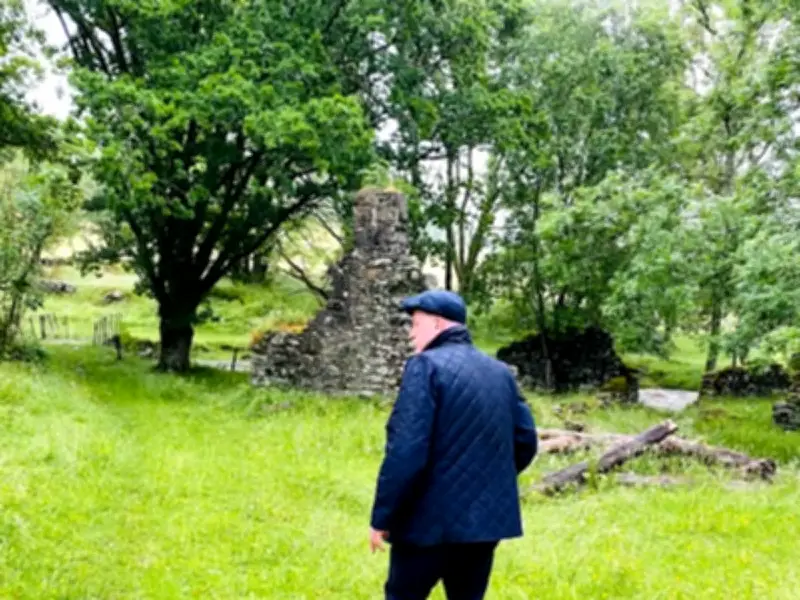
The ruined village of Old Lawers in Highland Perthshire, abandoned since the 1920s, is said to be haunted by the spirit of a 17th-century seer, the Lady of Lawers. The site, on the northern shore of Loch Tay, is a scheduled ancient monument and draws visitors intrigued by its eerie atmosphere and history.
History and abandonment
Old Lawers dates back to the 12th century, with the first recorded reference believed to be in 1160, when King Malcolm IV granted the barony to the MacMillans of Argyllshire. The settlement prospered for around 750 years through farming, fishing, and flax milling.
By the mid-19th century, the population had fallen to fewer than 20 people, with historians attributing the decline largely to debilitating rent fees. The final family left in 1926, after the ferry service to and from Lawers was scrapped, leaving them without income and the village officially abandoned.
Hauntings and prophecies
Remnants of the village include the remains of a church, ruined homes, a mill by the loch, and the old pier. Many believe the site is haunted by the Lady of Lawers, a former Stewart from Appin who lived in the House of Lawers in the mid-17th century. According to the Old Lawers Village website, she is rumoured to be buried near her former home, and visitors have reported strange sensations and shivers around the house.
The Lady of Lawers was known for prophecies that are said to have come true, including one predicting “fire-coaches yet to be seen crossing the Drumochter Pass” nearly two centuries before steam trains ran on the Highland Railway.
Visiting today
Old Lawers is a scheduled ancient monument, and visitors are warned they enter at their own risk, with the owner not responsible for “any injury, or death which may occur as a result of visiting the area”. Camping, fires, barbecues, alcohol, and removing stones or objects are prohibited, and visitors must take their litter home as no bins are provided.
There is no vehicle access; the site is reached on foot from the Ben Lawers Hotel car park, heading north towards Kenmore until a farm track leads down to Loch Tay.