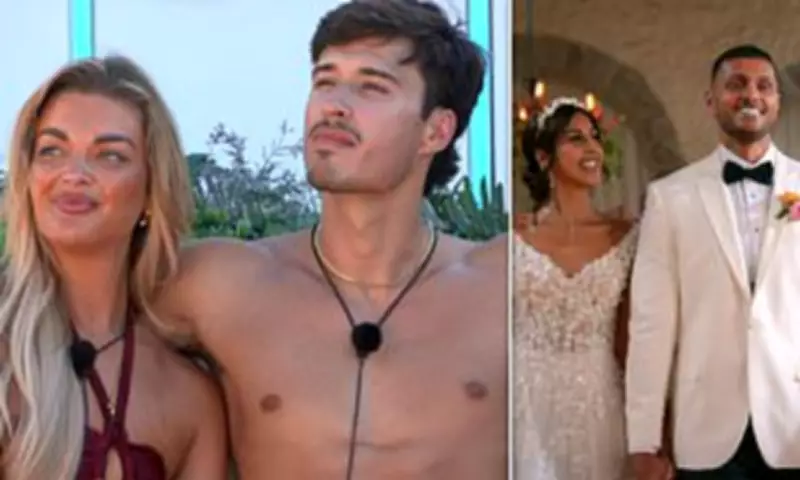
While the latest season of Love Is Blind US concluded with only two couples remaining together, a fascinating new study from across the Atlantic reveals that finding lasting love on national television is indeed possible. The research, which analysed the success rates of major British dating programmes, has produced some surprising rankings.
The Unconventional Path to Romance
Millions of UK viewers have followed hundreds of civilians attempting to find their perfect match through various reality television formats over the years. Contrary to accusations that such programmes are merely platforms for influencers seeking fame rather than genuine romance, the evidence demonstrates that authentic connections can and do form under the spotlight.
All Stars Emerges as Clear Leader
Surprisingly, Love Island All Stars has achieved the highest success rating for producing long-lasting couples among the shows examined. The analysis reveals that out of 75 contestants who have participated in the All Stars format, an impressive 16 have entered into relationships with fellow participants.

This translates to approximately one in five contestants finding genuine romance through the programme, representing a significant success rate for reality television matchmaking. Notable couples from the All Stars edition include newly-engaged Molly Smith and Tom Claire, Sophie Piper and Joshua Ritchie, and Grace Jackson and Luca Bish.
How Other Shows Compare
The comprehensive study, conducted by Angelic Diamonds, placed the original Love Island series at the bottom of the rankings despite its status as the UK's most popular dating programme. With 404 contestants having participated across various seasons, only eight original couples remain together today.
This results in a success rate of just one in fifty contestants finding lasting love through the flagship show. Among those who have defied the odds are Nathan Massey and Cara De La Hoyde, Alex Bowen and Olivia Buckland, and Camilla Thurlow and Jamie Jewitt.
Married At First Sight Defies Expectations
While the concept of marrying a complete stranger at first meeting might seem like a recipe for immediate divorce, Married At First Sight UK has proven surprisingly effective. The UK version has produced four enduring couples from seventy contestants, including Adam Aveling and Tayah Victoria, Michelle Walder and Owen Jenkins, and most recently Abigail Callahan and John Shepard.
Experts calculate that the programme boasts a 5.71 percent success rate for creating genuine romantic connections. All couples who have found love through the show have progressed to marriage, cohabitation, or starting families together.
Love Is Blind UK Shows Strong Performance
Positioned close behind Love Island All Stars in the rankings, Love Is Blind UK offers contestants approximately a one in ten chance of forming a lasting relationship. This contrasts with the American version of the programme, which demonstrated lower success rates during its recent tenth season reunion episode.
The US edition revealed several high-profile splits, including Amber Morrison and Jordan Faeth who separated due to disagreements about where to live, and Brittany Wicker and Devonta Anderson who announced their separation. However, some couples like Christine Hamilton and Vic St. John confirmed they remain happily married.
The Complete Success Rankings
The study provides a clear hierarchy of UK dating shows based on their effectiveness in creating enduring relationships:

- Love Island All Stars - Highest success rate with one in five contestants finding love
- Love Is Blind UK - Approximately one in ten contestants form lasting connections
- Married At First Sight UK - 5.71 percent success rate despite unconventional format
- Love Island UK - Lowest success rate with just one in fifty contestants finding lasting love
These findings demonstrate that while traditional Love Island may dominate viewing figures, its All Stars spin-off and other formats like Love Is Blind UK actually provide better odds for contestants seeking genuine romance. The research confirms that television matchmaking, while unconventional, can indeed lead to meaningful, long-term relationships for a significant minority of participants.