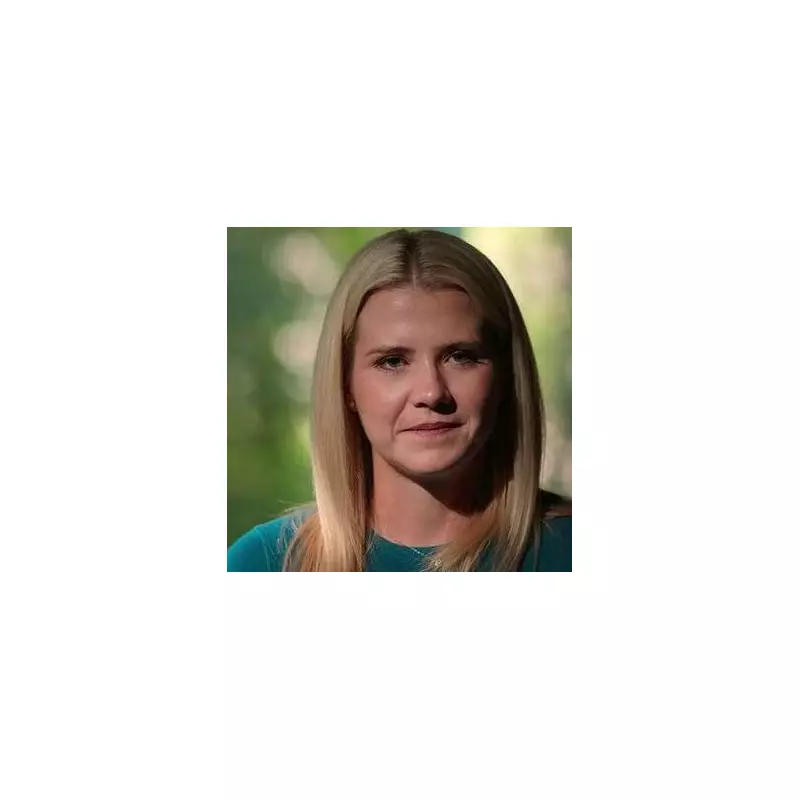
The harrowing true crime documentary Kidnapped: Elizabeth Smart has made its debut on Netflix, captivating audiences and prompting renewed questions about the survivor's life following her traumatic abduction over two decades ago.
A Disturbing Case Revisited
Netflix continues to dominate the true crime genre, and its latest offering delves into one of the most disturbing abduction cases from 24 years ago. The documentary provides a detailed examination of the events that shocked the nation.
The Night of the Abduction
In June 2002, 14-year-old Elizabeth Smart was taken from her bedroom in Utah during the night. Her younger sister, Mary Katherine, witnessed the terrifying event in silence. The kidnapper, later identified as Brian David Mitchell, along with his wife Wanda Barzee, held Elizabeth captive in a mountain tent for nine months.

During her captivity, Elizabeth endured daily rape and psychological manipulation. Mitchell and Barzee attempted to justify their horrific actions through a twisted interpretation of religious doctrine, claiming divine instruction for their crimes.
The Break in the Case
The crucial breakthrough came when Mary Katherine recognised the kidnapper's voice as belonging to Mitchell, a homeless street preacher who used the name Emmanuel. Mitchell had previously done work on the Smart family home, revealing how he first encountered his victim.
Life After Rescue
Following the conviction of Mitchell and Barzee, Elizabeth Smart embarked on a remarkable journey of recovery and transformation. Despite enduring unimaginable trauma, she has dedicated her life to helping others facing similar challenges.
Educational Pursuits and Foundation Work
Elizabeth first attended Brigham Young University, where she studied music with a focus on the harp, an instrument she had played before her abduction. She subsequently established the Elizabeth Smart Foundation, a charitable organisation committed to combating sexual violence and exploitation through multiple approaches:
- Empowerment programmes for survivors
- Advocacy for policy changes
- Educational initiatives about prevention
- Support services for those affected by similar traumas
The foundation runs various projects, including trauma-informed Smart Defense sessions designed specifically for women, girls, and young people.
Policy Advocacy and Publications
Elizabeth has become a prominent advocate for child protection legislation, supporting measures including The Adam Walsh Child Protection and Safety Act and The National AMBER Alert system. Working alongside fellow abduction survivors and the Department of Justice, she helped produce a survivor's handbook titled You're Not Alone: The Journey From Abduction to Empowerment.
More recently, she published an inspirational book called Where There's Hope, which explores the process of healing from trauma and finding resilience after devastating experiences.
Personal Life and Family
Now 38 years old, Elizabeth met her husband, Matthew Gilmour, while serving a mission for The Church of Jesus Christ of Latter-day Saints in Paris in 2011. The couple married the following year and have since welcomed three children. The family of five now resides in Wasatch County, Utah.
In a 2012 interview with People magazine, Matthew spoke about what attracted him to Elizabeth, stating: "I got to know her as she truly is. The thing that attracted me the most to her - at the beginning and now - is how confident she is, especially considering everything she has been through."
The documentary Kidnapped: Elizabeth Smart serves as both a testament to human resilience and a reminder of the ongoing work needed to support survivors of abduction and sexual violence. It is currently available for streaming on Netflix.