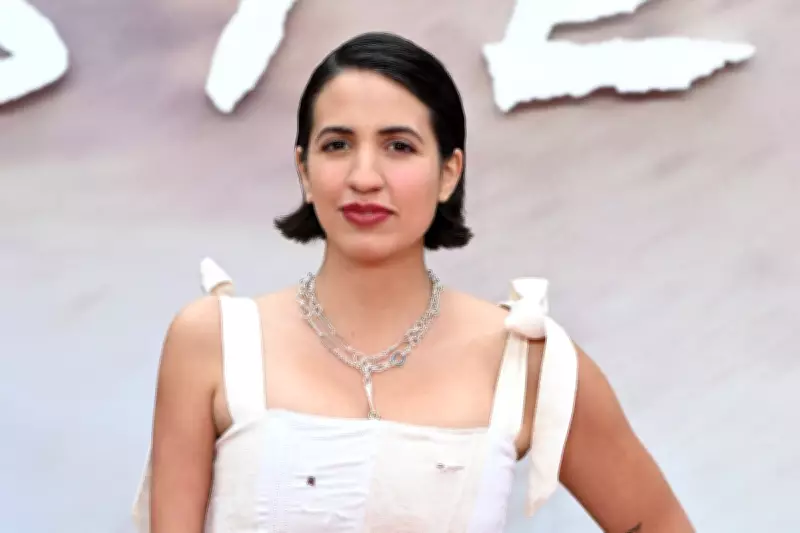
Spanish-American singer-songwriter Victoria Canal has spoken candidly about the pervasive misogyny and exploitation she experienced early in her music career, urging the industry to create safer environments and end a culture where victims are told to "bite your tongue and not complain."
Reflecting on Vulnerability and Lack of Awareness
"I've looked back and realised how much of what I went through was due to a lack of awareness and education," Canal, 27, told The Independent. "It really matters to me to raise awareness and be vocal about the fact that young people in particular are vulnerable. It’s pretty easy to bite your tongue and not complain, to feel lucky to be an artist… but if you grin and bear it, a lot of people will take advantage of that."
Youth Music Report Exposes Widespread Issues
Canal's comments follow a December 2025 report by Youth Music, the UK's leading charity supporting young people in the industry, which exposed widespread unsafe environments, low or zero pay, and a culture of discrimination and silencing – particularly affecting women, LGBTQ+ individuals, disabled creatives, and working-class artists.

The report found that 72 percent of those polled had felt unsafe in a music industry working environment, 90 percent had been paid unfairly for their work, and 75 percent had considered abandoning their ambitions due to unsafe or unfair conditions.
Personal Account of Alleged Abuse
Last year, Canal posted a detailed social media account describing what she called a years-long abusive relationship with a much older and "powerful" figure in the music industry, who had helped launch her career after discovering her at age 19. While she did not name the alleged abuser, musician Michael Franti of Michael Franti & Spearhead issued a statement admitting to infidelity in his marriage while denying allegations of sexual abuse and grooming.
Franti insisted his relationship with Canal was consensual but said he took "full accountability for not better recognising the power imbalance, as she was younger than me, and I was the headliner on tour."
Isolation and Fear in the Industry
Canal claims that "everyone else" on the tour was aware of her situation but had signed NDAs and feared losing their jobs. She described having no one to turn to: "When you don't have any family or friends in the industry, nobody knows what the standard is. So then everyone's just like, ‘It's amazing you have a job in music. Maybe you should just try to keep your head down and keep your job.’"
Lack of Infrastructure and Professionalism
Canal echoed a 2024 report comparing the music industry to "the wild west," citing the absence of formal procedures for complaints about fair pay, sexual harassment, or discrimination. "There’s no infrastructure whatsoever," she said. "You're just jumping in a van or a bus and hoping for the best. It’s a social experiment that lasts months on end, 24 hours a day with people that you might not really know at all."
While noting she had "amazing" tour experiences, Canal added, "But there’s a lack of professionalism – everything’s made up as you go along."
Youth Music's Findings and the RAYE Effect
Carol Reid, programme director at Youth Music, said Canal's experiences mirror what the organisation hears from young people nationwide. "Too often, exploitation and inequality are commonplace for young people trying to break into music, and marginalised young people are suffering the biggest impact," Reid stated.
"We’re seeing what we’re calling ‘The RAYE Effect’, where an increasing number of young people and artists alike are speaking out following in the footsteps of established artists like RAYE."
RAYE's Influence and Advocacy
RAYE made headlines in 2021 by accusing her record label, Polydor, of refusing to release her debut album. After parting ways with the label, she released her Brit Award-winning album My 21st Century Blues. The pop star, born Rachel Keen, has since used her experiences to campaign for better rights for musicians and songwriters.

Calls for Industry-Wide Change
"It's vital that the industry listens to this," Reid emphasised. "Real change will come from the whole music community working together and moving from a place of quiet acceptance toward a culture of shared responsibility. We hope this report gives people the confidence, clarity and practical steps they need to help create safer, fairer working environments for young creatives."
The conversation highlights an urgent need for structural reforms to protect vulnerable artists and ensure equitable practices across the music industry.