The Chelsea Flower Show is increasingly embracing a sustainable legacy, with gardens designed for relocation and repurposing after the event rather than being dismantled. The Royal Horticultural Society (RHS) actively champions this approach, and since 2022, Project Giving Back—funded by anonymous philanthropists—has mandated relocation for charity gardens. This requirement was extended to all gardens from 2023, ensuring that the beauty and purpose of these creations endure long after the show concludes.
From Showground to Community Haven
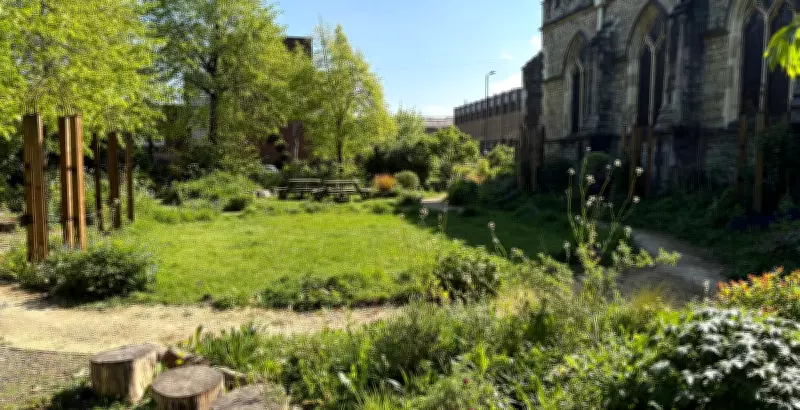
These relocated gardens find new homes in diverse settings, including hospitals, health services, charity organisations, community growing spaces, and areas dedicated to nature. Often, they transform previously underutilised sites into vibrant, therapeutic environments. For instance, Core Arts, a mental health charity in London, received a Chelsea garden that significantly kickstarted their community garden project. This space now provides a therapeutic haven for skill development, social connection, and engagement with nature for its service users, many of whom face significant mental health challenges.
Transforming Lives Across the UK
Further examples of this impactful initiative include the Down’s Syndrome Scotland garden, destined for Palacerigg Country Park, where it will support people with learning disabilities. Similarly, the Mind-in-Furness garden has transformed a derelict site into a vital therapeutic hub for mental health support in a deprived area. These gardens not only enhance local environments but also offer tangible benefits for mental wellbeing, providing calm, green spaces for reflection, therapy, and community bonding.

The RHS emphasises that this sustainable approach ensures the show's contributions have a lasting positive impact, particularly in areas that need them most. By repurposing these gardens, the Chelsea Flower Show is helping to boost mental health, foster community spirit, and promote environmental stewardship across the UK.