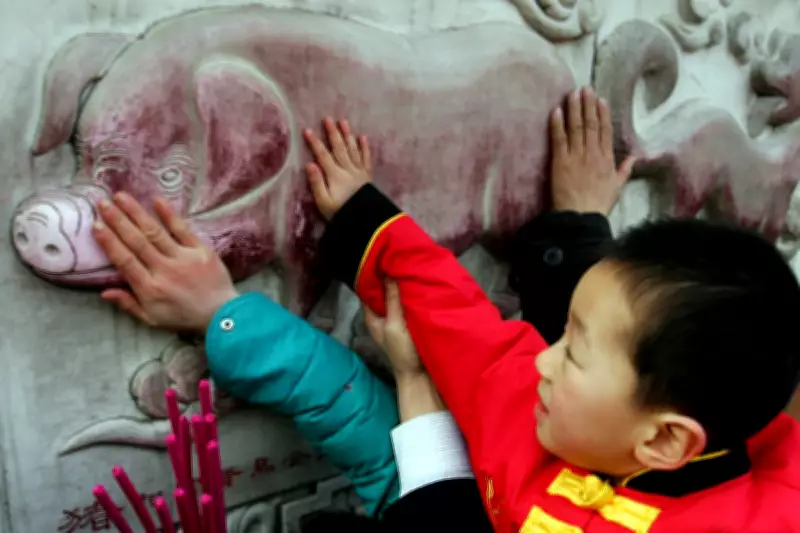
As China celebrates Lunar New Year with temple visits and traditional prayers, the spring festival brings a host of customs aimed at sweeping away the old and welcoming good fortune. According to long-standing traditions, certain activities are avoided to prevent bad luck, such as refraining from sweeping or washing hair on the first day of the new year. Additionally, cutting hair is discouraged for the first 15 days, while wearing red is encouraged for good luck, and black and white clothing is typically avoided to ward off misfortune.
Key Practices to Sidestep Misfortune
Beyond personal grooming taboos, Lunar New Year customs extend to social and financial behaviors. It is considered unlucky to engage in arguments, lend money, or take out rubbish during this period, as these actions are believed to risk losing the incoming good fortune. These practices are deeply rooted in Chinese culture, emphasizing harmony and prosperity as central themes of the festival.
Personal Reflections on Tradition
Growing up in a Chinese family in Singapore, author Karen Gray experienced many of these traditions firsthand. Her upbringing included rituals such as eating vegetarian food during new and full moons and showing deep respect for food as a blessing. These experiences shaped her understanding of the cultural significance behind Lunar New Year customs, highlighting how they foster a sense of community and spiritual well-being.

The Rise of 'Chinamaxxing' and Cultural Appreciation
Recently, Ms Gray has observed the 'Chinamaxxing' trend, where individuals from diverse backgrounds embrace Chinese culture. Initially, she felt uncertain about this movement, questioning whether it bordered on cultural appropriation. However, upon reflection, she now views it as a positive celebration that can promote greater appreciation for Chinese heritage. By embracing her identity as a 'Chinese auntie,' Ms Gray underscores the importance of food and wellness in Chinese culture, hoping that such trends encourage a deeper exploration of Chinese history, culture, and diaspora.
In summary, Lunar New Year traditions offer a rich tapestry of practices designed to attract good luck and avoid misfortune, while contemporary trends like 'Chinamaxxing' open doors for broader cultural engagement and understanding.