Lily Allen's West End Girl Album Gives Voice to Non-Monogamy Fallout
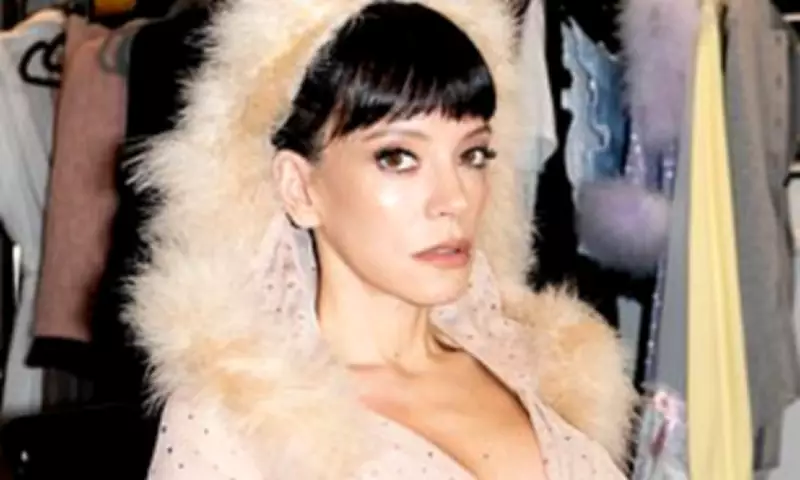
Lily Allen has opened up about how her latest album, West End Girl, provides a platform for individuals who feel pulled into non-monogamous relationships without their consent, a topic she claims is seldom discussed in mainstream culture. The chart-topping record marks Allen's musical comeback after a seven-year hiatus and was produced in a remarkably short ten-day period, following her painful separation from ex-husband David Harbour in December 2024, which was reportedly triggered by his alleged infidelity.
Addressing the Emotional Fallout
In a recent interview ahead of her festival performance at next month's Mighty Hoopla, Allen explained that discussing non-monogamous relationships within heterosexual circles remains relatively new and underexplored. She noted that while such arrangements have a longer history in the LGBTQIA+ community, pop culture often fails to reflect the emotional consequences.
"We tend to hear the success stories — the positive, well-packaged versions — and that’s great for the people they work for," Allen stated. "But there are also people on the other side of it, who don’t feel comfortable or feel pulled into something they didn’t choose." She believes her album resonates because it gives voice to these overlooked experiences.

Lyrics and Personal Revelations
The album, released without prior announcement and described as a brutal, tell-all masterpiece, delves into the complexities of Allen's four-year marriage through 14 candid tracks. The lyrics suggest the couple had an open arrangement with specific rules, such as discretion, involvement with paid strangers, and avoiding emotional connections—rules Harbour allegedly violated.
In the standout track Madeline, Allen appears to confront Harbour's infidelity with a mystery woman, given the fictional name Madeline. The song includes pointed lyrics and spoken interludes where Madeline insists the relationship was purely physical, claiming Harbour had Allen's consent. However, Allen's verses express doubt and betrayal, highlighting the emotional turmoil.
Background of the Split
The Daily Mail identified the real-life inspiration for Madeline as costume designer Natalie Tippett, who met Harbour, 16 years her senior, during the filming of We Have A Ghost in 2021. Their affair reportedly began soon after, continuing even after production ended, with Harbour flying Tippett to his Atlanta home without Allen's knowledge.
Allen discovered the infidelity after finding Harbour's profile on the celebrity dating app Raya, leading her to join the app herself to investigate. In an October interview with The Times, she hinted at breached boundaries in their relationship, noting how dating apps can facilitate dishonesty by making partners seem disposable.
Personal Struggles and Recovery
Ten months before West End Girl's release, Allen's mental health declined significantly post-split, driving her to seek professional help. After returning to her marital home in New York, she felt triggered by thoughts of Harbour with another woman, prompting an early entry into a residential rehab program. There, she underwent intensive therapy to process her emotions.
Allen's candid exploration in West End Girl not only marks her artistic return but also sheds light on the often-hidden emotional costs of non-monogamous arrangements, offering a raw and honest perspective rarely seen in popular music.