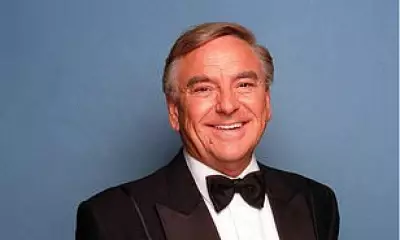
The music world is mourning the loss of Chris Rea, the singer-songwriter whose distinctive, gravelly voice gave us the Christmas classic Driving Home for Christmas and the iconic hit The Road to Hell. The principled and passionate artist, who was often at odds with the music industry's commercial demands, has died at the age of 74.
A Refusenik from the Start
Despite achieving fame with a string of slick, adult-oriented rock (AOR) hits, Chris Rea's relationship with his own success was famously fraught. His career began with the 1978 transatlantic hit Fool (If You Think It's Over), which earned him a Grammy nomination for Best New Artist (he lost to Billy Joel). Yet, in a move that would become characteristic, Rea later announced he "despised" the song, feeling it was not a true reflection of himself.
This friction with the industry machine started early. His debut album was pointedly titled Whatever Happened to Benny Santini? after his record label suggested he adopt a stage name. He consistently protested that producers made his music too "glossy and smoothed-out." Even at the height of his fame, he resisted the trappings of stardom, declining to tour America extensively after 1989's The Road to Hell became a success and turning down an appearance on MTV Unplugged because he found it too middle-of-the-road.

The Pivot to Passion: A Lifelong Love for the Blues
A life-threatening illness in the early 2000s proved to be a profound turning point. During his recuperation from a major operation that left him without a pancreas and in permanently poor health, Rea had an epiphany after rediscovering an old Sister Rosetta Tharpe album. This ignited a fierce desire to pursue the raw blues music he had always loved.
When his label rejected his gritty 2002 blues album Dancing Down the Stony Road—preferring he make a commercial duets album—Rea walked away from his deal. He set up his own record company to self-release the music he wanted to make, a move he described as "everything Chris Rea was meant to be." This was no passing phase. He followed it with projects like the ambitious Blue Guitars box set in 2005, which spanned 11 CDs and 137 tracks, cementing his late-career dedication to the genre.
The Legacy: Slick Hits and Spirited Curveballs
While he could be dismissive of his earlier commercial work, Rea's talent for crafting perfect AOR pop was undeniable. Songs like Josephine, On the Beach, and All Summer Long remain beautifully written soft-rock staples. Furthermore, his hit-making albums often contained surprising left-turns that hinted at his broader tastes.
The eerie, five-minute dark ambient synth opening of The Road to Hell (Part One) contrasted sharply with the hit single that followed. The eight-minute, menacing Hired Gun closed his breakthrough album Shamrock Diaries. Even within the slick production of the 80s, tracks like Bombollini showcased an ethereal funk, and a French remix of Josephine became an unlikely Balearic club anthem.
Chris Rea's career was a testament to artistic integrity over easy commercialism. He found fame "really annoying" and never understood celebrity culture. His journey from Grammy-nominated pop-rock star to a self-released blues purist may have confounded some fans, but it ensured his music remained, uncompromisingly, his own. He is survived by a rich catalogue that captures both his knack for a timeless melody and his spirited, passionate soul.