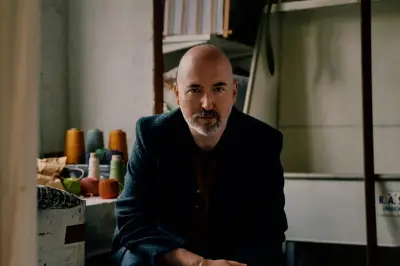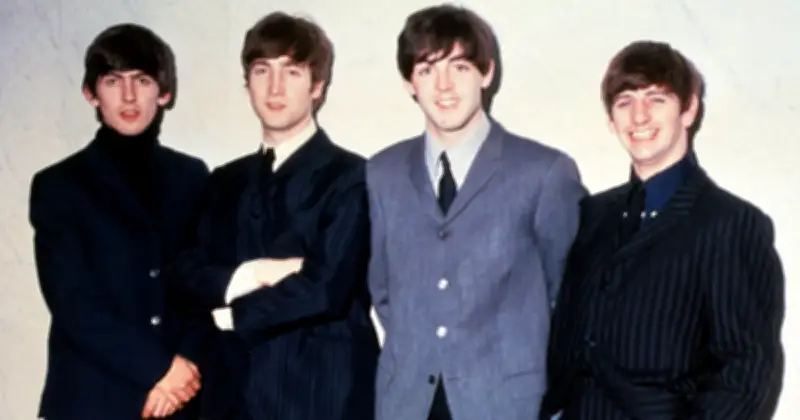
Phil McDonald, the Grammy-winning recording engineer who worked on some of The Beatles' most acclaimed albums, including the White Album and Abbey Road, has died at the age of 80. Abbey Road Studios confirmed the news in a tribute on its website.
Abbey Road Studios Pays Tribute
In the tribute, Abbey Road Studios said: "We're saddened to announce the passing of the wonderful Phil McDonald. Phil was a highly skilled, deeply trusted, and much-loved engineer who started working here in 1964 at the age of eighteen. A man who went on to become one of the few credited on the back cover of Abbey Road, he started out in our tape library and worked in the cutting rooms before making the transition to tape op, and soon, balance engineer."
The tribute continued: "His first session with The Beatles is documented as 17 June 1965 for Yesterday. The following years working on Revolver, Sgt. Pepper's Lonely Hearts Club Band and The White Album, he would've been trained up by the likes of Geoff Emerick and Ken Scott before taking a central role in the recording of Abbey Road. Phil's philosophy was always to get as close as possible to recording the true sound he heard in the studio."
A Career Spanning Solo Beatles and Beyond
"Transitioning to Apple Records around 1971 and through 1974, Phil worked with all four Beatles on their first solo projects, before lending his talents to some of the world's biggest artists including Eric Clapton, Harry Nilsson, Deep Purple, Squeeze and Roy Orbison," the statement read.
"Across his career Phil contributed to some of the most influential albums of all time: All Things Must Pass, Imagine, McCartney I, The Madcap Laughs, Plastic Ono Band, Deep Purple In Rock, Layla and Other Assorted Love Songs, Living In The Material World, A Little Touch of Schmilsson in the Night, Traveling Wilburys Vol.1, Mystery Girl and so many more."
The tribute recalled how they welcomed "him back to the studios last year for a look around his old home," describing it as "a moment we all treasured." It concluded: "Phil had a fantastic sense of humour, a quiet calm and a clear passion for recording and music. He is remembered by his wife Sandra, his past colleagues and friends, and so fondly by all of us here at Abbey Road. Thanks Phil. Rest in peace."
Legacy and Recognition
Phil McDonald joined the studio in 1964 when it was still known as EMI Studios. After working on Yesterday, he was in a privileged position when Paul McCartney debuted the track to an audience of just Phil and producer George Martin.
According to the book Recording The Beatles, he worked on 20 percent of The Beatles' entire EMI output over the years. He single-handedly captured nearly all of Revolver, as well as sessions for Strawberry Fields Forever and Penny Lane. After making the move to Balance Engineer, he recorded nearly every session of Abbey Road either solo or in collaboration with engineer Geoff Emerick, later taking home a Grammy Award for Best Engineered Recording for the album.
When The Beatles disbanded, he continued to work for the individual members after he was appointed Senior Balance Engineer at Apple Records in 1971. He worked on hit records including George Harrison's All Things Must Pass, John Lennon's Imagine, Paul McCartney's McCartney, and Ringo Starr's Sentimental Journey. In 1970, he collaborated with Eric Clapton on the iconic Derek and the Dominos record, Layla and Other Assorted Love Songs, and secured his second Grammy nomination in 1973 for his work on Harry Nilsson's A Little Touch of Schmilsson in the Night.
Among those paying tribute in the comments on the studio's Instagram post was George Harrison's widow Olivia, who wrote: "Dearest Phil. We had such amazing times. You and George spent years in the studio. Now making some other kind of music. RIP."