Andy Kershaw: A Life Dedicated to Music and Journalism
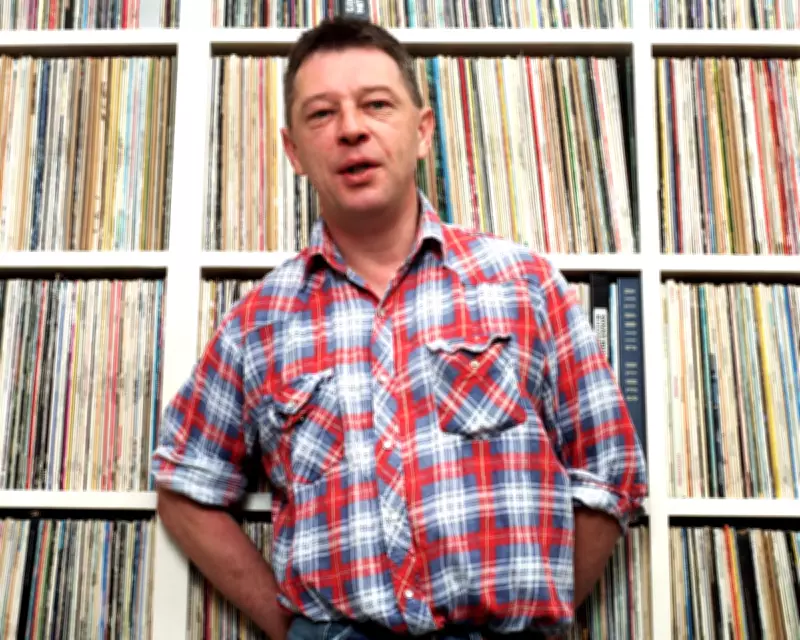
Andy Kershaw, the celebrated broadcaster who introduced world music to a mainstream audience on BBC Radio 1 and reported extensively from global conflict zones, has died at the age of 66 following treatment for cancer. His career spanned decades, marked by a passion for diverse musical traditions and fearless journalism from troubled regions.
Early Career and Radio 1 Breakthrough
Kershaw began his national broadcasting journey on television in 1984, joining the presenting team for BBC Two's Whistle Test, a programme focused on album music. The following year, he helped host the Wembley Live Aid concert on both television and radio. Shortly after, he launched a weekly evening show on Radio 1, initially on Saturdays before moving to Thursdays until 1989. His show featured not only recorded music but also live studio sessions, showcasing artists from around the globe.
In a 2012 interview with the Independent, Kershaw reflected on his early days at Radio 1, stating, "I think initially Radio 1 wanted another [John] Peel, but I got quickly bored of those awful, insipid demo tapes I was receiving from Liverpudlian indie acts, especially as I was beginning to discover properly fantastic, amazing music from Malawi, the Congo, South Africa." He shared an office with Peel and producer John Walters, whom he described as "my confidante, my adviser and my inspiration." However, Kershaw downplayed comparisons to Peel in his 2011 autobiography, No Off Switch, writing uncharitably about his colleague's reluctance for confrontation.

Global Reporting and Musical Exploration
Throughout his 15-year tenure at Radio 1, Kershaw travelled extensively to present music specials, from joining Elvis Presley memorial tours to exploring Zimbabwean music. The Times dubbed him "the BBC’s ubiquitous musical anthropologist." His work increasingly blended music with politics, such as a 1995 trip to South Africa to document post-apartheid society through its musicians.
Kershaw's reporting expanded to five BBC national radio stations. On Radio 4, he produced documentaries from Mali, Haiti, Rwanda, Angola, and Sierra Leone, covering topics from genocide to civil wars. On Radio 3, he co-presented World Routes with Lucy Duran from 2000 to 2006, featuring trips to Haiti and Iraq to explore local music scenes. After being dropped by Radio 1 in 2000, he successfully transitioned to Radio 3 with a weekly show from 2001 to 2007, becoming the only DJ to move between the two stations. His Radio 3 documentaries included visits to North Korea, Iran, and Turkmenistan, highlighting underground music cultures.
Personal Struggles and Later Career
Kershaw's career faced setbacks after his 2006 breakup with partner Juliette Banner. A restraining order led to legal issues, including jail time for breaches, as he sought to see his children. He experienced homelessness and turned to drink during this period. Despite these challenges, he returned to Radio 3 in 2011 for Music Planet and reported for BBC television's The One Show from 2012 to 2019.
Early Life and Background
Born in Littleborough, Lancashire, in 1959, Kershaw was the younger child of teachers Jack and Eileen Kershaw. His sister, Liz, also had a long career as a BBC radio DJ. At 14, he developed a lifelong passion for Bob Dylan after hearing Highway 61 Revisited. While studying politics at Leeds University, he served as entertainments secretary, booking acts like Iggy Pop and the Clash, but failed his degree due to his dedication to music. His first job was at Radio Aire in Leeds, where he presented alternative music and blues shows before moving to London in 1984 to work as Billy Bragg's driver and tour manager.
Kershaw's television work included presenting Travelog on Channel 4, and he contributed newspaper journalism, such as reporting on Thailand's Red Shirt protests for the Independent. He is survived by his children, Sonny and Dolly, and his sister.