AI Country Hit 'Walk My Walk' Tops Charts, Sparks Ethics Debate
AI-Generated Country Song Tops Billboard Chart

A song created by artificial intelligence has reached the number one spot on Billboard's country digital song sales chart, igniting a fierce debate about creativity, copyright, and racial dynamics within the music business.

The Uncredited Blueprint

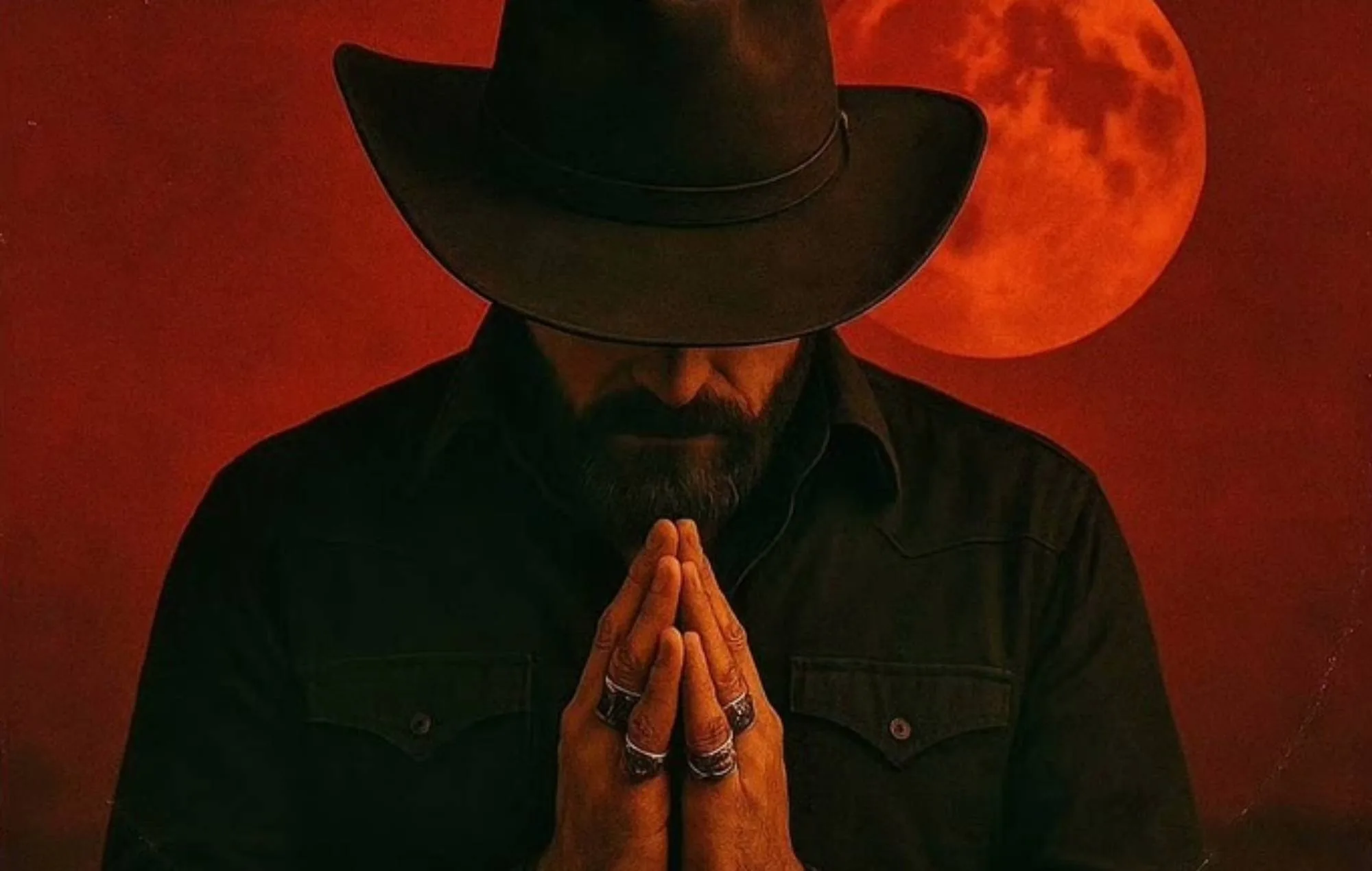
The track, titled “Walk My Walk,” is credited to a fictional artist named Breaking Rust—a white, digitally generated avatar that appeared just two months ago. However, the core musical identity of the hit, including its vocal phrasing, melodic shape, and overall style, was directly modelled on the sound of Grammy-nominated country artist Blanco Brown.

Brown, a Black artist known for his 2019 country-rap crossover hit “The Git Up,” was completely unaware his vocal signature had been used. “I didn’t even know about the song until people hit me up about it,” Brown revealed. “My phone just kept blowing up. Somebody said: ‘Man, somebody done typed your name in the AI and made a white version of you. They just used the Blanco, not the Brown.’”

Behind the AI Hit

The credits for the gritty, chant-heavy song list Aubierre Rivaldo Taylor as both songwriter and producer. Taylor is also linked to Defbeatsai, a series of explicit, AI-generated country artists that gained notoriety on social media last year. This digital ecosystem connects back to Abraham Abushmais, a former collaborator of Brown’s who co-wrote songs on his 2019 album.

Abushmais is listed as the developer of Echo, an obscure AI music generator app promoted on a Defbeats.ai Instagram page. Brown stated he was not notified of their involvement and has lost contact with his former collaborator. “Abe’s number changed,” Brown said. “We used to talk. I ain’t heard from him in a year or two.” The Associated Press attempted to contact Abushmais for comment but received no response.

Cultural and Ethical Reckoning

For Brown, the situation is particularly jarring. “It’s a white AI man with a Black voice,” he observed. “And he’s singing like a Negro spiritual.” He sees it as a reflection of a pattern in Nashville where innovation from Black artists is often co-opted. “(Race) is an understatement in Nashville,” he stated.

In response, Brown has taken decisive action. He has already recorded and released his own cover of “Walk My Walk” and is planning to release a reworked derivative with new lyrics. His management says this is a direct challenge to the legal and ethical void surrounding AI-generated music.

An Industry Scrambling for Answers

The success of “Walk My Walk” signals that AI music has evolved from an online novelty to a commercial disruptor. “We are entering a very strange and unprecedented period of both creation and industry,” said Josh Antonuccio, director of the Ohio University Music Industry Summit. “AI has essentially democratized the act of music creation itself.”

This democratisation, however, has occurred without safeguards. Major record labels have sued leading AI music generators Suno and Udio, accusing them of training their models on copyrighted recordings without permission. Some labels are now shifting from litigation to negotiation. Universal Music Group recently settled with Udio, and Warner Music Group announced a “first-of-its-kind” partnership with Suno to develop licensed AI music that compensates artists.

Despite these developments, educators stress that AI cannot replicate the essence of human artistry. “There’s an energy between an artist and an audience that happens in real time that you can’t see but you can feel,” explained Shelton Berg, dean of the University of Miami’s Frost School of Music. “We are so many light years away from that happening in an AI environment.”

Brown insists he is not anti-AI, but the incident has reinforced his belief in the enduring power of authentic artists. “Real artists are always going to prevail,” he affirmed. “Purpose lives where greed can’t.”