The Sentinels, a new eight-part series adapted from the French comic book by Enrique Breccia and Xavier Dorison, delivers a thrilling blend of alternate history and sci-fi. Set during World War I, it imagines a secret French army experiment creating super soldiers through a dangerous serum. The show premieres on BBC Four and iPlayer.
A Fresh Take on Alternate History
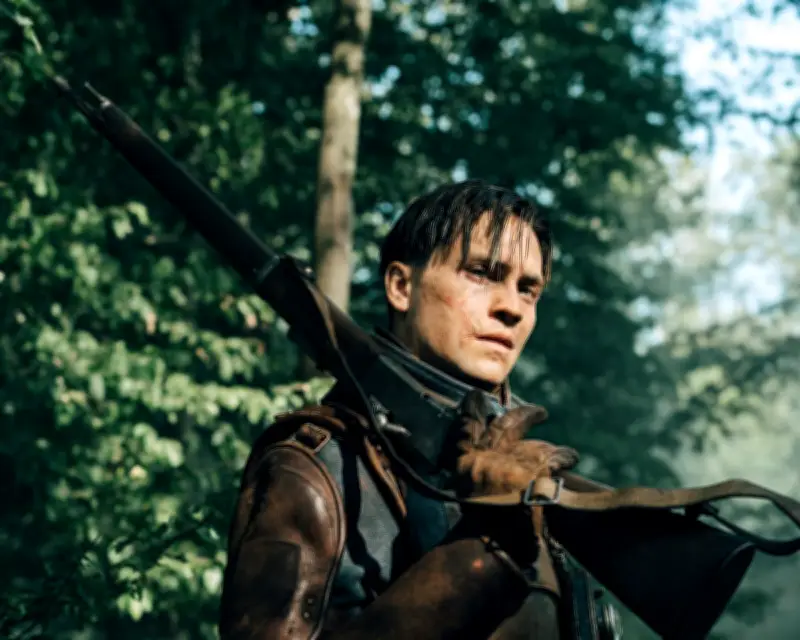
Unlike many alternate history shows that rely on well-worn premises, The Sentinels carves its own path. It combines steampunk aesthetics, post-apocalyptic action, and a distinctly Gallic sensibility. The story follows Gabriel Ferraud (Louis Peres), a half-dead soldier plucked from the 1915 battlefield and injected with an experimental serum in a top-secret lab. The procedure triggers a seizure, but the French scientists face a greater threat when Germans attack to steal their research, killing one of the programme's masterminds.
Complex Characters and Multiple Plots
Gabriel, played by Peres with a mix of steeliness and unease, is desperate to reunite with his wife Irène (Olivia Ross) and their infant son. However, he is essentially a prisoner—if he rebels, he will be branded a deserter. Meanwhile, the serum causes his cells to mutate, worrying Dr. Marthe (Pauline Étienne). Irène, a journalist, investigates her husband's disappearance and Colonel Mirreau's (Noam Morgensztern) secrecy about soldier deaths. Her path crosses with The Baron (Ouassini Embarek), a nightclub owner involved in shady war-adjacent dealings. Marthe, who harbors reservations about her employers, uncovers a more secretive precursor project called Project Atlas.

Balancing Mystery and Resolution
The Sentinels succeeds by building intrigue while providing answers to its questions, avoiding the frustrating mystery box trope common in sci-fi. The BBC's press release notes a "Frankenstein-ian level of depth and empathy", which becomes evident as the series unfolds. It tells two simultaneous wars: the global conflict of WWI and the internal battle within Gabriel as the serum causes mounting mental distress. The ethical dimension, reminiscent of Mary Shelley, persists when Marthe is also tasked with experimenting on a death-sentenced woman.
Flaws and Strengths
The series has its flaws, including heavy reliance on sci-fi tropes and occasional shoot-’em-up sequences that feel like video game cut scenes. However, it remains exciting and propulsive, proving that television can move beyond recycled franchises and tired intellectual property. The final brutal scene all but ensures a second season, avoiding a neat, happy conclusion. As the review notes, "alternate histories might play with the horrors of the past, but they don’t always outrun reality."