
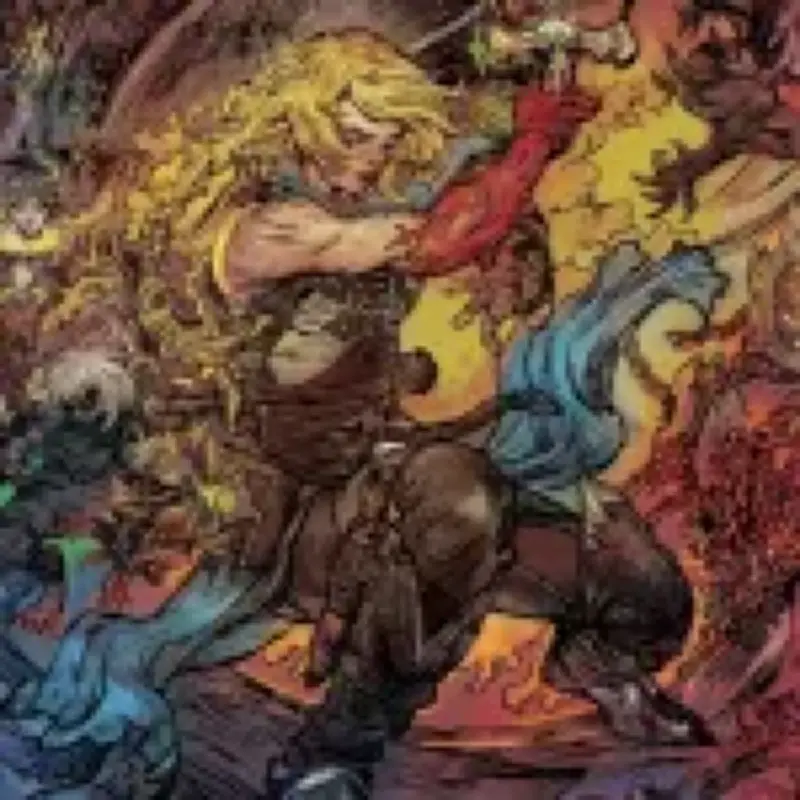
Castlevania: Belmont's Curse, the first new entry in the long-running series in over a decade, has been released by Konami. The game is a low budget, mid-priced 2D title that could easily be mistaken for one of the many indie homages to the genre it helped establish. Despite its limitations, it is still a fairly good game, scoring 7/10 in our review.
A long-awaited return
Konami has faced criticism for its reluctance to produce a new Castlevania game, especially given the success of the Netflix animated series. The last new entry was released in 2014. The Metroidvania genre, which the series popularised alongside Nintendo's Metroid, is more popular than ever, with many indie games riffing on the concept. This may have made it difficult to create something that stands out without a significant investment of time and money.
The first new Castlevania in over a decade is a low budget, mid-priced 2D game. It is nowhere near as good as Metroid Dread, the first new 2D entry in a long time for the other founder of the genre. Its budget is clearly smaller – it can't even afford a proper animated intro – and while both games emphasise a lack of handholding, Belmont's Curse gets the balance wrong, with an awful lot of aimless wandering around.
Gameplay and influences
The game is set in Paris, and the biggest influence is PS1 classic Symphony Of The Night. The nods and references aren't too obnoxious, although when a certain castle enters the story, developer Evil Empire, who made The Rogue Prince Of Persia and later helped with Dead Cells, can't stop themselves from re-running all the most famous areas and remixes of familiar tunes.
Belmont's Curse isn't excessively difficult, but there is a clear Soulslike influence, in terms of respawning enemies and potions when you visit a save point, an often long walk to a boss battle (which are always very unforgiving), and an emphasis on parrying in battle. The best part of the game is definitely the combat and traversal, with the latter in particular resulting in some very enjoyable 2D platforming that plays out like a less extreme version of Super Meat Boy or Celeste.
Exploration and progression
Getting around the large, open world map is fairly easy, since you can wall jump and use your whip to swing around on hooks, but the game often stops for what are essentially platform puzzles that require careful planning and clever use of all your abilities. These are often optional, to retrieve one of many hidden weapons or buffs, but always very rewarding.
The game is an action role-player, but all you do is automatically level up and there are no skill trees and only two stats. However, there are a lot of buffs, called talismans, to collect, which allow you to customise your abilities to some degree by giving attack or defence bonuses or doing things like increasing the efficiency of health potions.
Where to go is a big question though. Rose, the new character, comes equipped with a set of tarot cards, each of which represents a boss in the game and, once you defeat them, grants a special move. Before you get to that point, you have to collect clues associated with each card, which give hints as to where the boss is or how to reach them. It's a neat idea, but the game doesn't make it clear that this is the only way to proceed, and you can easily spend hours exploring previously unvisited areas of the maps without making any actual progress.
Verdict
No doubt Konami is trying to reestablish the game's hardcore credentials, but while there are small innovations here, if it wasn't for the name this wouldn't particularly stand out above the morass of other similar indie games. But it's sensibly priced, and the quality is above average for the genre, so given the limitations of the budget, this is still a fairly encouraging return.
We wish the art style was more distinctive, with both it and the soundtrack lacking the overblown gothic charm of the older games. Nevertheless, it's a fine restatement of the series' qualities. Castlevania helped to establish the formula, but if it's going to have a future as a major franchise, it needs to help evolve and move that formula forward. A bigger budget 3D game seems the obvious way, but for now the more modest ambitions of this revival will have to do.




