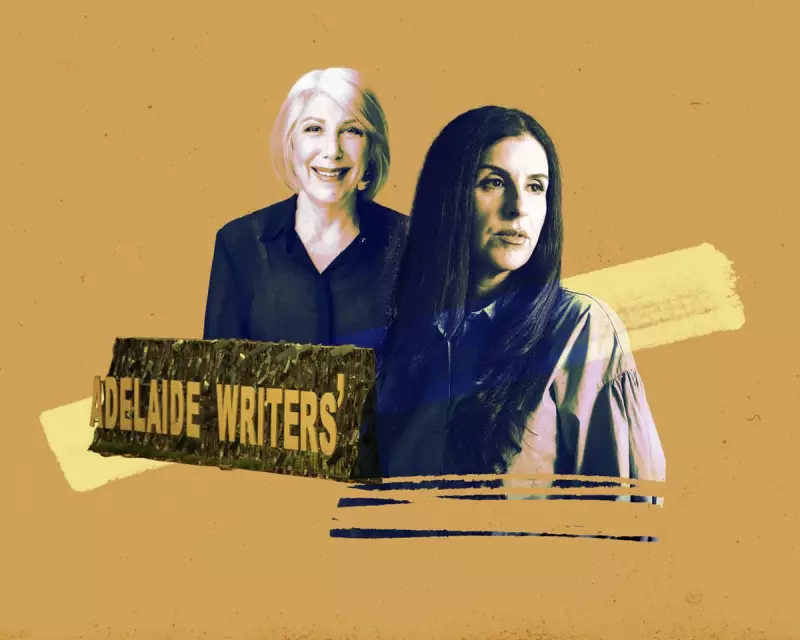
What began as a quiet programming dispute in Adelaide has culminated in the complete cancellation of the city's flagship 2026 Writers' Week, triggering institutional collapse, a global literary boycott, and a looming Supreme Court defamation battle.
A Festival Unravels: From Resignation to Boycott
The seeds of the crisis were sown in October 2025 with the resignation of key festival benefactor Tony Berg. A self-described Zionist, Berg accused the festival's leadership, particularly director Louise Adler, of pursuing a "blatantly one-sided" mission and "spewing anti-Zionism" through speaker selections. The inclusion of Palestinian-Australian academic and author Randa Abdel-Fattah in the 2026 lineup was, for Berg, a final "travesty."
The situation escalated dramatically in early January 2026. Following what he described as advocacy, South Australian Premier Peter Malinauskas successfully lobbied the festival board to withdraw Abdel-Fattah's invitation. The board cited community safety and social cohesion concerns, a decision Abdel-Fattah labelled "despicable" and an act of "blatant and shameless" anti-Palestinian racism.

The fallout was swift and severe. The progressive thinktank The Australia Institute withdrew its sponsorship. This sparked an international literary mutiny, with over 170 authors, commentators, and academics announcing a boycott. The list of high-profile withdrawals included former New Zealand Prime Minister Jacinda Ardern, British novelist Zadie Smith, Pulitzer winner Percival Everett, and Australian literary stars Helen Garner and Michelle de Kretser.
Boardroom Carnage and Institutional Collapse
Facing an inquorate board after a wave of resignations, Adler announced her own departure on 14 January 2026, stating her position was "utterly untenable" and she "cannot be party to silencing writers." With the boycott list growing and no functional board, the Adelaide Festival Corporation had no choice but to cancel the 2026 Writers' Week entirely.
The wreckage cleared the way for a legal confrontation. Abdel-Fattah's lawyers, Marque Lawyers, sent a defamation concerns notice to Premier Malinauskas. This followed his controversial "Bondi analogy," where he sought to justify Abdel-Fattah's exclusion by asking reporters to imagine a far-right Zionist committing a massacre in a mosque. Abdel-Fattah accused the Premier of linking her to terrorism, a claim she vehemently denies.
Aftermath and a New Era of Caution
A newly formed skeleton board, including former festival director Rob Brookman, moved quickly to apologise to Abdel-Fattah and offer her a spot at a future festival. They declared the 2026 event "tragically irretrievable." While Abdel-Fattah accepted the apology, her legal action against the Premier proceeds.
The scandal raises profound questions about artistic freedom, political interference, and social cohesion. The premier maintains his motivation was a desire for civil discourse, but the outcome has been the silencing of a major platform for intellectual debate. The city long proud of its radical, provocative festival culture now finds itself in a new, more cautious era, where the noisy pursuit of harmony has resulted only in the quiet of a cancelled festival.