Kim Kardashian has once again stepped into the spotlight wearing a traditional Japanese kimono, six years after facing intense backlash for attempting to trademark the garment's name for her shapewear brand.
A Stylish Return to Controversial Garments
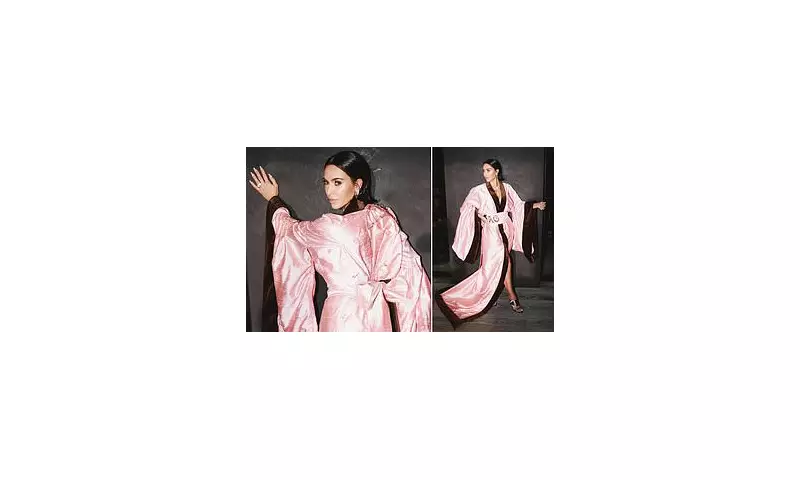
On Sunday evening, the 45-year-old reality television star shared a series of Instagram photos showcasing a bespoke baby pink kimono. She wore the garment for her acting role as fictional lawyer Allura Grant in the new Hulu series All's Fair, created by Ryan Murphy.
The silk kimono, featuring brown trim and the embroidered initials 'AG' on the waist, was styled in a revealing manner. Kardashian appeared to wear nothing underneath, fastening it to create a plunging neckline and a thigh-high slit, accessorised with strappy heels, diamond jewellery, and a retro bob hairstyle.

The Shadow of the 'Kimono' Brand Backlash
This sartorial choice carries significant historical baggage for the star. In September 2019, Kardashian co-founded her apparel brand with Emma Grede and Jens Grede under the name Kimono Intimates. The move sparked immediate global criticism for cultural insensitivity.
Many, including the Mayor of Kyoto, Daisaku Kadokawa, argued that trademarking 'Kimono'—a word representing a deeply symbolic 15th-century Japanese garment—for underwear was disrespectful. Critics highlighted that kimonos are traditional outerwear, not intimate apparel.
Initially defiant, Kardashian later relented after "careful thought and consideration." The brand was renamed SKIMS, which has since grown into a billion-dollar empire, partnering with Nike and becoming the official underwear partner of the NBA, WNBA, and USA Basketball.
A Pattern of Cultural Sensitivity Scrutiny
The 2019 kimono controversy was not an isolated incident for Kardashian. Earlier that year, in April, she was criticised for wearing a traditional Indian maang tikka to a church service. In June 2018, she faced similar backlash for wearing cornrow-style braids to the MTV Movie and TV Awards.
Her latest kimono appearance, while for a professional acting role, inevitably reopens conversations about cultural appropriation in fashion. It highlights the ongoing tension between artistic expression, commercial branding, and respect for cultural heritage—a debate that continues to resonate strongly in the UK and global fashion discourse.