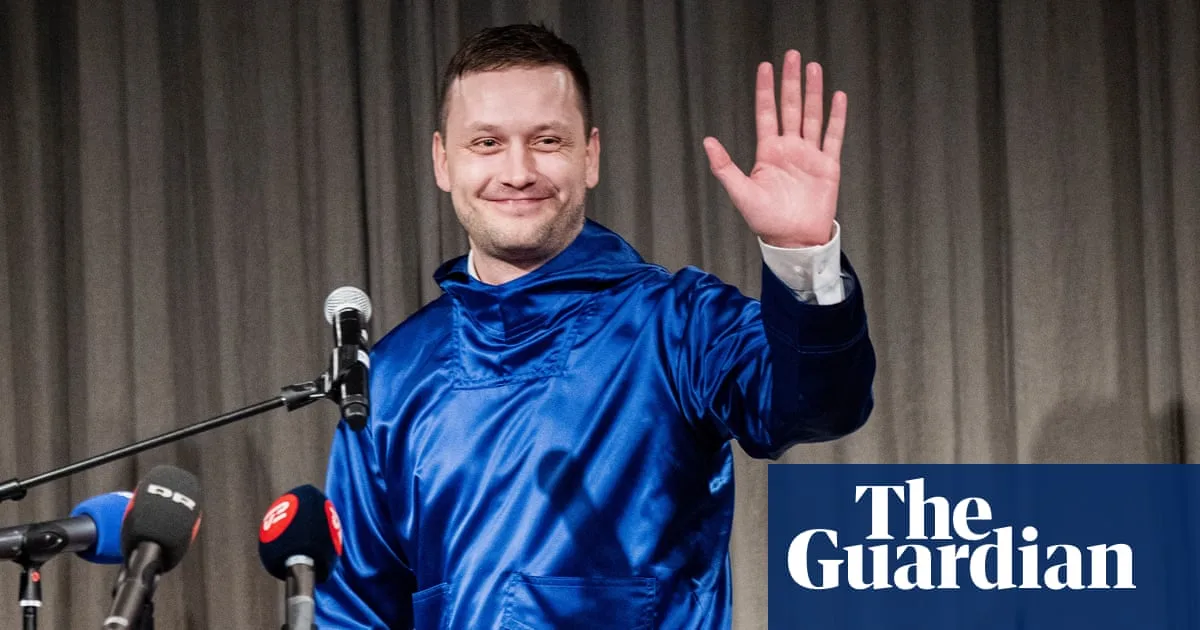
From Greenland's prime minister to Hollywood star Timothée Chalamet, the windbreaker has emerged as an unlikely symbol of the current era, signalling a shift from aspiration to realism in fashion and politics. Jens-Frederik Nielsen, Greenland's leader, wore a glacial-blue windbreaker during a joint press conference with Denmark's prime minister this week, as he rejected Donald Trump's stated desire to 'own' Greenland. The practical garment, a modern take on the Inuit anorak, took on a loaded message in the shifting geopolitical moment.
The windbreaker's resurgence has been fuelled by popular culture, particularly the press tour for the film 'Marty Supreme'. A $250 (£185) windbreaker, produced by LA-based luxury brand Nahmias in collaboration with A24 and actor Timothée Chalamet, became a cultural phenomenon. Worn by celebrities including Kendall and Kylie Jenner, Misty Copeland, Kid Cudi and Ringo Starr, the jacket sold out quickly and now resells for up to £16,000 on StockX. Searches for 'windbreakers' on Depop are up 60% in the past six months, while 'Marty Supreme' searches have soared by 1,475% in six weeks.
According to trend forecaster J'Nae Phillips, windbreakers 'sit at a very specific emotional crossroads: practicality, nostalgia and irony'. They align with a broader mood shift away from aspiration and toward realism, acknowledging that 'life is windy, unpredictable, and often a bit damp'. The garment's popularity also reflects a permanently 'in-between' climate moment, as Storm Goretti brings 99mph gusts to the UK. 'Windbreakers are designed for uncertainty,' Phillips notes.
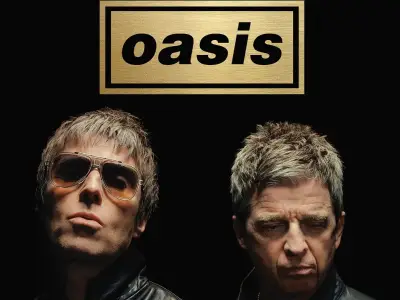
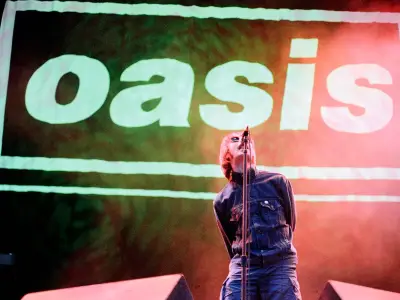
The trend has spread to the high street, with Zara offering a polka dot version, London-based Damson Madder producing several takes, and Cos and Ganni also featuring their own iterations. The outdoor specialist Berghaus reissued its 90s Trango jacket, fronted by a moody Liam Gallagher. As Daniel-Yaw Miller, a sports and fashion journalist, observes, 'Windbreakers are definitely having a moment in both menswear and womenswear,' driven by an emphasis on elevated style inspired by 90s sportswear and street fashion.