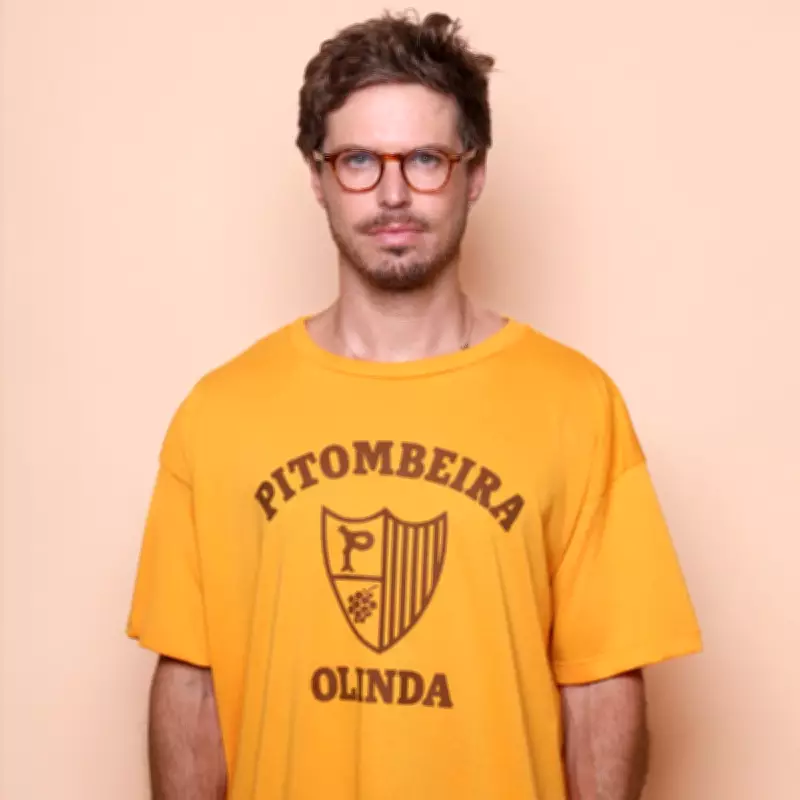
Vintage Carnival T-Shirt from Brazilian Film Sparks Political Fashion Frenzy
A simple vintage yellow T-shirt, glimpsed for just a few moments in Brazil's critically acclaimed political thriller, has unexpectedly become the country's hottest fashion item and a powerful symbol for progressive movements.
From Obscure Carnival Group to National Phenomenon
The garment was first produced in 1978 by Pitombeira dos Quatro Cantos, a traditional carnival group based in the historic coastal city of Olinda in north-east Brazil. For decades, the group sold just a few dozen shirts each month as modest souvenirs to support their carnival activities.
Everything changed when costume designer Rita Azevedo selected the shirt for actor Wagner Moura to wear in The Secret Agent, a film nominated for four Oscars and two Baftas that explores Brazil's brutal military dictatorship from 1964 to 1985.

Sales Explosion and Political Significance
Since the film's release in November and Moura's subsequent Golden Globe win for best actor, demand has skyrocketed. "We never expected so many people to be after it," said Matheus Camarotti, Pitombeira's communications director. "Dozens of new shirts arrive from the factory almost every day, and almost every day they sell out."
The sales figures tell a remarkable story:
- More than 10,000 shirts sold since November
- Compared to fewer than 3,000 in an entire year previously
- Both online sales and in-person visits to their headquarters have surged
The shirt has taken on particular political significance in Brazil's divided political landscape. Many see it as a progressive response to the appropriation of Brazil's green-and-yellow football shirt by far-right supporters of former president Jair Bolsonaro.
Even President Luiz Inácio Lula da Silva has received one of the shirts, adding to its symbolic weight as he prepares for re-election in October.
Cultural Roots and Economic Impact
The shirt's origins in Olinda connect it to Brazil's rich carnival traditions. The 489-year-old city, known for its brightly coloured colonial architecture, neighbours Recife in Pernambuco state and together they welcome 3.5 million carnival visitors annually.
Unlike Rio's famous samba parades, Pernambuco's carnival features frevo music - a rhythm rooted in Afro-Brazilian influences but shaped by military march rhythms, characterised by brass instruments and distinctive choreography involving jumps, crouches and colourful umbrellas.
For Pitombeira, the unexpected windfall couldn't have come at a better time. The group needs approximately £12,600 to fund their 150 members' participation in two annual carnival parades, traditionally relying on often-delayed local government support and modest souvenir sales.
Record T-shirt sales have already covered this year's parade costs, with funds accumulating for next year's celebrations. The shirts sell for about £8 on their website, though a licensed fancier version retails for £21 and pirated copies have begun appearing in street markets.
Film Connection and Cultural Exchange
Costume designer Rita Azevedo discovered the shirt during extensive research into 1970s Pernambuco photographic archives. In the film, Moura's character Marcelo - an academic hiding from the dictatorship - wears the shirt after taking refuge in a housing complex during carnival.
"He arrives there in the middle of carnival, so I believe the shirt was a gift given to him as a welcoming gesture from the longer-standing residents," Azevedo explained.
The group only discovered their shirt's starring role when they watched the film themselves. Azevedo expressed particular satisfaction that the film's success is directly supporting traditional Brazilian culture: "We borrowed these visual and aesthetic records, and being able to give something back in this way, knowing that the sales will ensure Pitombeira can put on its carnival, is priceless."
As Brazil approaches crucial elections and continues to grapple with its complex political history, this simple yellow T-shirt has become an unlikely but powerful symbol of cultural pride, political identity, and the unexpected ways art can transform everyday objects into national phenomena.