Is Netflix's Missing: Dead or Alive Scripted? The Truth Behind the True Crime Hit
Missing: Dead or Alive - Is the Netflix Show Scripted?

Netflix's gripping true crime series Missing: Dead or Alive has captivated audiences globally, but its cinematic style has left many viewers questioning its authenticity. The show's second season, which recently landed on the platform, follows the high-stakes work of a real missing persons unit, yet its polished production has sparked a lively online debate: how much of what we see is real?

The Viewer Debate: Documentary or Drama?

Since its release, Missing: Dead or Alive has consistently ranked in Netflix's global top 10, driving fans to forums like Reddit to dissect its format. A common thread of discussion centres on whether scenes are re-enacted or if the officers' dialogue feels scripted. One viewer commented on the platform, noting the show's quality made it hard to distinguish fact from reconstruction, while others pointed out the "cinematic equipment" and added voiceovers that differ from grittier series like COPS.

The four-part second season focuses on two intense cases: Shandon Floyd, last seen entering a car with an unknown man, and Morgan Duncan, who vanished from his flat without a trace. The series is led by Deputy Vicki Rains, a seasoned officer with the Richland County Sheriff’s Department in Columbia, South Carolina. As she starkly notes in the trailer, the grim reality of her work means not every missing person returns alive.

Behind the Scenes: Fact vs. Filmmaking

So, is Missing: Dead or Alive scripted? The core answer is that it is a factual series documenting genuine police work on real cases. In an interview for Conversations with Nicole following the first season's success in 2023, Vicki Rains emphasised the authenticity of the filming process. She stated that Netflix's crew simply followed her unit, instructing them to "do your job like we aren't here." Her goal was to accurately show the public the scale and seriousness of missing persons investigations.

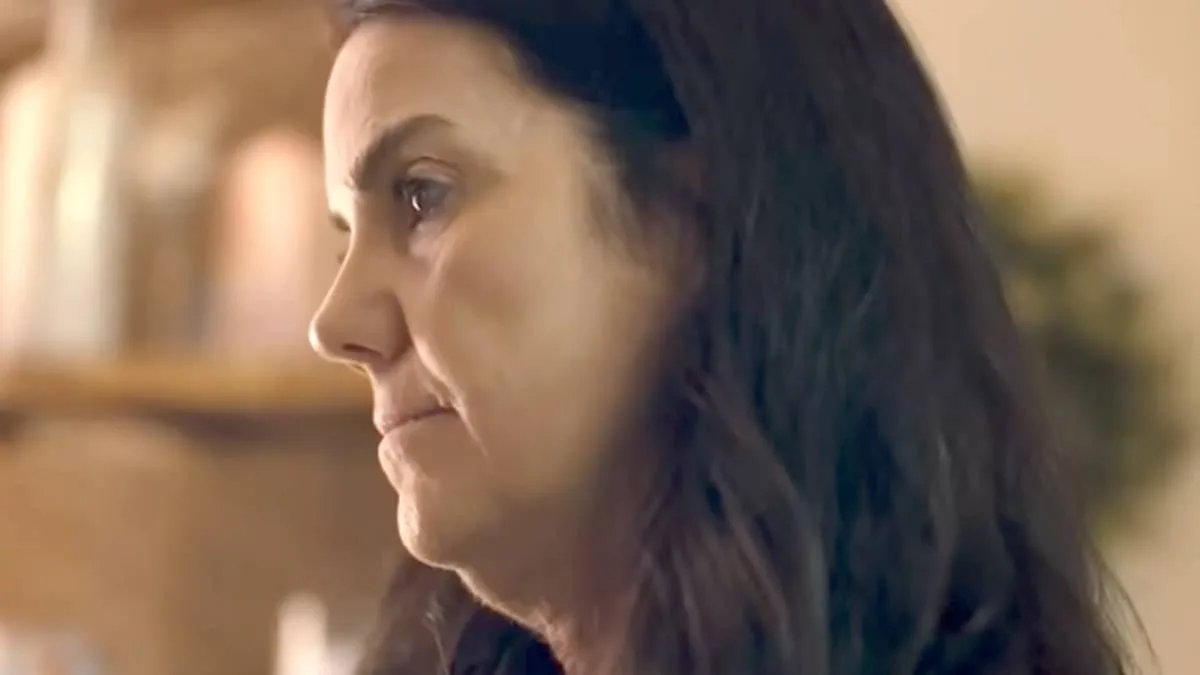
However, the show employs narrative techniques that elevate it beyond a simple fly-on-the-wall documentary. Scenes of Vicki at home or reflecting via voiceover, alongside the use of evidence boards, are woven in to provide storytelling structure and emotional depth. Award-winning director Alex Irvine-Cox, known for using cutting-edge technology, brings an immersive, cinematic quality to the production. This stylistic choice explains the show's distinct look compared to more raw, observational police programmes.

A True Crime Success Story

The series has proven to be a major hit for Netflix. The first season broke into the global top 10, a feat mirrored by the newly released second season. While the officers initially had reservations about how their work would be received, the public's response has been overwhelmingly positive. The show stands alongside other recent true crime offerings on the platform, such as The Perfect Neighbor and My Father, the BTK Killer.

Ultimately, Missing: Dead or Alive occupies a space between stark reality and compelling television. It features real cops solving real cases, but its presentation is carefully crafted for audience engagement. Any staging appears limited to supplementary scenes that aid narrative flow, rather than the core investigations themselves. As the series continues to stream and attract viewers, it highlights the challenging, often heartbreaking work of missing persons units while fuelling fascinating conversations about modern documentary-making.