New film uncovers mother's hidden Holocaust past and wartime secrets
Film reveals mother's hidden Holocaust identity and secrets

In a deeply personal and revelatory new documentary, journalist Marisa Fox has spent fifteen years unravelling the extraordinary and painful truths about her mother's past, which was shrouded in layers of deliberate fiction.

The Unravelling of a Fabricated Past

Growing up, Marisa Fox was captivated by her mother's tales of derring-do. The stories described a teenage spy working for a radical Jewish underground in British-run Palestine, smuggling bombs and guns in a heroic fight for independence. "I was a hero," her mother would insist, "never a victim." Yet, even as a child, Fox spotted inconsistencies, such as her mother's claimed age not aligning with the war's timeline. Her questions were always met with a firm "No more questions."

The mystery remained unresolved until her mother's death from colon cancer in 1993. The breakthrough came unexpectedly in 2010 during a conversation with a great-aunt suffering from dementia, who blurted out: "Your mother had a hidden identity." This cryptic clue ignited Fox's relentless mission to discover the reality, a journey culminating in her film, My Underground Mother.

The Harrowing Truth of Gabersdorf Camp

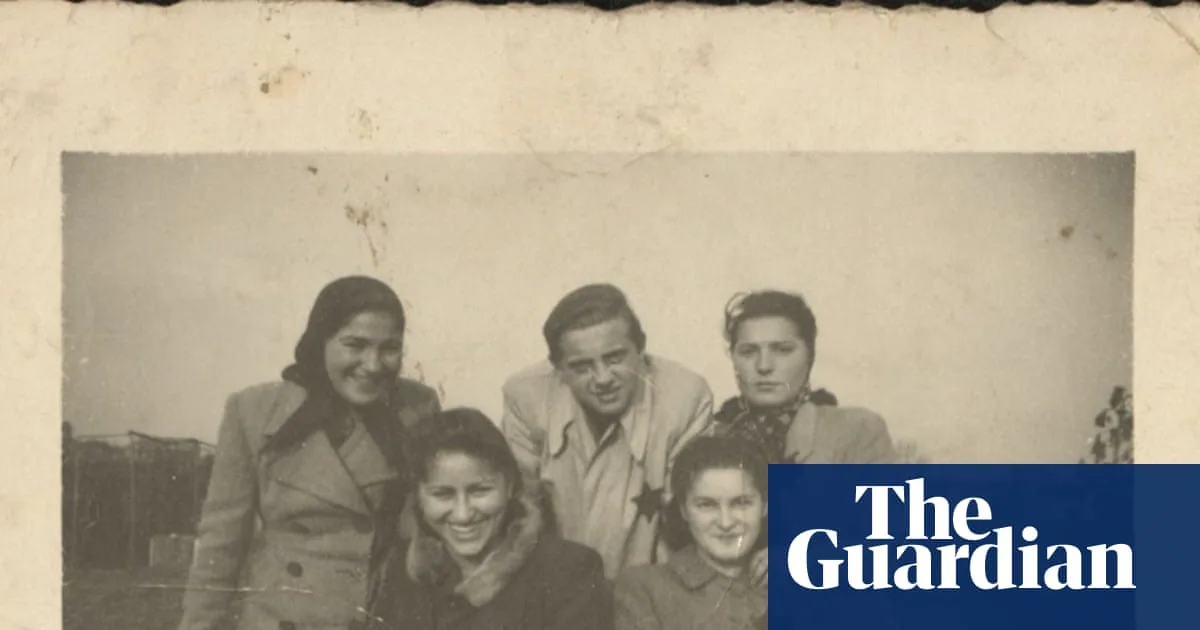
Fox discovered her mother had lied about her name, her true age, and a fundamental fact: she had not escaped to Palestine before the war. Instead, she spent the entire conflict in Poland. As a 14-year-old, she was taken from her hometown near the German border to the Gabersdorf forced labour camp after her birth mother was sent to Auschwitz.

Through global sleuthing, Fox tracked down scores of elderly women who had been imprisoned with her mother at Gabersdorf. Eighteen of their testimonies feature in the film, offering a chilling collective portrait. The girls endured back-breaking work, their labour used to finance the Nazi war machine. Fox also uncovered a secret journal kept by 60 of the inmates, which included eloquent, defiant entries written by her teenage mother.

The film confronts the complex and traumatic sexual dynamics within the camp. With stark honesty, the journal and testimonies reveal relationships between some Jewish girls and British prisoners of war, who used Red Cross provisions like chocolate as enticement. "Sexual bartering is a war crime," Fox notes, while acknowledging the confusing interplay of agency, survival, and adolescent desire in a dehumanising environment.

A Descent into Greater Horror

The situation deteriorated drastically in 1943 when SS guards took over. They instituted nude inspections to select women to be trafficked as sex slaves for soldiers on the eastern front; those taken were never seen again. Other girls were raped within the camp, a horror mirrored in the Nazi's so-called 'Joy Division' brothels. Fox reveals one girl was murdered for becoming pregnant from a rape.

Significantly, the Nazis kept no records of these sexual crimes, likely because relations between Jews and non-Jews constituted "racial defilement" under their laws. The violation did not end with liberation; Russian soldiers who freed the camp also raped the survivors.

A Life Reinvented in Shadow and Shame

After the war, Fox's mother made her way to Palestine, where she shed her past and joined the insurrectionist movement fighting the British. Though she saw herself as a freedom fighter, Fox concedes she could be viewed as a terrorist. Following Israel's creation, where Holocaust survivors were often stigmatised, she emigrated to the United States with an uncle's help, married in the 1950s, and built a new life in New York.

She spoke proudly of her time in the underground but maintained total silence about her years in Gabersdorf. Fox believes this was driven by profound, multi-layered shame: shame of camp survival, of potential sexual abuse, and of discovering she was a 'love child', which prompted her name change. "One of her biggest worries was to be seen as a figure of pity," Fox explains. "She never wanted to be seen as a victim of any kind."

Fox grappled with the ethics of exposing her mother's secrets but ultimately felt the need for truth. "Shame needs to change sides," she asserts. "The shame doesn't belong to the women. It belongs to the men who did this to them." My Underground Mother premieres at the New York Jewish Film Festival on 19 and 20 January, with a wider release to follow later this year.