When it comes to horror movies, sometimes the real-life chills are even scarier than what ends up on screen. From unexplained accidents to eerie coincidences and cast and crew members convinced of hauntings, these scary films became infamous for all the wrong reasons. Whether it’s cursed props, strange deaths, or supernatural occurrences that can’t quite be explained, Hollywood has no shortage of spooky behind-the-scenes tales.
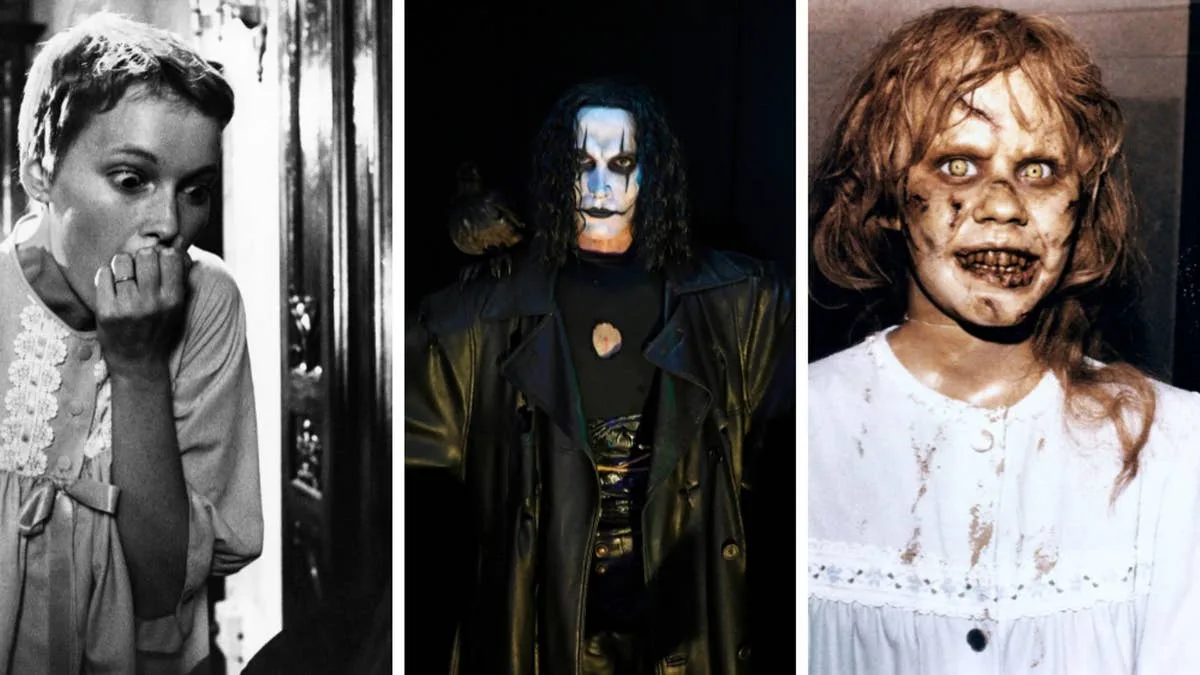
Few horror films have a creepier legacy than The Exorcist. During filming, mysterious fires broke out on set, delaying production, and several cast and crew members lost their lives before the movie was released. Actress Ellen Burstyn also suffered a permanent back injury after a stunt went wrong, an incident that was eerily captured on camera. To this day, many believe the film was cursed. Director William Friedkin admitted: “I'm not a convert to the occult… but after all I’ve seen on this film, I definitely believe in demonic possession… We were plagued by strange and sinister things from the beginning.”
Dubbed the “Poltergeist curse,” this movie's legacy is as chilling as its story. Two of the film's young stars, Dominique Dunne and Heather O’Rourke, died tragically within six years of its release. Fans and crew have long whispered that using real human skeletons as props brought bad luck to those involved. Actress JoBeth Williams said: “I thought that the skeletons were props… but I found out some years later that they were actually real skeletons, and I thought if I had known that I don't know if I could have gotten into that mess.”

The Omen was haunted by a string of terrifying coincidences. Star Gregory Peck’s plane was struck by lightning, as was that of the film's executive producer. Later, a special effects artist involved in the film suffered a freak car accident eerily similar to one of the movie’s death scenes. Even the crew joked, rather nervously, that they’d angered dark forces. Based on true paranormal investigations, The Conjuring sparked strange occurrences for its cast. Star Vera Farmiga said she found claw marks on her laptop screen after researching her role. Crew members also reported strange noises and unexplained drafts during filming. The real-life Perron family, whose haunting inspired the movie, even warned them not to shoot on location.
After Rosemary's Baby premiered, tragedy seemed to follow the people behind it. Director Roman Polanski's wife, Sharon Tate, was murdered by the Manson Family, and the film's composer fell into a coma and died after a tragic accident. Many saw it as a grim echo of the movie's dark themes. Even comedy-horror classic Ghostbusters wasn’t immune to spooky goings-on. During filming, cast and crew reported strange electrical issues and unexplained cold spots around the New York firehouse used as headquarters. Star Dan Aykroyd, a known believer in the paranormal, claimed the set’s energy felt “charged,” and some props mysteriously moved between takes.
The Crow turned tragic when star Brandon Lee was fatally shot on set by a prop gun that was improperly prepared. The eerie parallel to his father's mysterious death decades earlier cemented the film’s reputation as one of Hollywood’s most chilling “cursed” productions. Even a doll can bring dark energy. While filming Annabelle, crew members claimed lights flickered, objects moved on their own, and a workman was injured in a freak accident. Director John R. Leonetti also said a mysterious mark appeared on a set window, the same shape as the demonic symbol used in the film.