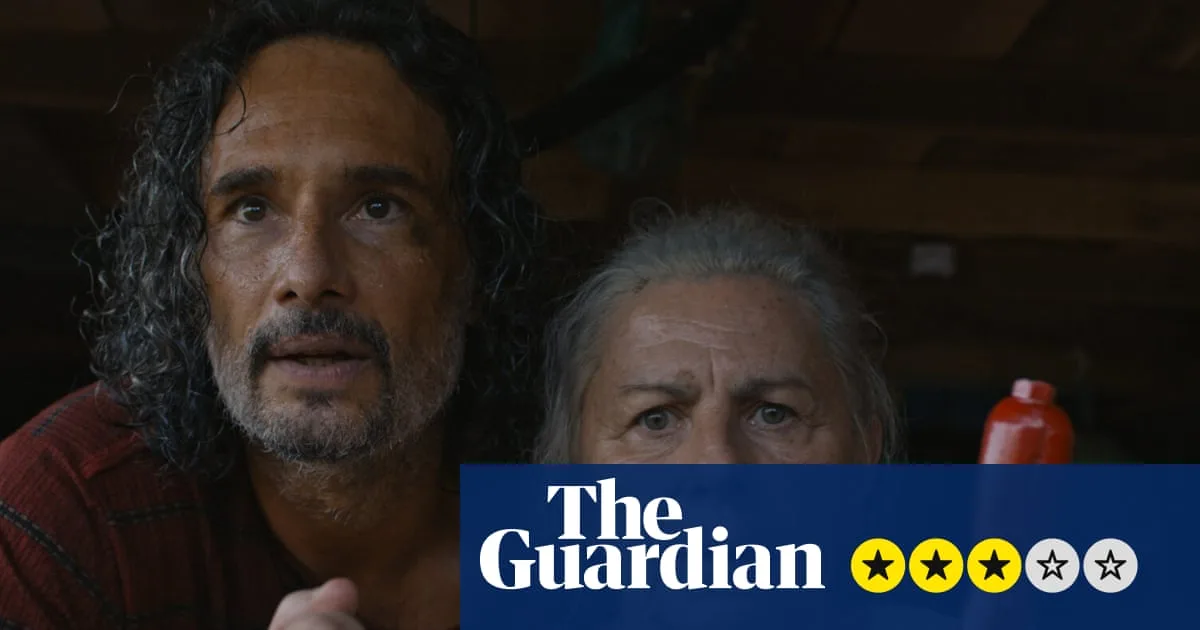
Gabriel Mascaro's latest feature, The Blue Trail, is a subversive blend of road movie and science fiction, set against the backdrop of the Amazon in Brazil's remote north-west. The film follows 77-year-old widow Tereza (Denise Weinberg) as she refuses to be forcibly relocated to a state-mandated 'colony' for the elderly, sparking a journey of escape and self-discovery.
The dystopian premise sees a future society that compels all citizens over 75 to leave their homes for low-cost gerontocidal warehousing, transported in a prison-like vehicle nicknamed the 'wrinkle wagon'. Tereza, who works skinning caimans in a factory, is told she must abandon her modest shack. But by faking a lavatorial accident with her compulsory adult diaper, she boldly escapes the coach.
Her flight takes her along the Amazon river with riverboat captain Cadu (Rodrigo Santoro), then to microlight pilot Ludemir (Adanilo), but her true saviour is Roberta (Miriam Socarras), a woman of similar age who pilots a rackety riverboat and sells digital bibles despite being an atheist. The two become friends, conspirators, and possibly lovers.

Throughout her journey, Tereza encounters the 'blue drool snail', whose watery secretions induce ecstatic visions when squeezed into the eyes. This hallucinogenic element adds a surreal layer to the narrative, which Mascaro shoots with fascinating visual compositions, occasionally evoking Fitzcarraldo or The African Queen.
The Blue Trail is a generic mashup, mixing the bittersweet tone of defiant elderly characters with something far more subversive and disquieting. While some ideas and characters remain undeveloped, the film's hypnotic meandering across land and water, and its transformation of its elderly heroine, make for a compelling watch.