Oscar Hudson's debut feature 'Straight Circle' opens with a clever split-screen prologue that immediately establishes its satirical tone. The film follows two enemy soldiers patrolling a militarised border from a shared outpost, with the narrative gradually shifting from broad political commentary to a more abstract, human story.
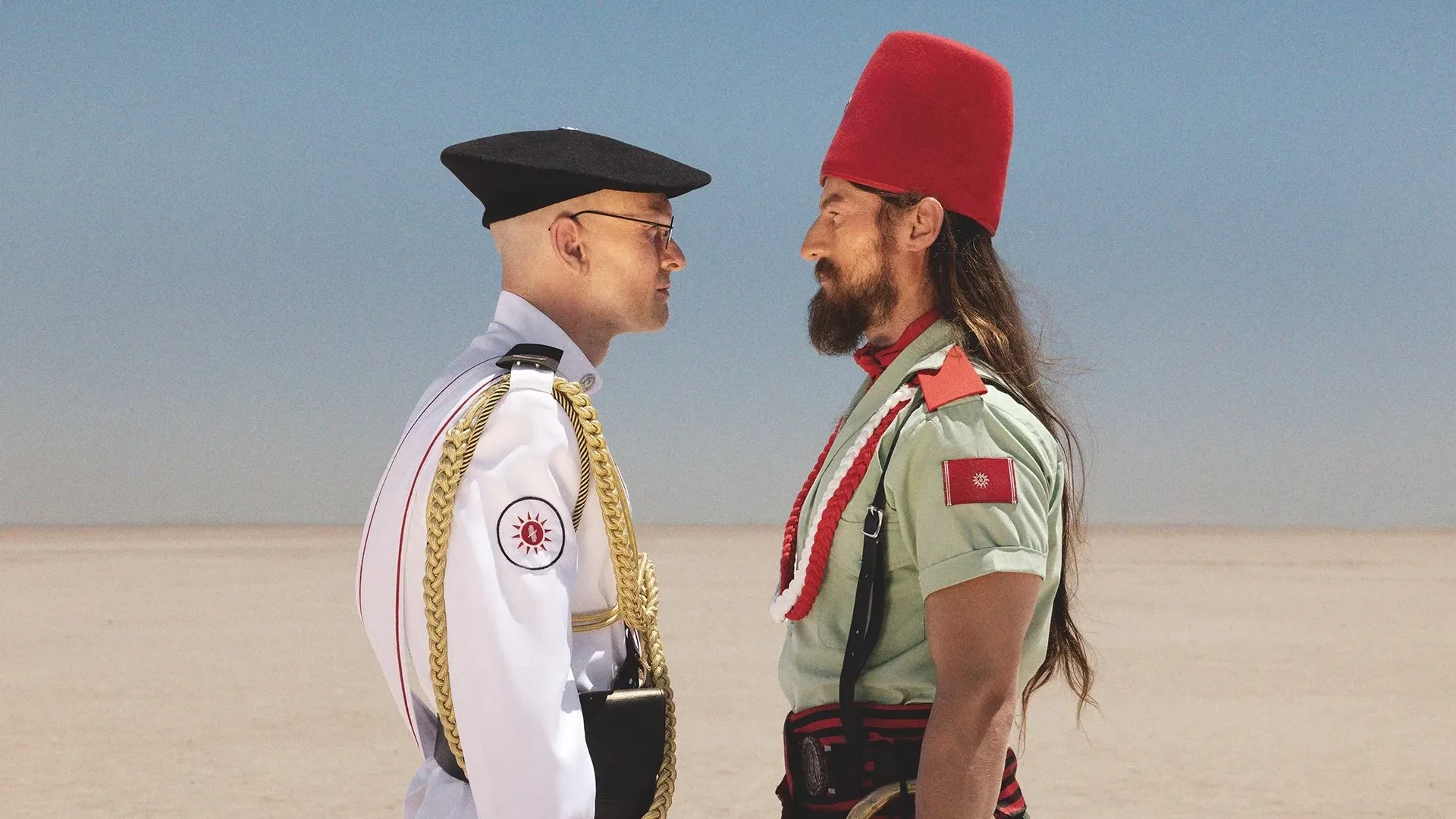
The casting of real-life twin brothers Elliott and Luke Tittensor—known for their roles in the 'Game of Thrones' spinoff 'House of the Dragon'—as the warring patrolmen adds an uncanny quality. One twin plays a jingoistic soldier in a white uniform and black beret, while the other portrays a reluctant reservist who prefers lounging and smoking. Their identical features blur the line between opposing sides, reinforcing the film's central theme of shared humanity.
Hudson's satire targets nationalism and geographical boundaries, but the fictional desert nations remain deliberately vague. This approach is a double-edged sword: while it allows for a universal message, it also risks appearing patronising, especially given the film's British production and its orientalist gaze. The story inevitably invites comparisons to real-world border disputes, including those involving British imperial history.

However, the film transcends its flaws when an incoming dust storm disorients both characters and viewers. As the physical and psychological lines between the soldiers blur, 'Straight Circle' becomes a touching, surreal study of personal trauma and connection. The sibling leads deliver emotionally charged performances, supported by Maxwell Sterling's rapturous score and Christopher Ripley's vivid cinematography.
Ultimately, the less realistic the film becomes in a geopolitical sense, the more human it feels. Hudson's sleight of hand transforms a potentially preachy satire into an absorbing, abstract drama that lingers long after the credits roll.